


Warming East Sea Sees Surge in Sharks, Prompting Beach Safety Measures in South Korea
Translated from Korean, summarized and contextualized by DistantNews.
At a glance
News
Sources not specified
Ongoing story
- Average sea surface temperatures in Korean waters have reached their highest in 26 years, with a significant increase observed in the East Sea.
- This warming trend is causing an influx of warm-water species, including a notable rise in the number of large sharks identified along the East Coast.
- Coastal municipalities are enhancing safety measures at beaches, installing protective nets and increasing surveillance to mitigate risks from jellyfish and sharks.
The waters off the Korean Peninsula are heating up, with significant implications for marine ecosystems and beach safety. The average sea surface temperature in the first half of 2026 reached 17.17 degrees Celsius, the highest in 26 years and notably warmer than previous years. This warming is particularly pronounced in the East Sea, where average surface temperatures in April-June were 1.9 degrees higher than last year.
This temperature rise is facilitating the northward migration of warm-water fish and marine life previously found in southern waters. Consequently, the presence of large sharks, which prey on these migrating species, has increased dramatically. In the first half of this year, 46 large sharks were sighted along the East Coast, a nearly fourfold increase from the 12 sighted during the same period last year. Species identified as potentially dangerous to humans, such as the shortfin mako shark and the blue shark, have been observed more frequently.
Due to the rise in water temperature along the East Coast, the distribution of fish like mackerel and bluefin tuna has expanded, leading to an increase in the appearance of large sharks that prey on them.
Jellyfish blooms are also appearing earlier and are more widespread than in previous years. The Noru-gami jellyfish, a large and venomous species, has been observed at high rates in the Jeju Sea and is spreading to other coastal areas. Experts attribute this early appearance to warmer water temperatures in spring, which accelerate the growth of plankton, the jellyfish's food source. The Ministry of Maritime Affairs and Fisheries has raised the jellyfish bloom crisis alert to 'Caution' due to these developments.
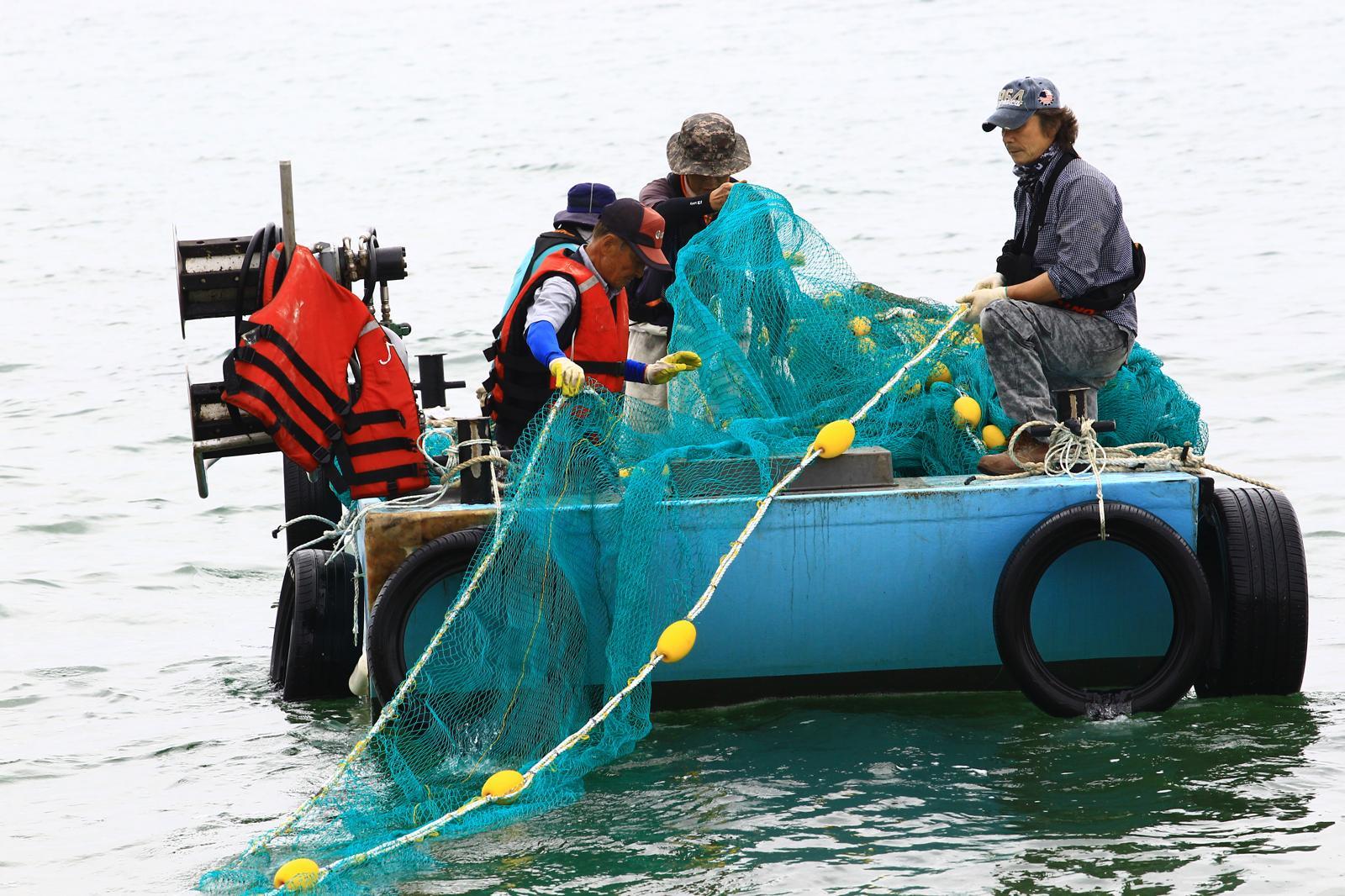
In response to these threats, local governments are bolstering safety measures at popular beaches. Municipalities along the East Coast are installing protective nets, some up to 600 meters long, to prevent jellyfish and sharks from entering swimming zones. Surveillance is being enhanced, and lifeguards are being deployed with improved equipment. Beachgoers are urged to exercise extreme caution, report sightings of marine life, and follow safety instructions, as the warming trend is expected to continue throughout the summer.
The early appearance of jellyfish is also not unrelated to the rise in water temperature. Water temperatures in March and April, when jellyfish larvae grow, were higher than in previous years, increasing the amount of plankton and speeding up growth.
DistantNews Editorial
Originally published by Dong-A Ilbo in Korean. Translated, summarized, and contextualized by our editorial team with added local perspective. Read our editorial standards.
More Stories


From Our Blog

What Gets Lost (and Found) When News Is Translated

The Critical Role of Diaspora Media in Global News

What Travellers Should Know About Countries with Restricted Press

A Digital Nomad's Guide to Following Local News

How the Same Story Looks Different in Different Countries
