

Warning of the Risk of 'No One Dares to Sign, No One Dares to Decide' When Implementing the Cultural Fund
Translated from Vietnamese, summarized and contextualized by DistantNews.
TLDR
- Vietnamese lawmakers are discussing the establishment of a "Cultural and Arts Fund" as part of a new resolution to develop Vietnamese culture.
- Concerns have been raised about the fund's proposed model, which involves public-private partnerships and venture capital, due to a lack of clear legal frameworks for such initiatives.
- Deputies worry that the "venture capital" aspect, which implies risk-taking, could lead to a situation where no one dares to sign off on decisions due to potential legal liabilities and the absence of liability exemptions.
The Vietnamese National Assembly's Committee for Culture and Social Affairs is currently deliberating on a groundbreaking resolution aimed at fostering the development of Vietnamese culture. A key proposal within this resolution is the establishment of a "Cultural and Arts Fund." While the political backing for such a fund exists in Resolution No. 80-NQ/TW, the proposed model—a public-private partnership akin to a venture capital fund—is raising significant concerns among lawmakers.
Trong Nhà nước hiện có 2 loại quỹ: quỹ sử dụng ngân sách, quỹ nhà nước sử dụng tiền ngoài ngân sách. Khi chúng ta định hình đây là quỹ hợp tác công - tư, có nghĩa là Nhà nước sẽ góp vốn cùng với cả tư nhân, thì chúng ta đã dự liệu đây sẽ là quỹ sử dụng ngân sách hay quỹ nhà nước ngoài ngân sách chưa?
The core issue lies in the novelty and complexity of this model within the existing legal landscape. Current Vietnamese law lacks comprehensive provisions for managing public-private partnerships and venture capital funds, especially when they involve state capital. The committee is urging the drafting body to conduct a thorough assessment of the organizational structure, governance mechanisms, capital mobilization strategies, the balance of state and private participation, and, crucially, the principles for risk and responsibility allocation among involved parties.
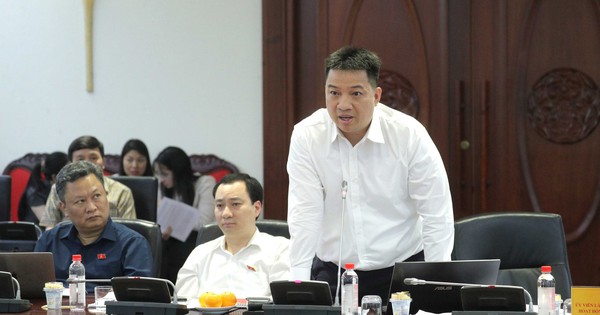
Deputy Hồ Đức Thắng articulated a primary concern: the "venture capital" nature of the fund, which inherently accepts risk, could paralyze implementation. Drawing parallels with funds established in the science and technology sector, he noted that introducing "venture capital" elements often creates significant hurdles for regulatory bodies. The critical question is whether this new fund will operate under the state budget or as an extra-budgetary fund. If it's extra-budgetary, beneficiaries might be limited to state-owned enterprises, which are bound by capital preservation rules. This creates a paradox: high-risk investment could lead to capital loss, yet without explicit legal exemptions for liability, officials may fear signing off on any decision, leading to a state of "no one dares to sign, no one dares to decide."
Nếu là quỹ nhà nước ngoài ngân sách thì mục chi của quỹ này không được trùng với quỹ sử dụng tiền ngân sách. Vậy thì nhiều khả năng đơn vị thụ hưởng không thể là đơn vị sự nghiệp công lập, mà là doanh nghiệp của Nhà nước. Nhưng doanh nghiệp nhà nước lại phải chịu quy định về bảo toàn phát triển vốn. Đã đầu tư rủi ro cao thì chắc chắn là phải có mạo hiểm, có khả năng mất vốn. Nếu dự thảo nghị quyết của chúng ta mới chỉ nói đây là quỹ đầu tư mà chưa có bất cứ một cơ chế miễn trừ trách nhiệm pháp lý nào thì khả năng là đến lúc triển khai quỹ chúng ta sẽ vướng, không ai dám ký, không ai dám quyết
Deputy Nguyễn Văn Cảnh suggested a more focused approach, advocating that the cultural and arts fund should not be overly broad. He emphasized the urgent need for resources to preserve traditional culture and support non-profit cultural endeavors. This sentiment reflects a broader national priority to safeguard cultural heritage while ensuring financial sustainability. The debate highlights the delicate balance Vietnam is trying to strike between innovative funding models and the need for robust legal frameworks to ensure accountability and effective utilization of resources in the cultural sector.
Chúng ta đang rất thiếu nguồn để bảo tồn văn hóa, mong muốn có nguồn để đảm bảo văn hóa truyền thống và không sinh lợi nhuận được tồn tại. Vì vậy quỹ
DistantNews Editorial
Originally published by Thanh Niên in Vietnamese. Translated, summarized, and contextualized by our editorial team with added local perspective. Read our editorial standards.
More Stories

From Our Blog

What Gets Lost (and Found) When News Is Translated

The Critical Role of Diaspora Media in Global News

What Travellers Should Know About Countries with Restricted Press

A Digital Nomad's Guide to Following Local News

How the Same Story Looks Different in Different Countries
