



Warsaw Hospital Scandal Fuels Public Anger Over Doctors and Elites
Translated from Polish, summarized and contextualized by DistantNews.
At a glance
News
Named sources
Context piece
- A scandal at Warsaw Southern Hospital (WSP) involving a former councilor, systemic healthcare issues, and high doctor earnings has sparked public outrage.
- A CBOS study suggests public anger towards doctors reflects broader resentment against elites, viewing them as beneficiaries of the healthcare system who exploit it at patients' expense.
- The findings indicate that public frustration stems from the state's perceived weakness in addressing perceived "doctor cunning" while being harsh on ordinary citizens.
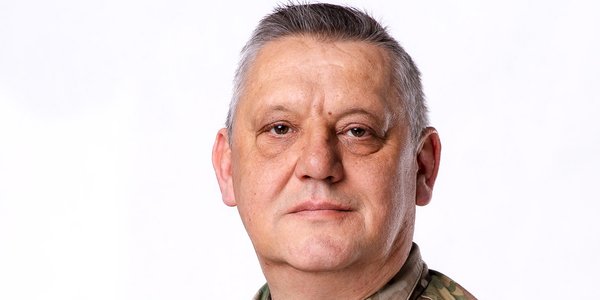
A scandal at Warsaw Southern Hospital (WSP) has ignited public fury, encompassing allegations against former councilor Dawid Kaczryka, systemic healthcare problems, exorbitant doctor salaries, and political accountability. The situation intensified following an interview by Dr. Emil Jędrzejewski, a former head of surgery at WSP, who detailed alleged irregularities.
Anger at doctors was caused by the feeling that they are unauthorized beneficiaries of the public health system and exploit it at the expense of patients.
Recent CBOS research, titled "Party of People Like Us," sheds light on the public's sentiment, suggesting that anger directed at doctors is deeply rooted in a perception of them as elites. The study, which involved focus groups in Ełk, Chełm, and Warsaw, indicates that abuses of power and scandals highlighting disparities between elites and ordinary citizens resonate strongly with the public.
The state remains weak and helpless against the cunning of doctors, while it can oppress ordinary people.
Participants expressed frustration that the state appears weak against perceived "doctor cunning" while being punitive towards ordinary people. One respondent from Ełk described a situation where a doctor allegedly worked excessive hours across multiple locations, yet was difficult to find. This sentiment reflects a broader societal issue where perceived unfair advantages and exploitation within the public healthcare system fuel public discontent.
I watched in Gliwice, I think, it came out, maybe one doctor, a woman doctor, worked 13 hours a day, 365 days a year. Poor woman, so overworked. Then they were looking for a surgeon. Fucking hell. He had shifts in four places at once, and I still couldn't find him.
DistantNews Editorial
Originally published by Rzeczpospolita in Polish. Translated, summarized, and contextualized by our editorial team with added local perspective. Read our editorial standards.
More Stories


From Our Blog

What Gets Lost (and Found) When News Is Translated

The Critical Role of Diaspora Media in Global News

What Travellers Should Know About Countries with Restricted Press

A Digital Nomad's Guide to Following Local News

How the Same Story Looks Different in Different Countries
