


Warsaw Office Market Sees Limited New Supply, Rents Poised to Rise
Translated from Polish, summarized and contextualized by DistantNews.
TLDR
- Warsaw's office market saw the delivery of two new buildings and one renovated property in the first quarter, adding 42,900 sqm of modern office space.
- Vacancy rates decreased by 1 percentage point year-on-year to 9.5%, with 597,100 sqm available, while leasing activity reached 133,800 sqm.
- Experts predict rising rents due to a significant slowdown in new supply in the coming months, with IT firms showing the highest demand.
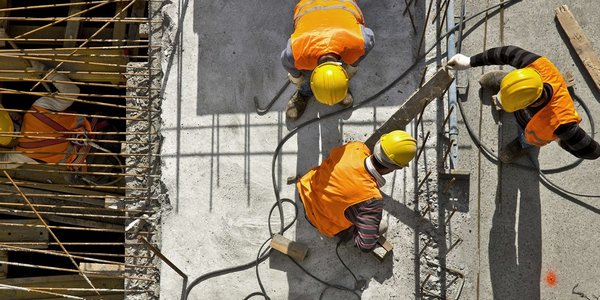
Warsaw's commercial real estate sector is experiencing a notable shift, as evidenced by the limited new office space delivered in the first quarter. While two new buildings and one renovation project added a modest 42,900 sqm, this supply is quickly being absorbed, pushing vacancy rates down to 9.5%. The demand, particularly from the IT sector which accounted for 20% of transactions, highlights the resilience of the office market despite ongoing discussions about hybrid work models.
Spośród ponad 200 transakcji zawartych w analizowanym okresie tylko jedna dotyczyła powierzchni biurowej większej niż 5 tys. mkw., lecz mniejszej niż 10 tys. mkw. Z jednej strony wskazuje to na utrzymującą się ostrożność najemców i dokładną analizę potrzeb, a z drugiej strony – na kurczącą się dostępność większych modułów, szczególnie w najbardziej atrakcyjnych lokalizacjach i biurowcach
However, the real story emerging from the data is the shrinking availability of larger office modules. This scarcity, especially in prime locations, is forcing tenants into quicker decision-making processes, creating a paradox where companies are still defining their long-term workspace needs amidst a rapidly tightening market. Experts from Newmark Polska and JLL point to this as a key challenge, suggesting that the current supply constraints will inevitably drive rental prices upward in the near future.
Choć w pierwszym kwartale na rynek trafiło ponad 40 tys. mkw. nowych i zmodernizowanych biur, był to jednak jedynie „krótkotrwały” zastrzyk. W kolejnych miesiącach rynek czeka niemal całkowite wyhamowanie nowej podaży, co będzie dalej napędzać wzrost czynszów
From a local perspective in Poland, this trend underscores the importance of strategic urban planning and investment in new commercial developments. The concentration of demand in central Warsaw and the IT sector's strong performance indicate a dynamic and evolving business landscape. While international coverage might focus on the broader economic implications, for Warsaw, it's about maintaining its attractiveness as a business hub and ensuring adequate, modern office infrastructure to support its growing economy and attract talent.
Problemem staje się jednak ograniczona dostępność nowoczesnych biur. Wyzwaniem dla najemców jest rozbieżność między tempem rynku a tempem decyzji wewnętrznych w firmach. To wyraźny paradoks: w momencie, gdy firmy wciąż nie zakończyły eksperymentów z polityką pracy hybrydowej i potrzebują więcej czasu na określenie rzeczywistego zapotrzebowania na powierzchnię biurową, rynek daje im coraz mniej czasu na podjęcie decyzji
DistantNews Editorial
Originally published by Rzeczpospolita in Polish. Translated, summarized, and contextualized by our editorial team with added local perspective. Read our editorial standards.
More Stories


From Our Blog

What Gets Lost (and Found) When News Is Translated

The Critical Role of Diaspora Media in Global News

What Travellers Should Know About Countries with Restricted Press

A Digital Nomad's Guide to Following Local News

How the Same Story Looks Different in Different Countries
