

Wartime Control Transfer: Growing Disagreement Between South Korea and US
Translated from Korean, summarized and contextualized by DistantNews.
At a glance
News
Named sources
Ongoing story
- South Korean President Lee Jae-myung strongly advocates for the transfer of wartime operational control (OPCON) of forces from the U.S. back to South Korea during his term.
- Defense Minister Ahn Kyu-baek indicated a proposal to set a target year for OPCON transfer by the end of the year.
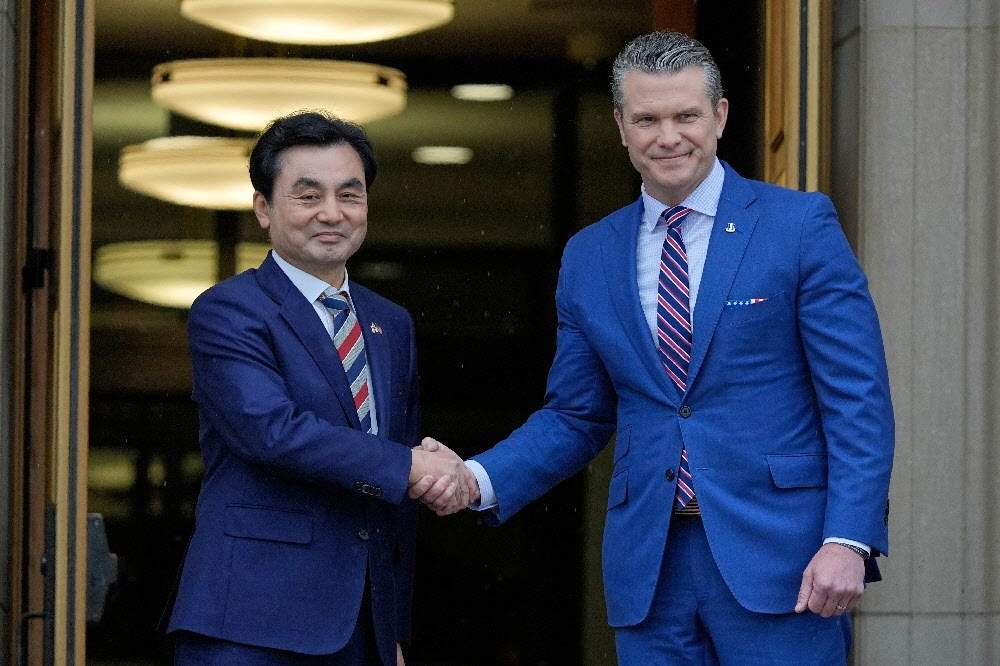
- However, the U.S. insists on meeting prerequisite conditions before any transfer, with U.S. Forces Korea Commander Gen. Paul LaCamera and Defense Secretary Pete Hegses expressing concerns about premature handover.
A growing divergence in views between South Korea and the United States over the transfer of wartime operational control (OPCON) of forces is raising concerns. South Korean President Lee Jae-myung has forcefully asserted his desire to reclaim OPCON during his term, questioning why the U.S. should retain control when South Korea funds its own defense.
Why should the U.S. hold wartime operational control when we are paying for our own defense?
"Why should the U.S. hold wartime operational control when we are paying for our own defense?" President Lee stated during a recent briefing on his G7 tour, emphasizing his commitment to achieving the transfer. This sentiment is echoed by Defense Minister Ahn Kyu-baek, who suggested that a target year for OPCON transfer could be proposed to both presidents by the end of the current year.
Political convenience should not precede conditions.
This coordinated messaging from South Korea's top leadership signals an acceleration of efforts to regain OPCON. However, the U.S. maintains a firm stance, prioritizing the fulfillment of necessary conditions before any handover. U.S. Forces Korea Commander Gen. Paul LaCamera has repeatedly warned against prioritizing political convenience over readiness, expressing anxieties about being pressured into an premature transfer.
I lose sleep over the possibility of being pushed to do something that is not yet sufficiently prepared.
U.S. Defense Secretary Pete Hegses has also weighed in, stressing the importance of respecting the operational plans and decades-long responsibilities of the U.S. military. The American position underscores a cautious approach, emphasizing that the transfer must occur only when South Korea's military capabilities are fully prepared to assume command, ensuring continued stability and security on the peninsula.
The U.S. military's operational plans and responsibilities spanning decades must be respected.
DistantNews Editorial
Originally published by Dong-A Ilbo in Korean. Translated, summarized, and contextualized by our editorial team with added local perspective. Read our editorial standards.
More Stories


From Our Blog

What Gets Lost (and Found) When News Is Translated

The Critical Role of Diaspora Media in Global News

What Travellers Should Know About Countries with Restricted Press

A Digital Nomad's Guide to Following Local News

How the Same Story Looks Different in Different Countries
