


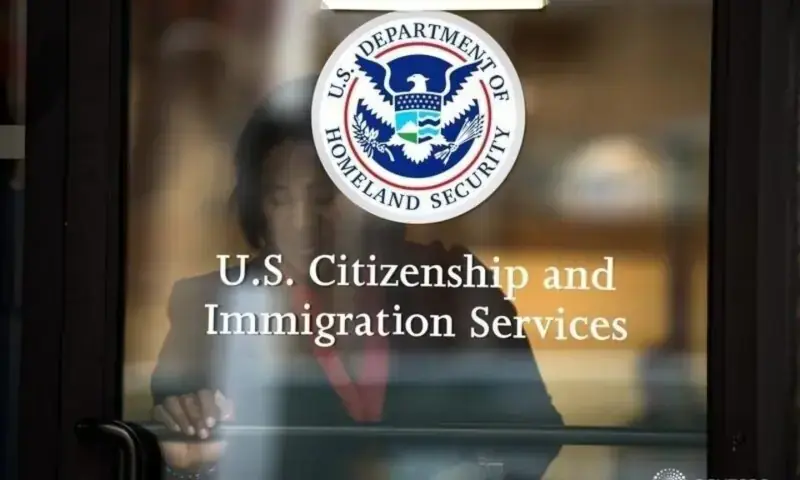
Washington tightens visa rules for foreign students
Summarized and contextualized by DistantNews.
At a glance
News
Named sources
New plan
- The U.S. Department of Homeland Security has implemented a new rule limiting foreign student visa stays to a maximum of four years, ending the "duration of status" system.
- Officials cite "abuse of the immigration system" as the reason, stating the change aims to ensure students focus on completing studies and returning home.
- The new regulations include fixed admission caps, mandatory federal extensions for longer programs, a reduced grace period for departure, and restrictions on changing programs.
The United States has tightened immigration rules for foreign students, replacing the long-standing "duration of status" system with a fixed four-year limit for most student visas. The Department of Homeland Security (DHS) announced the new regulation, which affects F, J, and I visa categories, arguing it is necessary to prevent "abuse of the immigration system."
Under the previous system, international students could remain in the U.S. as long as they maintained their academic standing. The new rule generally admits students for the duration of their program, capped at four years. Those requiring more time, particularly for doctoral or research programs, must now apply for extensions directly to U.S. Citizenship and Immigration Services (USCIS), subjecting them to federal oversight, biometric vetting, and background checks.
For decades, foreign students have been admitted into the US for an unspecified period, allowing thousands to abuse our immigration system by perpetually enrolling in courses to avoid having to leave the US.
DHS Secretary Markwayne Mullin stated the change ensures "foreign students remain focused on their primary purpose: completing their studies and returning home." The rule also reduces the post-graduation grace period for F-1 students from 60 days to 30 days, impacting their time to depart, transfer schools, or change their immigration status.
This shift is expected to significantly affect prospective students from countries like India and Pakistan, who annually seek higher education in the U.S. The move centralizes visa status oversight with federal authorities, moving away from the previous reliance on university officials.
Implementing clear, finite limits on these visas … ensures that foreign students remain focused on their primary purpose: completing their studies and returning home.
DistantNews Editorial
Originally published by Dawn. Summarized and contextualized by our editorial team with added local perspective. Read our editorial standards.
More Stories


From Our Blog

What Gets Lost (and Found) When News Is Translated

The Critical Role of Diaspora Media in Global News

What Travellers Should Know About Countries with Restricted Press

A Digital Nomad's Guide to Following Local News

How the Same Story Looks Different in Different Countries
