


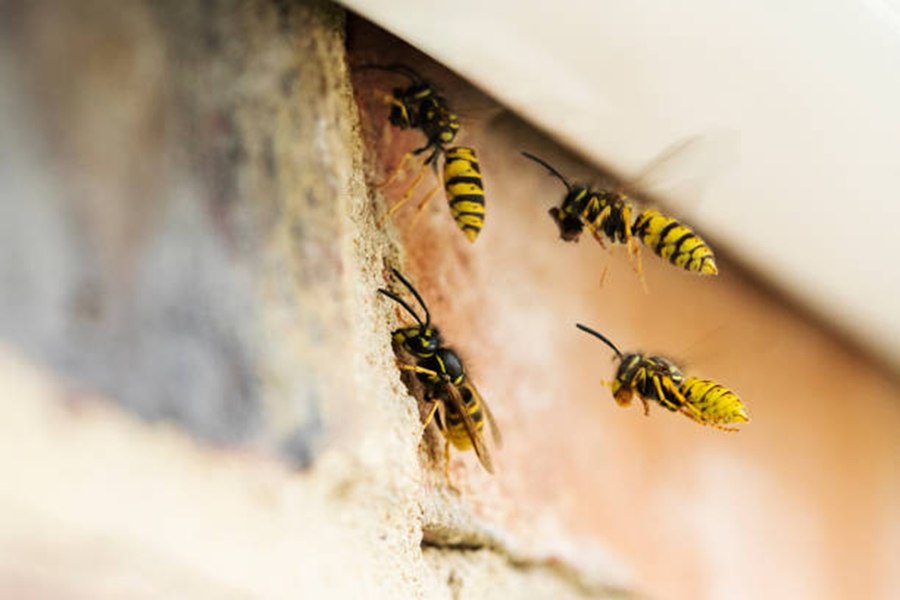
Wasp Invasion This Summer? What Attracts Them to Your Yard and How to Safely Get Rid of Them
Translated from Romanian, summarized and contextualized by DistantNews.
At a glance
News
Sources not specified
Context piece
- Wasps are attracted to yards and gardens during warmer months, posing a potential danger if they feel threatened.
- Key attractants include protein-rich foods, sweet fruits, bright colors, and sheltered locations suitable for nest building.
- To deter wasps, homeowners should remove fallen fruit, secure trash cans, and consider using essential oils or repellent plants.
As the weather warms, gardens and yards become popular outdoor spaces, but they also attract wasps. These insects can become aggressive when they feel threatened, making their presence near homes a concern. Experts note that while wasps play a role in pollination and pest control, their proximity to human dwellings can be hazardous.
Wasps are primarily drawn to yards by food sources and suitable nesting sites. Early in the season, they seek out protein-rich foods like meat and cold cuts, with barbecue scraps and open trash bins being prime targets. As summer progresses, their diet shifts towards sweet, ripe fruits and other sugary substances. Bright, light colors, particularly yellow and white, can also attract their attention, as these hues mimic nectar-rich flowers. Sweet floral or fruity scents from plants, perfumes, or cosmetics can further draw them in.
Beyond food and scent, wasps look for sheltered locations to build their nests. Areas like eaves, garden furniture, utility boxes, and other protected nooks are ideal. Water sources such as ponds, decorative fountains, and bird baths are also essential for their survival and for cooling their nests. Additionally, wasps utilize wood fibers for nest construction, making untreated wood piles, old decks, or logs attractive resources. They may also be drawn to gardens with pest infestations, as they prey on insects like aphids to feed their larvae.
To minimize the risk of wasp infestations, it is advisable to promptly collect fallen fruit, tightly seal trash and compost bins, and avoid leaving food scraps outdoors. Natural repellents like mint, lavender, clove, or geranium essential oils can be effective. Planting mint or eucalyptus in the garden may also help deter these insects. If a nest is discovered, intervention is best attempted at night when wasps are less active. For large nests, difficult-to-access locations, or if you have insect sting allergies, contacting a professional pest control service is the safest course of action.
DistantNews Editorial
Originally published by Adevărul in Romanian. Translated, summarized, and contextualized by our editorial team with added local perspective. Read our editorial standards.
More Stories



From Our Blog

What Gets Lost (and Found) When News Is Translated

The Critical Role of Diaspora Media in Global News

What Travellers Should Know About Countries with Restricted Press

A Digital Nomad's Guide to Following Local News

How the Same Story Looks Different in Different Countries
