

Water Extraction Banned in Stuttgart Amid Heatwave, Fines Up to 100,000 Euros
Translated from German, summarized and contextualized by DistantNews.
At a glance
News
Official statement
New plan
- Stuttgart has banned water extraction from streams, lakes, and rivers due to heat, drought, and low water levels.
- The ban, effective from Saturday until August 31, prohibits all water use for private purposes.
- Violators face fines of up to 100,000 euros, as even small extractions significantly impact waterways.
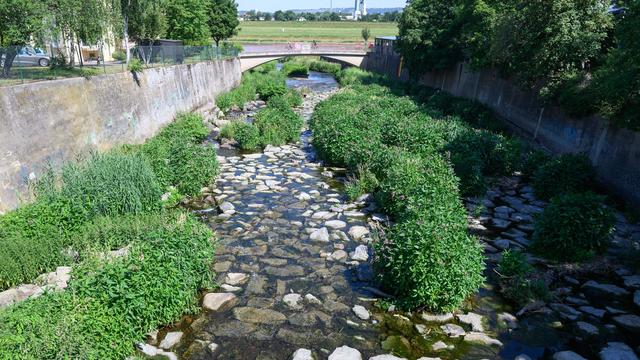
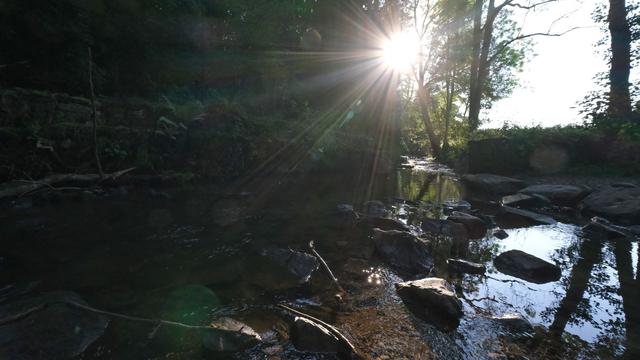
Stuttgart is implementing a strict ban on water extraction from its streams, lakes, and rivers. The measure, driven by persistent heat, drought conditions, and critically low water levels, aims to conserve the city's precious water resources. The prohibition officially begins on Saturday and is slated to last through August 31, with the possibility of extension should dry weather continue.
The ban encompasses all water withdrawals under the scope of public use. This means residents are forbidden from drawing or pumping water for any private needs. The city emphasized that even the smallest extractions can have considerable negative effects on the health of local streams, according to Andreas Neft, head of the environmental protection office.
Enforcement of the ban will be stringent, with penalties for non-compliance including fines that could reach up to 100,000 euros. Stuttgart's waterways include notable bodies of water such as the Neckar River, the Max-Eyth-See, and various park lakes. The city reports a network of approximately 170 kilometers of streams and over 65 hectares of lakes within its jurisdiction.
Even the smallest water extractions have considerable impacts on the streams.
DistantNews Editorial
Originally published by Die Zeit in German. Translated, summarized, and contextualized by our editorial team with added local perspective. Read our editorial standards.
More Stories

From Our Blog

What Gets Lost (and Found) When News Is Translated

How the Same Story Looks Different in Different Countries

The Critical Role of Diaspora Media in Global News

What Travellers Should Know About Countries with Restricted Press

A Digital Nomad's Guide to Following Local News
