

Water shortage: Hungary to shut down sole nuclear plant, Romania declares state of emergency
Translated from German, summarized and contextualized by DistantNews.
At a glance
News
Named sources
Ongoing story
- Hungary plans to shut down its sole nuclear power plant, Paks, due to historically low water levels in the Danube River.
- Romania has declared a nationwide state of emergency for August and is taking measures to secure its nuclear plant's operation.
- Both countries are facing potential energy crises as record heat and drought impact river levels crucial for cooling nuclear reactors.
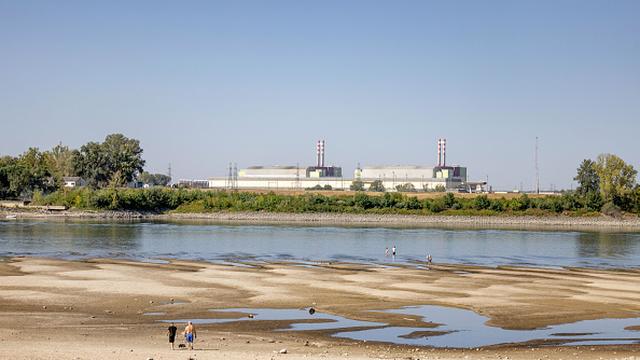
Hungary is preparing to shut down its only nuclear power plant, Paks, for the first time since its 1982 commissioning. The unprecedented move comes as historically low water levels in the Danube River threaten the plant's cooling systems. Prime Minister Péter Magyar announced that the shutdown could occur as early as Tuesday or Wednesday, as the plant's four Soviet-era reactors rely on Danube water for cooling.
After current calculations, this could happen on Tuesday or Wednesday.
The Paks plant supplies approximately 40 percent of Hungary's annual electricity needs. To mitigate a potential energy crisis, Magyar urged industries to reduce consumption and announced that public building lighting would be switched off. The nation is experiencing a severe heatwave, with temperatures expected to reach up to 41 degrees Celsius in the coming days, exacerbating the low river levels caused by a lack of rain.
The operator had described a shutdown as 'unavoidable.'
Neighboring Romania is also grappling with the consequences of the drought. It has declared a nationwide state of emergency for August and is implementing measures to ensure its energy supply. One reactor at the Cernavodă nuclear plant has already been shut down, and the government is diverting water from a canal to secure the operation of the second reactor. This plant typically provides about one-fifth of Romania's electricity. The Danube's water flow has drastically decreased, nearing historic lows not seen since 1985, prompting Romania to discuss electricity imports with neighboring countries.
The government approved funds to divert water from a canal to secure the operation of the second reactor.
DistantNews Editorial
Originally published by Die Zeit in German. Translated, summarized, and contextualized by our editorial team with added local perspective. Read our editorial standards.
More Stories


From Our Blog

What Gets Lost (and Found) When News Is Translated

How the Same Story Looks Different in Different Countries

The Critical Role of Diaspora Media in Global News

What Travellers Should Know About Countries with Restricted Press

A Digital Nomad's Guide to Following Local News
