

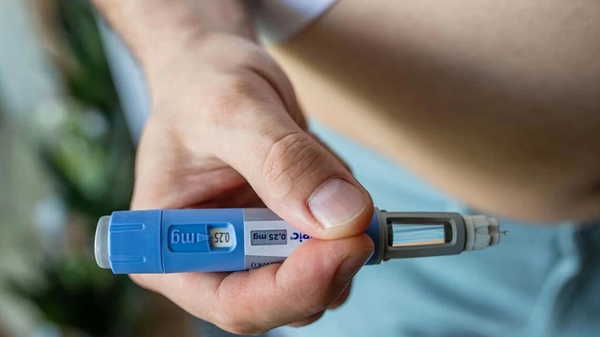

Weight loss drug users warned of 3 deadly mistakes
Translated from Turkish, summarized and contextualized by DistantNews.
At a glance
News
Sources not specified
Context piece
- GLP-1 based drugs, initially for type 2 diabetes, are now widely used for weight loss but can cause serious health crises if misused.
- Experts warn against increasing dosages without medical supervision, emphasizing that rapid weight loss beyond 1-2 pounds per week can lead to metabolic breakdown.
- Users are cautioned against relying solely on portion control while consuming unhealthy foods, as this can lead to severe gastrointestinal issues and treatment failure.
GLP-1 based medications, initially developed to manage type 2 diabetes, have surged in popularity as a weight-loss solution globally. However, experts are sounding the alarm about potentially life-threatening mistakes made by individuals using these drugs, particularly concerning dosage and dietary habits.
One of the most common errors highlighted by specialists is the temptation to increase drug dosages independently to accelerate weight loss. Dr. Spencer Nadolsky stresses that exceeding recommended doses without medical guidance can trigger metabolic distress. He advocates for a safe weight loss rate of 0.5% to 1% of total body weight per week, advising patients to resist pressure from healthcare providers to increase doses if they are already experiencing positive results and no side effects at their current dosage.
Exceeding the safe limits for weight loss is completely wrong, especially if a patient is losing an average of 1 to 2 kilos per week at their current dose and experiencing no side effects. Even if a doctor pressures you to do so, you should resist this decision to protect your health.
Another critical pitfall involves users mistakenly believing that the drugs' appetite-suppressing effects allow them to maintain poor dietary choices, simply by reducing portion sizes. Dr. Nadolsky explains that this approach is fundamentally flawed. Consuming high-fat, processed foods, even in smaller quantities, can lead to severe gastrointestinal crises when combined with the medication's effects, potentially causing patients to abandon treatment altogether. Experts emphasize that successful weight management requires a diet rich in fresh fruits, vegetables, and whole, unprocessed foods.
The third significant danger identified is the pursuit of zero appetite, leading to drastic dose increases. This can result in the body being deprived of essential micro- and macronutrients, potentially causing muscle loss and organ failure. The primary goal of these medications, experts reiterate, should be to achieve a healthy and sustainable calorie intake, not to eliminate hunger entirely. A gradual, steady approach to weight loss, respecting the body's biological rhythms, is crucial for long-term health and well-being.
You can't manage this process by eating one slice of pizza instead of five slices. These drugs naturally increase stomach sensitivity and nausea in the early stages of treatment. Continuing to consume high-fat, processed foods, combined with the drug's chemical structure, can lead to severe gastrointestinal crises and push the patient to abandon the treatment entirely.
DistantNews Editorial
Originally published by Cumhuriyet in Turkish. Translated, summarized, and contextualized by our editorial team with added local perspective. Read our editorial standards.
More Stories


From Our Blog

What Gets Lost (and Found) When News Is Translated

The Critical Role of Diaspora Media in Global News

What Travellers Should Know About Countries with Restricted Press

A Digital Nomad's Guide to Following Local News

How the Same Story Looks Different in Different Countries
