


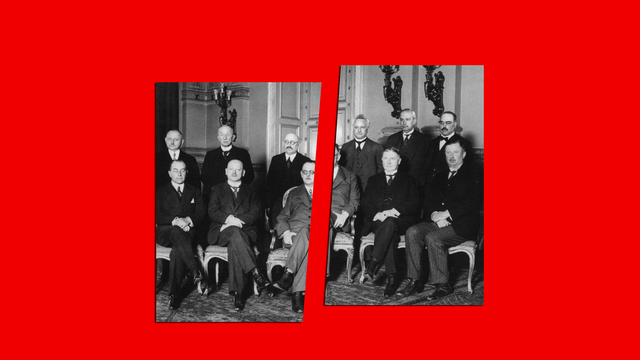
Weimar Republic: How the Grand Coalition Collapsed
Translated from German, summarized and contextualized by DistantNews.
At a glance
Analysis
Sources not specified
Context piece
- Germany's Weimar Republic ceased to be a parliamentary democracy on March 27, 1930.
- The collapse of the grand coalition government under Chancellor Hermann Müller marked this shift.
- The article explores the reasons behind this political breakdown and its lasting lessons.
The Weimar Republic in Germany transitioned away from parliamentary democracy on March 27, 1930. This pivotal moment occurred with the collapse of the grand coalition government led by Chancellor Hermann Müller, a Social Democrat. The failure of this broad political alliance signaled a significant shift in Germany's governance structure.
The breakdown was precipitated by deep disagreements within the coalition, particularly concerning economic policy and the handling of the growing unemployment crisis exacerbated by the Great Depression. The coalition partners could not agree on measures to address the budget deficit and social welfare spending, leading to irreconcilable differences.
Following the coalition's collapse, President Paul von Hindenburg appointed Heinrich Brüning as chancellor. Brüning governed largely by presidential decree, bypassing the Reichstag (parliament). This move effectively ended the era of parliamentary rule and ushered in a period of authoritarian governance, relying on emergency powers granted by Article 48 of the Weimar Constitution.
The events of March 1930 are often seen as a critical step towards the eventual demise of the Weimar Republic and the rise of Nazism. The inability of democratic parties to form stable governments and effectively address the nation's pressing economic and social problems eroded public faith in the democratic system. The article delves into the specific dynamics of this period, offering insights into the fragility of democratic institutions and the consequences of political fragmentation and failed leadership, lessons that remain relevant today.
DistantNews Editorial
Originally published by Die Zeit in German. Translated, summarized, and contextualized by our editorial team with added local perspective. Read our editorial standards.
More Stories


From Our Blog

What Gets Lost (and Found) When News Is Translated

How the Same Story Looks Different in Different Countries

The Critical Role of Diaspora Media in Global News

What Travellers Should Know About Countries with Restricted Press

A Digital Nomad's Guide to Following Local News
