


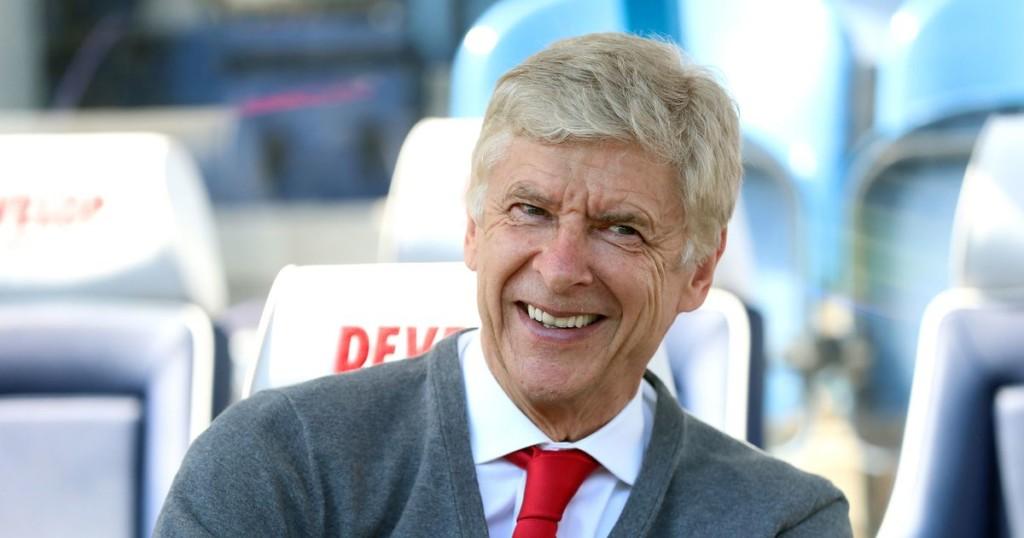
Wenger admits World Cup hydration breaks split opinion
Summarized and contextualized by DistantNews.
At a glance
News
Named sources
Context piece
- FIFA's head of global football development, Arsene Wenger, acknowledged that hydration breaks at the World Cup divided opinion.
- Wenger stated FIFA will assess the impact of these breaks after the tournament to decide on future implementation.
- He also defended the expansion of the World Cup to 48 teams, calling it a success and ethically necessary.
Arsene Wenger, FIFA's head of global football development, has acknowledged that the hydration breaks introduced during the recent World Cup were met with mixed reactions. He stated that FIFA will analyze the impact of these breaks after the tournament to determine their future use.
Sometimes people didn’t like it and we have to analyse after the World Cup what the impact was.
"Sometimes people didn’t like it and we have to analyse after the World Cup what the impact was," Wenger told a briefing on the eve of the World Cup final. FIFA implemented three-minute hydration breaks midway through each half, regardless of weather conditions, citing player welfare as the primary motivation. However, critics suggested it was also a way to generate additional advertising revenue.
Wenger noted that the breaks did not appear to significantly alter match outcomes but emphasized FIFA's commitment to serving football fans. "In many games, especially when the stadium was covered, people were not happy with it but at the start of the competition it was decided to do it for everybody," he added.
It didn’t look to me that it changed the results, but we are here to serve people that watch football and we will come to conclusions afterwards.
Spain coach Luis de la Fuente had previously defended the breaks, highlighting their importance for player welfare in hot conditions. "It is difficult to sustain that level of physical exertion for long periods and I believe those breaks offer a brief respite to recharge and continue competing well," he said.
In many games, especially when the stadium was covered, people were not happy with it but at the start of the competition it was decided to do it for everybody.
Separately, Wenger defended the World Cup's expansion to 48 teams, calling it a success. "It was questioned before it started but we found it was ethically needed to give a chance to more teams. I am convinced it was the right decision and it was a great success," he asserted.
It is difficult to sustain that level of physical exertion for long periods and I believe those breaks offer a brief respite to recharge and continue competing well.
DistantNews Editorial
Originally published by Vanguard. Summarized and contextualized by our editorial team with added local perspective. Read our editorial standards.
More Stories



From Our Blog

How the Same Story Looks Different in Different Countries

What Gets Lost (and Found) When News Is Translated

The Critical Role of Diaspora Media in Global News

What Travellers Should Know About Countries with Restricted Press

A Digital Nomad's Guide to Following Local News
