


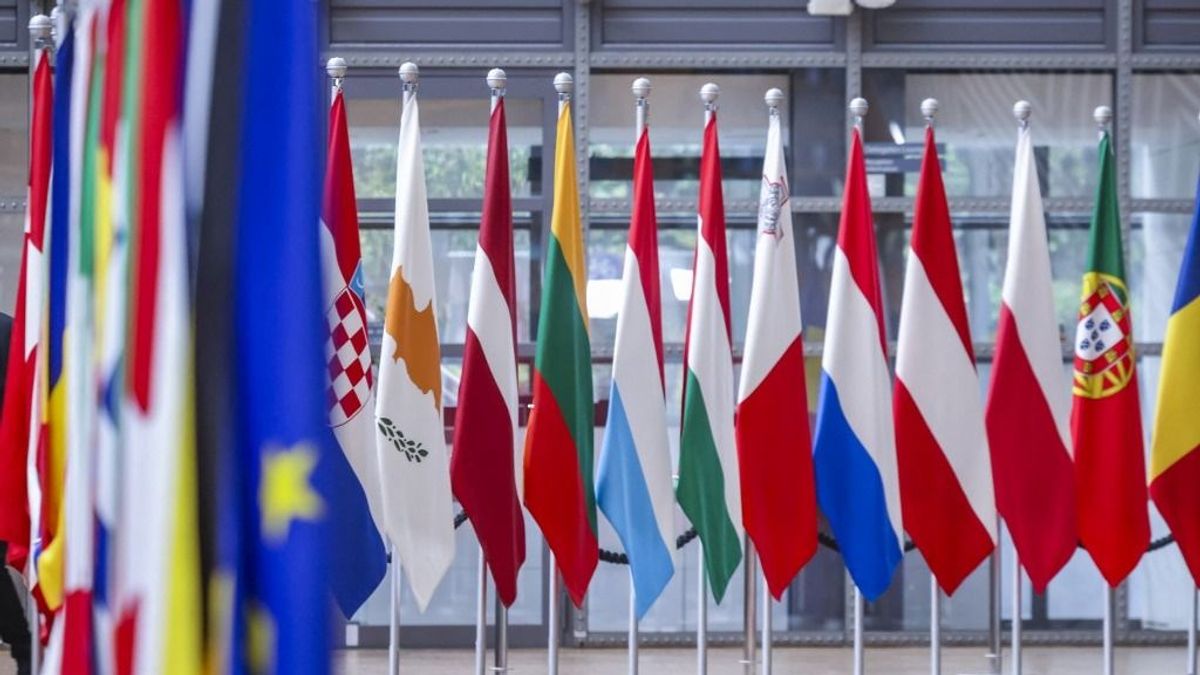
Western Balkans Summit in Montenegro: EU Reaffirms Importance of Enlargement
Translated from Hungarian, summarized and contextualized by DistantNews.
At a glance
News
Named sources
Context piece
- EU leaders are emphasizing the importance of enlargement, viewing it as a strategic interest to counter Russian and Chinese influence in the Western Balkans.
- Montenegro is the most advanced candidate for membership, aiming for accession by 2028, while Serbia's EU prospects appear uncertain due to conflicts with Brussels and its stance on sanctions against Russia.
- The EU is also taking practical steps like eliminating mobile roaming charges and integrating Balkan states into the single payment system to foster closer economic ties.
European Union leaders are reinforcing their commitment to the Western Balkans, framing EU enlargement not just as a political goal but as a crucial strategic interest. This push is particularly driven by the growing influence of Russia and China in the region, according to European Council President António Costa.
Costa stated in Sarajevo that the EU's dedication to the Western Balkans is "real," as is the possibility of expansion. He believes that enlargement will bolster peace, stability, and security across the continent. The EU aims to integrate these states more closely into its single market, paving the way for eventual membership.
Among the Western Balkan nations, Montenegro is considered the frontrunner, with aspirations to join the EU by 2028. However, discussions are underway in Brussels about potentially granting new member states limited veto power in their initial years to prevent past political blockades. Albania is also seen as a strong candidate, though some member states still voice concerns about its efforts to combat organized crime.
Serbia's path toward the EU appears more complicated. According to reports, Serbian President Aleksandar Vučić's government has clashed with Brussels multiple times and has not joined EU sanctions against Russia, casting doubt on its accession prospects. Progress for North Macedonia, Bosnia-Herzegovina, and Kosovo is hindered by internal political tensions and long-standing disputes.
Meanwhile, Ukraine and Moldova are set to begin negotiations on the first chapters of EU law this month, focusing on the rule of law and democratic standards. To avoid overshadowing the Western Balkans, the EU is also implementing practical measures. Mobile roaming charges are expected to be abolished for citizens of EU and Western Balkan countries, allowing for seamless communication. Additionally, several Balkan states have joined a unified European payment system to simplify cross-border electronic transactions. These steps are designed to gradually embed the region into the EU's economic space, offering tangible benefits even before full membership.
the EU's commitment to the Western Balkans is real, and equally real is the possibility of EU enlargement.
DistantNews Editorial
Originally published by Magyar Nemzet in Hungarian. Translated, summarized, and contextualized by our editorial team with added local perspective. Read our editorial standards.
More Stories

From Our Blog

Countries Without a Free Press: What You Need to Know

What Press Freedom Means for the News You Read

What Gets Lost (and Found) When News Is Translated

The Critical Role of Diaspora Media in Global News

What Travellers Should Know About Countries with Restricted Press
