


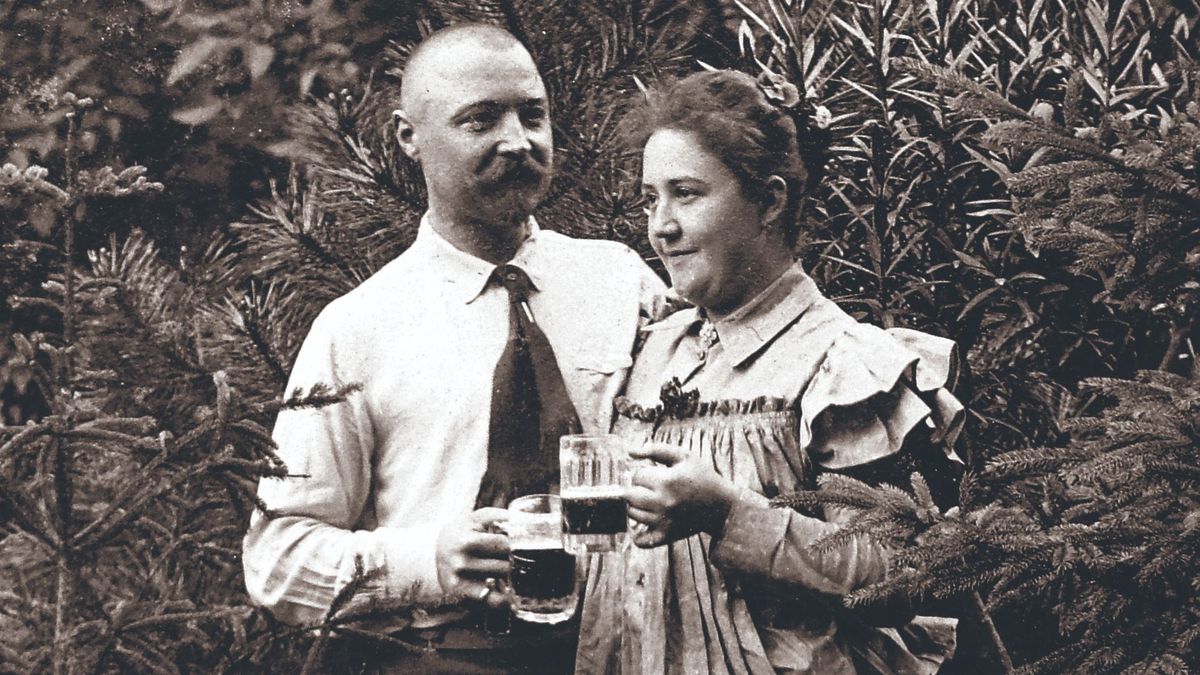
What a pint of beer can tell us about Hungary's history
Translated from Hungarian, summarized and contextualized by DistantNews.
At a glance
In-depth
Sources not specified
Context piece
- Beer has a long history in Hungary, appearing in historical memoirs and everyday life.
- The traditional brewing process involved malting grain, boiling, adding hops, fermentation, and aging.
- Large breweries emerged in the 19th century, with figures like Péter Schmidt and Antal Dreher playing key roles in developing the industry in areas like Kőbánya.
Beer has been a natural part of Hungarian daily life for centuries, appearing in historical accounts and memoirs. Figures like Miklós Bethlen, a Transylvanian nobleman, noted drinking beer on his doctor's advice, while Péter Apor recorded that 17th-century Transylvanian noblewomen also consumed it in moderation. Mikes Kelemen mentioned drinking beer in Zágon in his letters from Rodosto, and compared a thick grape juice called 'peszmeg' to Hungarian honey beer.
The traditional Hungarian term for brewing was 'sernevelés.' This process began with germinating grain to create malt, which was then dried and ground. The next steps included boiling, adding hops, cooling, fermentation, and finally, aging. Before the advent of large factories, brewing was carried out in aristocratic courts, such as those of the Pálffy, Thurzó, Balassa, and Nádasdy families, as well as in the estates of various church dignitaries. As towns grew, more professional brewers settled in Hungary.
Cities like Selmecbánya, Körmöcbánya, Besztercebánya, Pozsony, Kassa, Sopron, and Bártfa were all renowned for their beer. Bártfa's reputation was particularly strong, supplying barrels for King Matthias Corvinus's wedding to Beatrice. Towns carefully regulated the quality and price of beer sold in taverns, with penalties for poor quality or watered-down drinks. Beyond official establishments, families brewed their own beer for centuries. The most common variety was 'szaladsör,' named after the Slavic word 'slad' for malt. Families in Székelyföld continued to brew this beer, made from germinated wheat, barley, or oats dried and ground, then mixed with hot water and fermented with sourdough, until the 1940s.
New brewing techniques and increasingly strict regulations gradually led to the development of larger operations. The brewery of Ferenc Rákóczi II in Felső-Várallya is often considered one of the first larger, factory-style Hungarian breweries. By the 19th century, large-scale plants replaced the guilds. Péter Schmidt recognized the potential of Kőbánya's unique cellar system for beer aging, as the constant temperature provided natural cooling. Antal Dreher later acquired this business, marking the beginning of a significant chapter in Hungarian beer production. The Gschwindt family was also innovative, operating a distillery, yeast, liqueur, and rum factory in Józsefváros.
DistantNews Editorial
Originally published by Magyar Nemzet in Hungarian. Translated, summarized, and contextualized by our editorial team with added local perspective. Read our editorial standards.
More Stories


From Our Blog

Countries Without a Free Press: What You Need to Know

What Press Freedom Means for the News You Read

What Gets Lost (and Found) When News Is Translated

The Critical Role of Diaspora Media in Global News

What Travellers Should Know About Countries with Restricted Press
