


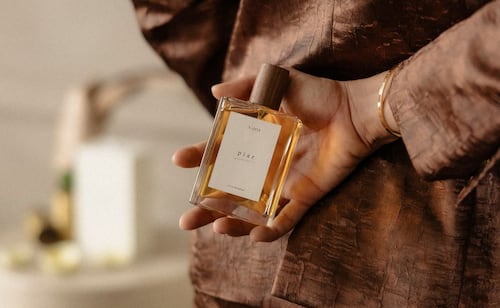
What are niche perfumes and which are the current favorites?
Translated from Spanish, summarized and contextualized by DistantNews.
At a glance
In-depth
Named sources
Context piece
- Niche perfumes are gaining popularity as consumers seek distinct scents and emotional connections.
- These fragrances, often from independent brands, emphasize artistic vision and quality over mass marketing.
- Niche perfumers use unconventional ingredients and creative freedom to craft unique olfactory experiences.
The fragrance market is witnessing a significant rise in niche perfumes, appealing to consumers who desire scents with a more pronounced identity and a deeper emotional resonance. While traditional fashion houses still hold sway, independent niche brands are increasingly competing with major firms by building unique narratives and fostering direct connections with their clientele.
Linda Levy, president of The Fragrance Foundation, notes the exponential growth of these brands. Niche perfumery is characterized by a conscious departure from mass-market practices. Instead, it focuses on the core of creation: the fragrance itself and the quality of the final product. The perfumer's artistic vision takes center stage, with distribution often limited to specialized boutiques rather than large department stores.
Unlike commercial perfumes, which frequently stem from market strategies, niche creations often originate from an idea, emotion, or concept the perfumer aims to convey. This creative freedom allows for the use of less conventional accords and materials, resulting in combinations that challenge olfactory perceptions and evoke specific emotions or express a distinct point of view.
Key distinctions also lie in the brands' origins and development processes. While major labels like Chanel or Dior offer fragrances as part of a broader luxury portfolio, niche houses dedicate themselves primarily, and sometimes exclusively, to perfume creation. Designer perfumes often rely on market research and extensive advertising, whereas niche brands have the liberty to experiment with ingredients and concepts, leading to more personal and sometimes daring aromas.
DistantNews Editorial
Originally published by El Universal in Spanish. Translated, summarized, and contextualized by our editorial team with added local perspective. Read our editorial standards.
More Stories



From Our Blog

What Press Freedom Means for the News You Read

What Gets Lost (and Found) When News Is Translated

The Critical Role of Diaspora Media in Global News

What Travellers Should Know About Countries with Restricted Press

A Digital Nomad's Guide to Following Local News
