


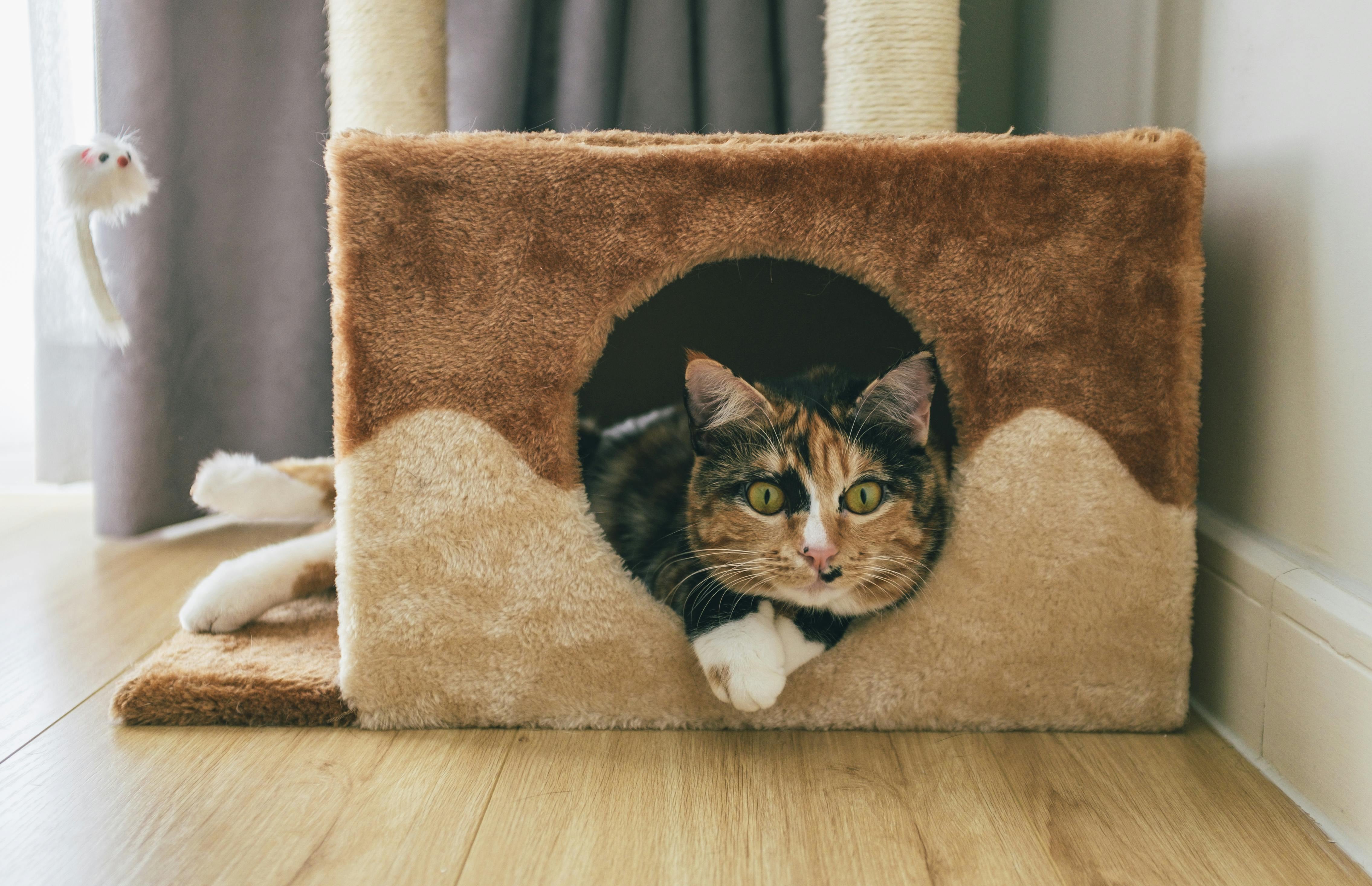
What Cats Feel When Their Owner Isn't Home, According to Veterinary Studies
Translated from Spanish, summarized and contextualized by DistantNews.
At a glance
In-depth
Sources not specified
Context piece
- Veterinary studies show cats form deep emotional bonds with their owners and can experience separation anxiety when left alone.
- Cats may exhibit behaviors like excessive vocalization, furniture destruction, or inappropriate urination if they experience chronic stress from prolonged absences.
- Owners should monitor their cats for signs of distress, such as compulsive grooming or significant behavioral changes, to ensure their well-being.
The long-held notion of cats as aloof and solitary creatures is being challenged by current veterinary science, which demonstrates their capacity for deep emotional attachments to their human companions. When owners leave, the physical separation can significantly impact a cat's mood and daily routine more than commonly believed.
the distance physical with their human of reference alters their daily life and their mood more than we usually imagine.
Research published in the Journal of Veterinary Medical Association indicates that felines can develop behaviors linked to separation from their primary caregivers. Being alone can create a void in their environment, potentially triggering sudden anxiety. While the intensity varies among individuals, cats possess a remarkable ability to remember their owners' schedules. Disruptions to this routine can considerably destabilize their emotional state.
felines can develop behaviors associated with the separation of their reference figures.
During periods of solitude, a cat's behavior typically involves low-intensity activities. They often spend much of the day sleeping or observing the outside world from windows. They also wander through rooms and frequently seek out clothing or corners that retain their owner's scent, a natural strategy to self-soothe with a comforting stimulus. The true extent of their feelings, however, becomes apparent upon the owner's return, manifesting as an exaggerated need for affection or constant following throughout the house.
When that daily routine is broken, the cat's emotional stability can be considerably shaken.
Problems arise when mild stress escalates into chronic distress due to excessively long absences. Specialists advise owners to be alert for signs such as strident, repetitive vocalizations, destructive behavior like tearing up furniture, or house-soiling outside the litter box. Compulsive grooming, where a cat excessively licks itself out of frustration, is another clear warning sign. Monitoring these changes is crucial to ensure that a cat's perceived independence does not mask silent suffering.
a strategy natural to self-soothe with a comforting stimulus.
DistantNews Editorial
Originally published by La Nación in Spanish. Translated, summarized, and contextualized by our editorial team with added local perspective. Read our editorial standards.
More Stories



From Our Blog

What Gets Lost (and Found) When News Is Translated

The Critical Role of Diaspora Media in Global News

What Travellers Should Know About Countries with Restricted Press

A Digital Nomad's Guide to Following Local News

How the Same Story Looks Different in Different Countries
