


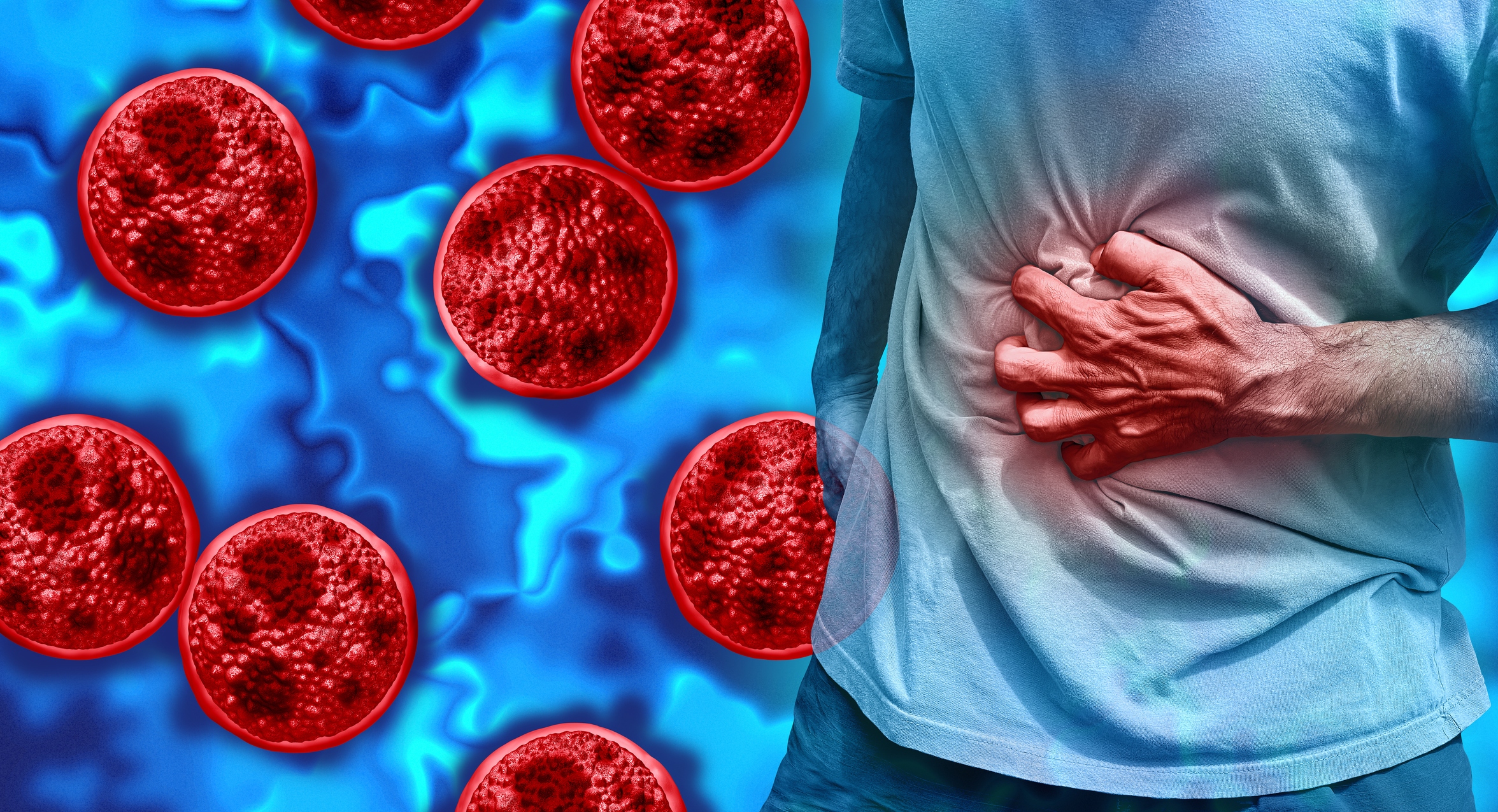
What Cyclospora does inside the gut and how it gets there
Summarized and contextualized by DistantNews.
At a glance
Explainer
Sources not specified
Context piece
- Cyclospora, a parasite that has infected thousands in the U.S. this summer, needs to reproduce in the human digestive tract.
- The parasite's life cycle involves a period of incubation within the host before it can be transmitted.
- Understanding this cycle is crucial for preventing and controlling outbreaks of cyclosporiasis.
Cyclospora, the microscopic parasite responsible for sickening thousands across the U.S. this summer, requires a specific environment to multiply: the human digestive tract. This parasite has a life cycle that necessitates time within the host's intestines to mature and reproduce. Understanding this biological process is key to grasping how infections spread and how to combat them effectively. The parasite's journey begins when contaminated food or water is ingested. Once inside, it travels to the small intestine, where it begins its reproductive cycle. This incubation period is critical, as the parasite must undergo development before it can be shed in the stool and potentially infect others. Public health officials track these outbreaks to identify common sources and implement control measures, often involving public warnings and recalls of contaminated products. The prolonged nature of some outbreaks highlights the challenges in pinpointing all sources and ensuring thorough decontamination.
DistantNews Editorial
Originally published by NPR. Summarized and contextualized by our editorial team with added local perspective. Read our editorial standards.
More Stories

From Our Blog

How the Same Story Looks Different in Different Countries

What Gets Lost (and Found) When News Is Translated

The Critical Role of Diaspora Media in Global News

What Travellers Should Know About Countries with Restricted Press

A Digital Nomad's Guide to Following Local News
