


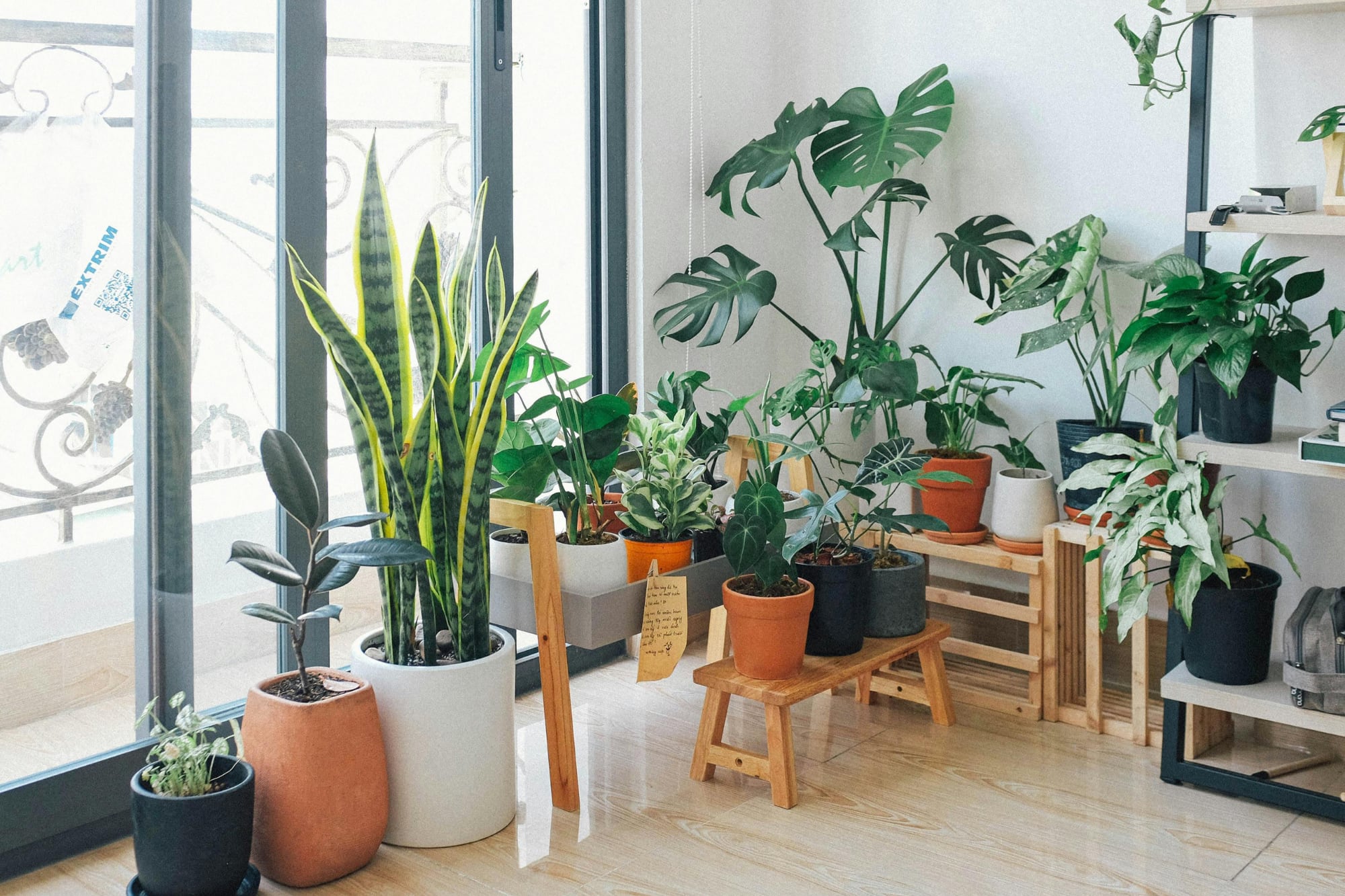
What having many plants at home means for psychology
Translated from Spanish, summarized and contextualized by DistantNews.
At a glance
In-depth
Sources not specified
Context piece
- A growing trend sees people filling their homes with plants, moving beyond mere decoration to a deeper connection with nature.
- Psychology suggests this reflects a need for connection with living things, fostering sensitivity, care, and patience.
- The quantity and style of plant ownership can also indicate personality traits, from methodical to spontaneous, and is popular among younger generations as a manageable form of care.
The trend of filling homes with plants has evolved beyond simple decoration, with many people now making greenery a central feature of their living spaces. This shift reflects a deeper psychological need for connection with the living world, according to psychological analysis of emotional well-being.
Individuals who incorporate plants into their homes often exhibit heightened sensitivity to their surroundings and a particular inclination towards nurturing. The act of caring for plants, watering, pruning, repotting, and ensuring they receive adequate light, can serve as a mindful routine. In a fast-paced world demanding immediate results, plants introduce a different rhythm, requiring patience and encouraging attention to subtle details.
This deep engagement with plants is associated with traits like empathy, constancy, and a desire to create a personal sanctuary. In urban environments where natural spaces are limited, homes become crucial areas for reconnecting with nature. Studies consistently show that plants positively impact mood, reduce stress, and contribute to calmer environments. Caring for them can thus become a form of accessible, everyday self-care.
The way people choose and arrange their plants can also offer insights into their personality. Some prefer a minimalist approach with a few well-placed plants in uniform pots, aligning with methodical and detail-oriented individuals who value visual balance. Others transform their homes into "urban jungles" with a diverse array of plants, suggesting a more free-spirited, creative, and spontaneous relationship with their space.
Furthermore, domestic gardening has gained significant traction among millennials and Gen Z. It offers a way to nurture something of their own without the larger commitments of pets or children. In an era marked by economic instability, high rents, and fluctuating routines, plants provide a grounding presence and a manageable connection to life.
DistantNews Editorial
Originally published by La Nación in Spanish. Translated, summarized, and contextualized by our editorial team with added local perspective. Read our editorial standards.
More Stories


From Our Blog

What Gets Lost (and Found) When News Is Translated

The Critical Role of Diaspora Media in Global News

What Travellers Should Know About Countries with Restricted Press

A Digital Nomad's Guide to Following Local News

How the Same Story Looks Different in Different Countries
