


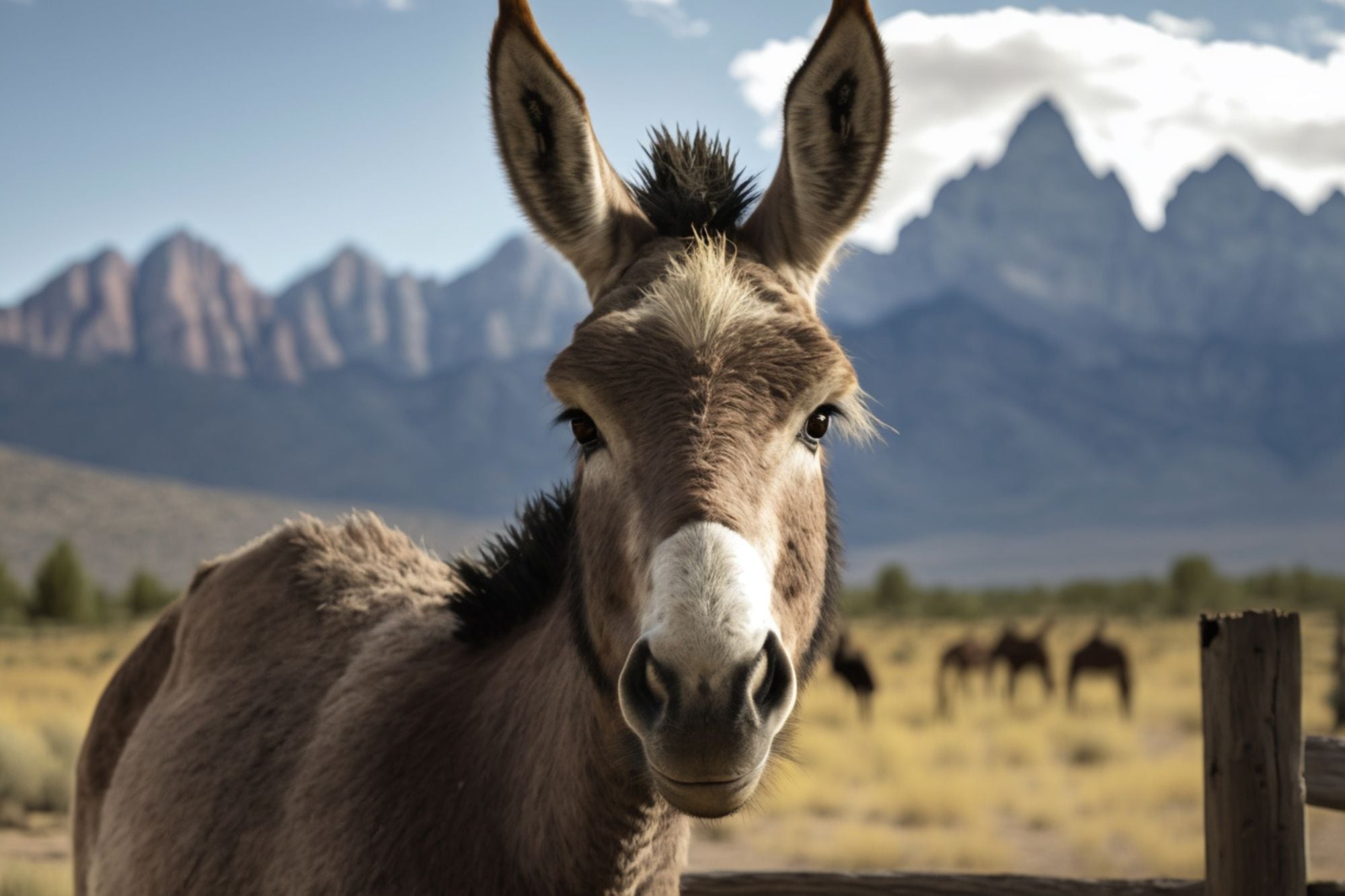
What is a donkey and mare's foal called? The RAE explains
Translated from Spanish, summarized and contextualized by DistantNews.
At a glance
News
Sources not specified
Context piece
- The Real Academia Española defines a mule as the hybrid offspring of a male donkey and a female horse.
- Mules are known for their strength and endurance, historically used for agricultural work and transport.
- The less common hybrid from a female donkey and a male horse is called a hinny, typically smaller and less hardy.
The Real Academia Española (RAE) clarifies that the term 'mula' specifically refers to the offspring of a male donkey and a female horse. This hybrid, known for its strength and resilience, has been valued for centuries in agricultural and transport roles.
While the term 'mula' is common, its precise definition is often misunderstood. The RAE emphasizes that it exclusively denotes the offspring of a male donkey and a female horse. Hybrids, resulting from the reproduction between different species like horses and donkeys, share a common ancestor but possess genetic differences that usually render them infertile.
The mule's historical significance lies in its physical capabilities, enabling it to navigate difficult terrain and carry heavy loads. These traits made it an indispensable animal in rural activities.
Interestingly, the inverse cross, between a female donkey and a male horse, produces a 'burdégano' or hinny. This hybrid is less common and generally smaller, with specialists noting it historically saw less use due to lower physical endurance and greater training difficulty.
DistantNews Editorial
Originally published by La Nación in Spanish. Translated, summarized, and contextualized by our editorial team with added local perspective. Read our editorial standards.
More Stories



From Our Blog

What Gets Lost (and Found) When News Is Translated

The Critical Role of Diaspora Media in Global News

What Travellers Should Know About Countries with Restricted Press

A Digital Nomad's Guide to Following Local News

How the Same Story Looks Different in Different Countries
