


What is Acubi? How the Korean Fashion Aesthetic Became Gen Z’s Biggest Style Trend
Translated from English, summarized and contextualized by DistantNews.
At a glance
In-depth
From a news agency
Context piece
- Acubi, a Korean-born fashion aesthetic, has become a defining style for Gen Z, blending Y2K, soft grunge, and streetwear elements.
- Characterized by muted palettes, relaxed silhouettes, and layered, seemingly effortless outfits, Acubi prioritizes comfort and individuality over spectacle.
- The aesthetic originated from the Korean label Acubi Club and has spread globally, influencing fast fashion and youth wardrobes worldwide.
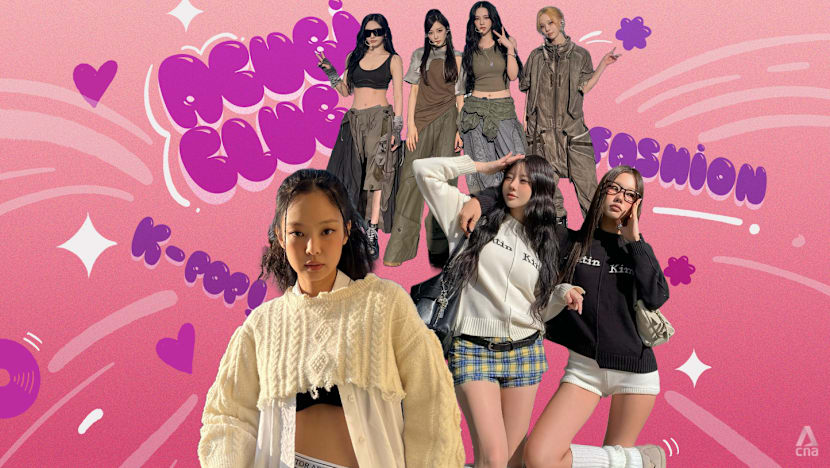
Acubi, a fashion aesthetic originating from South Korea, has rapidly become a defining style language for Generation Z, blending influences from Y2K fashion, soft grunge, and Korean streetwear minimalism. It's a style that is instantly recognizable on platforms like TikTok and in fashion hubs like Seoul's Seongsu district, characterized by washed charcoal knits, low-slung cargo pants, asymmetrical layering, oversized zip hoodies, and faded denim.
Acubi – the Korean-born aesthetic that has become one of Gen Z’s defining style languages – is oddly difficult to pin down.
The core formula of Acubi is deceptively simple: slim-fitting tops paired with baggy bottoms, combined with ample layering. However, its appeal lies in the illusion of effortlessness it conveys. Unlike more flamboyant TikTok aesthetics or the hyper-feminine Y2K revival, Acubi opts for muted color palettes, relaxed silhouettes, and a studied nonchalance. The clothing appears casually assembled, even though each detail is meticulously considered. This understated quality may be a key reason for its longevity, allowing it to outlast many fleeting internet trend cycles.
The formula is deceptively simple – slim tops, baggy bottoms and plenty of layering – but the appeal lies in how effortless it feels.
What began within Korean fashion circles has since transcended geographical boundaries, permeating global street style, fast fashion retailers, and the wardrobes of young consumers everywhere. The aesthetic emphasizes oversized outerwear combined with fitted tops, subdued colors over overt flashiness, and a preference for layering rather than statement pieces. Core items include cropped knitwear, fitted long-sleeve tops, layered tanks, low-rise trousers, maxi skirts, and oversized hoodies. The color palette predominantly features grays, charcoal, khaki, and off-white, often completed with chunky sneakers or combat boots.
Acubi trades spectacle for muted palettes, relaxed silhouettes and an almost studied nonchalance.
While traces of early 2000s fashion are evident, Acubi presents a softer, moodier interpretation compared to the bolder Y2K revival seen post-pandemic. Where classic Y2K fashion embraced rhinestones, bodycon silhouettes, and paparazzi-era glamour, Acubi strips these elements back into something more understated and wearable. Its rise also reflects a broader shift in how younger consumers approach fashion today, prioritizing comfort, versatility, and individuality over mere spectacle. The aesthetic's ability to feel both current and timeless, grounded in comfort yet stylishly put-together, has cemented its status as a significant trend.
Acubi drew from a visual language already embedded in Seoul street style: Oversized outerwear paired with fitted tops, subdued colours over overt flash and a preference for layering over statement dressing.
DistantNews Editorial
Originally published by CNA in English. Translated, summarized, and contextualized by our editorial team with added local perspective. Read our editorial standards.
More Stories


From Our Blog

What Gets Lost (and Found) When News Is Translated

The Critical Role of Diaspora Media in Global News

What Travellers Should Know About Countries with Restricted Press

A Digital Nomad's Guide to Following Local News

How the Same Story Looks Different in Different Countries
