


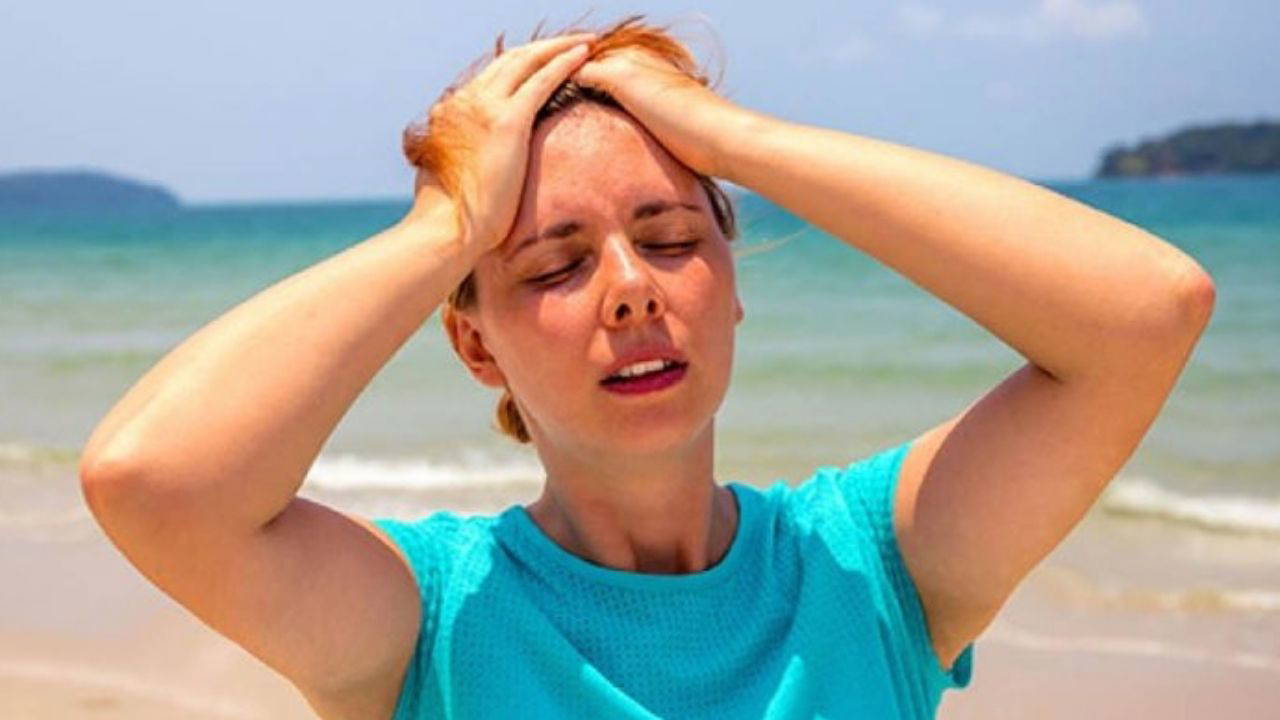
What is Heatstroke, What Are Its Symptoms? Precautions to Take Against Heatstroke
Translated from Turkish, summarized and contextualized by DistantNews.
At a glance
News
Sources not specified
Context piece
- Heatstroke is a serious health issue caused by prolonged exposure to high temperatures, leading to the body's inability to regulate its temperature.
- Symptoms include high body temperature, severe headache, dizziness, nausea, fatigue, rapid pulse, and hot, dry skin, requiring immediate medical attention.
- Prevention involves avoiding peak sun hours, staying hydrated, wearing light clothing, and using sun protection, with infants, the elderly, and those with chronic illnesses being at higher risk.
As summer temperatures rise, so does the incidence of heatstroke, a dangerous condition where the body overheats and loses its ability to regulate temperature. This can lead to a critical state requiring urgent medical intervention.
Key symptoms to watch for include a dangerously high body temperature, severe headaches, dizziness, nausea, and extreme fatigue. Individuals may also experience a rapid pulse, quickened breathing, and hot, dry skin, though some may still sweat. Confusion, difficulty speaking, muscle cramps, and even fainting or loss of consciousness are also signs of heatstroke.
If heatstroke is suspected, immediate action is crucial. Move the affected person to a cool, shaded, or air-conditioned environment. Loosen tight clothing, apply cool compresses, or use cool water to lower body temperature. If the person is conscious, offer water or electrolyte drinks in small sips. Never give anything by mouth to someone who is unconscious. Seek emergency medical help immediately if symptoms like loss of consciousness, seizures, speech difficulties, or high fever are present.
Preventing heatstroke involves staying indoors during the hottest parts of the day, typically between 11 a.m. and 4 p.m. Drink plenty of fluids throughout the day, opt for light-colored, loose-fitting clothing, and wear a wide-brimmed hat and sunglasses. Sunscreen is also essential. Schedule strenuous physical activities for cooler times of the day.
Certain groups are more vulnerable to heatstroke, including infants and young children, individuals over 65, pregnant women, those with chronic health conditions, outdoor workers, athletes, and people who do not consume enough fluids.
DistantNews Editorial
Originally published by Cumhuriyet in Turkish. Translated, summarized, and contextualized by our editorial team with added local perspective. Read our editorial standards.
More Stories



From Our Blog

What Gets Lost (and Found) When News Is Translated

The Critical Role of Diaspora Media in Global News

What Travellers Should Know About Countries with Restricted Press

A Digital Nomad's Guide to Following Local News

How the Same Story Looks Different in Different Countries
