

What is the "Ring of Fire"? Countries in the zone of highest seismic activity
Translated from Spanish, summarized and contextualized by DistantNews.
At a glance
News
Sources not specified
New plan
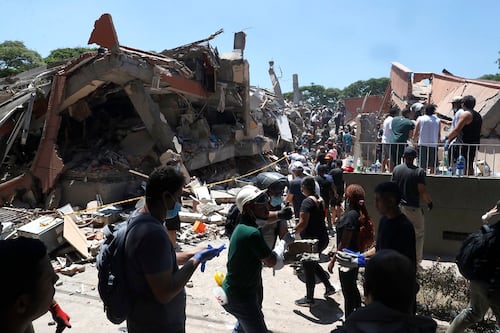
- A magnitude 7.4 earthquake struck Colombia, with its epicenter in San José del Palmar, Chocó, on the Pacific coast.
- The earthquake was linked to the subduction process between the Nazca and South American tectonic plates.
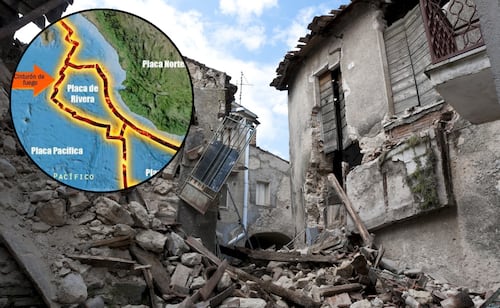
- The "Ring of Fire" is a 40,000 km zone around the Pacific Ocean where 90% of earthquakes and 75% of the world's volcanoes are located, including countries like Mexico, Chile, Peru, and Colombia.
A powerful magnitude 7.4 earthquake shook Colombia on Monday morning, originating near San José del Palmar in the Chocó department on the Pacific coast. The tremor occurred at 7:34 a.m. local time, according to the Colombian Geological Service (SGC).
The SGC explained that the earthquake's origin is tied to a subduction process between the Nazca and South American tectonic plates. Subduction occurs when one tectonic plate slowly slides beneath another as they converge.
This event has prompted questions, particularly in Mexico, about seismic activity in the region. The "Ring of Fire," also known as the Pacific Ring of Fire, is a vast horseshoe-shaped zone stretching approximately 40,000 kilometers around the Pacific Ocean. It is characterized by extensive tectonic plate boundaries and subduction zones.
This highly active seismic and volcanic region traces the edges of numerous tectonic plates, including the Pacific, Juan de Fuca, Cocos, Indo-Australian, Nazca, North American, and Philippine plates. According to National Geographic, an estimated 90% of all earthquakes worldwide occur within this zone. The Ring of Fire also hosts about 75% of the world's active volcanoes, with over 450 volcanic structures.
DistantNews Editorial
Originally published by El Universal in Spanish. Translated, summarized, and contextualized by our editorial team with added local perspective. Read our editorial standards.
More Stories
From Our Blog

What Press Freedom Means for the News You Read

What Gets Lost (and Found) When News Is Translated

The Critical Role of Diaspora Media in Global News

What Travellers Should Know About Countries with Restricted Press

A Digital Nomad's Guide to Following Local News
