


What is the state of Lyme disease vaccine research?
Translated from Turkish and summarized by DistantNews. Read the original for the full story.
At a glance
In-depth
Named sources
Ongoing story
- Lyme disease cases are increasing as tick populations expand across Europe and the United States, with climate change contributing to longer tick seasons.
- No licensed human Lyme disease vaccine currently exists, but companies including Pfizer, Moderna and Tarsus are testing preventive vaccines and other treatments.
- The disease can cause flu-like symptoms and a rash, while untreated infections may lead to fatigue, body pain or nerve damage months or years later.
Lyme disease cases are rising as ticks expand their habitat, but scientists are searching for new ways to prevent infections. No Lyme disease vaccine has yet been licensed for humans, although that could change as several companies test vaccines, injections and pills.
The disease is a bacterial infection transmitted by tick bites. It can cause chills, body aches and an oval or circular rash. If an infection goes untreated, it may later lead to fatigue, body pain or nerve damage, potentially making daily life difficult.
The United States records an estimated 476,000 Lyme disease diagnoses each year. Tick populations are spreading across Europe and the United States as forests and deer populations expand, while climate change brings milder winters. Tick seasons that once generally ran from spring to autumn are becoming longer, and in some places tick bites occur throughout the year.
We are seeing many more people infected.
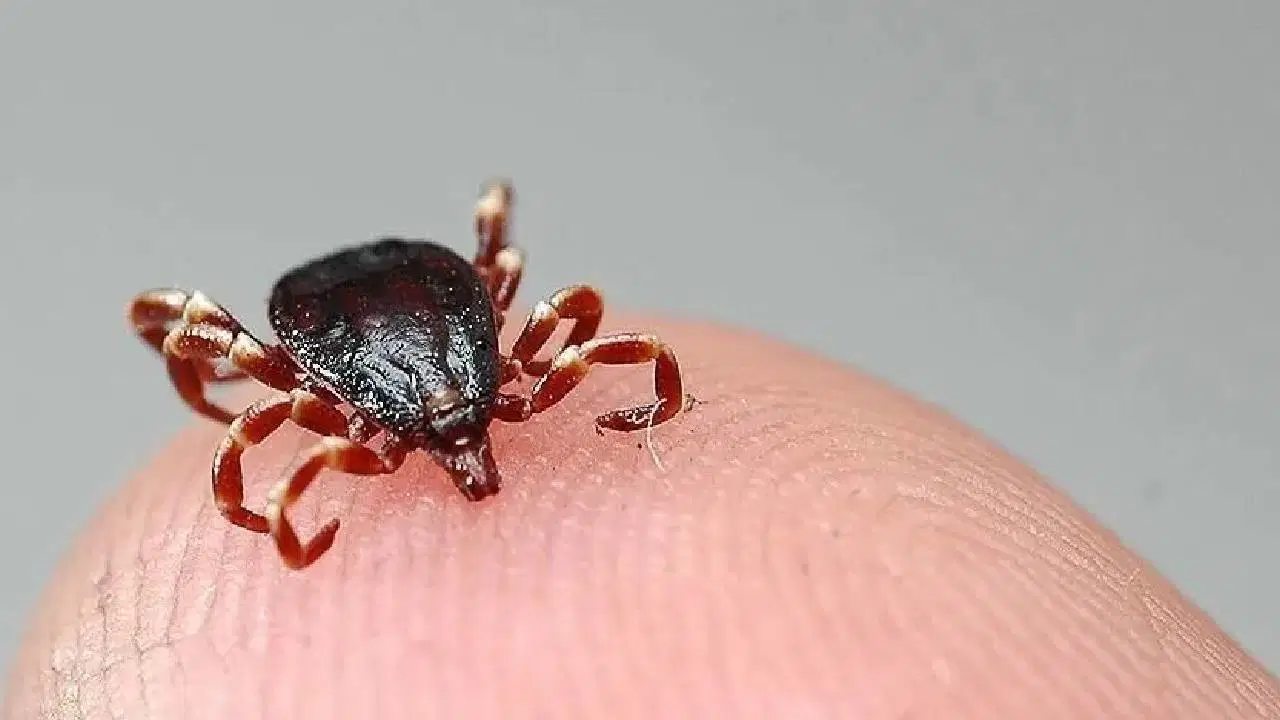
Ticks carry many pathogens. These can cause diseases including encephalitis, anaplasmosis and babesiosis. Lyme disease, caused by some Borrelia bacteria, remains the most common tick-borne disease in Europe and North America.
Thomas Hart, an assistant professor of molecular microbiology and immunology at the Johns Hopkins Lyme and Tick-Borne Diseases Research and Education Institute in Maryland, said researchers were seeing more infections and more interest in prevention. “We are at a favorable time for finding a new preventive method,” he said. Dogs and cats already have various tick-control treatments, including skin applications, collars and tablets. These products generally rely on chemicals that kill ticks after they begin feeding. Human prevention efforts are now being pursued by companies including Pfizer, Moderna and Tarsus.
We are at a favorable time for finding a new preventive method.
About this summary
Originally published by Cumhuriyet in Turkish. Translated, summarized, and contextualized automatically by DistantNews, with a note on how the source frames the story. Not individually reviewed before publishing. How this works.
More Stories



From Our Blog

What Gets Lost (and Found) When News Is Translated

The Critical Role of Diaspora Media in Global News

What Travellers Should Know About Countries with Restricted Press

A Digital Nomad's Guide to Following Local News

How the Same Story Looks Different in Different Countries
