

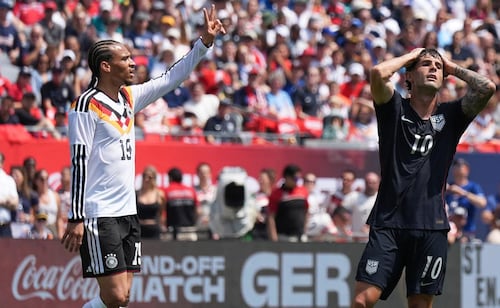
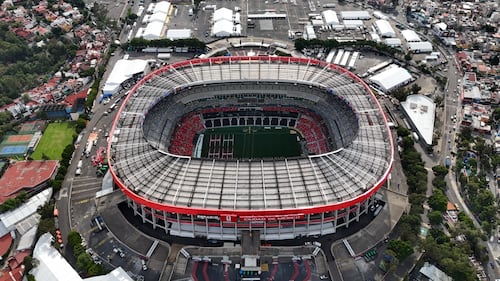
What items will be banned from stadiums during the 2026 World Cup?
Translated from Spanish, summarized and contextualized by DistantNews.
At a glance
News
Sources not specified
New plan
- FIFA has published a list of prohibited items for the 2026 World Cup stadiums in Mexico, the United States, and Canada.
- The list includes professional photo/video equipment, drones, weapons, and certain types of flags and banners.
- Fans will be allowed to bring soft, disposable, factory-sealed plastic water bottles of up to 590 ml.
The 2026 World Cup, co-hosted by Mexico, the United States, and Canada, is set to begin on June 11. Mexico will host 13 matches across Mexico City, Monterrey, and Guadalajara, while Canada will also host 13 games. The United States will stage the majority of the tournament with 78 matches.
To ensure security and manage the fan experience, the Mexican government, following FIFA's directives, has released a comprehensive list of items banned from stadiums. This list prohibits professional photography and videography equipment, drones, and sporting equipment like balls. Items considered weapons, such as firearms and sharp objects, tasers, and personal protection items, are also forbidden.
Fans are also restricted from bringing items like selfie sticks, masks, musical instruments, and large flags exceeding 1x1.20 meters. Additionally, political, offensive, or discriminatory materials, as well as commercial or promotional items, are not allowed. Personal items such as strollers, baby carriers, and even musical instruments are on the prohibited list. The stadium rules also ban computers, tablets, and any outside food and beverages.
However, a point of contention regarding water bottles has been resolved. Initially banned, FIFA has now permitted fans to bring plastic water bottles into the stadiums. These must be soft, disposable, factory-sealed, and no larger than 590 ml (20 ounces). The tournament's opening match, featuring Mexico vs. South Africa, will take place in Mexico City on June 11, with the opening ceremony starting at 11:30 AM.
DistantNews Editorial
Originally published by El Universal in Spanish. Translated, summarized, and contextualized by our editorial team with added local perspective. Read our editorial standards.
More Stories
From Our Blog

What Press Freedom Means for the News You Read

What Gets Lost (and Found) When News Is Translated

The Critical Role of Diaspora Media in Global News

What Travellers Should Know About Countries with Restricted Press

A Digital Nomad's Guide to Following Local News
