


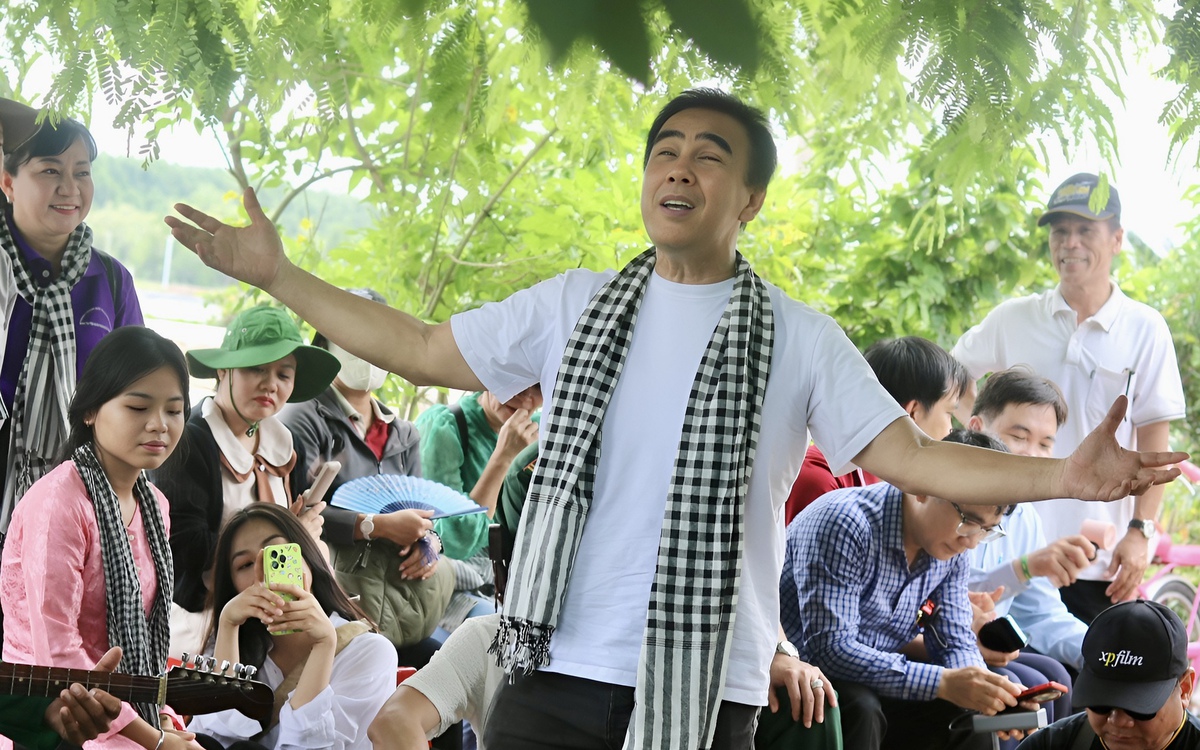
What needs to be done to nurture and develop young film talent in Ho Chi Minh City?
Translated from Vietnamese, summarized and contextualized by DistantNews.
At a glance
News
Sources not specified
Context piece
- Ho Chi Minh City held a seminar on developing its film industry, linking it to cultural and tourism values.
- The event took place in Thiềng Liềng village, a location featured in the film 'Hai Muối'.
- Artists discussed nurturing young film talent, focusing on training, practical experience, and market access.
Ho Chi Minh City is focusing on cultivating its film industry by integrating it with the city's rich cultural and historical heritage. A specialized seminar on June 10th in Thiềng Liềng village brought together artists and officials to discuss the future of filmmaking in the city. The event highlighted the importance of leveraging local values to enhance cinematic productions. Thiềng Liềng village, known for its rustic charm and salt field landscapes, served as a backdrop for the film 'Hai Muối,' providing a real-world example of how local settings can inspire and enrich storytelling. Artists engaged in discussions about the challenges and opportunities facing the film sector, emphasizing the need for a robust ecosystem to support emerging talent. Discussions also touched upon the city's recent designation as a UNESCO Creative City of Film. The seminar underscored the transition of Ho Chi Minh City's film sector from an artistic endeavor to a cultural industry, with a focus on developing the next generation of filmmakers. Key issues raised included human resources, management policies, film themes, and distribution challenges. Actor Quyền Linh proposed initiatives like creative camps and short film competitions to provide young aspiring filmmakers, especially those outside the professional sphere, with platforms to showcase their ideas and gain practical experience. The goal is to create clear pathways for young talent to enter the film industry and contribute to its growth.
Ho Chi Minh City's cinema is transitioning from artistic activity to becoming a cultural industry. We identify this as an industry, and in the coming time, we need to continue to develop it at the right pace, in the right direction, and in line with the desire to build.
DistantNews Editorial
Originally published by Tuổi Trẻ in Vietnamese. Translated, summarized, and contextualized by our editorial team with added local perspective. Read our editorial standards.
More Stories
From Our Blog

What Gets Lost (and Found) When News Is Translated

The Critical Role of Diaspora Media in Global News

What Travellers Should Know About Countries with Restricted Press

A Digital Nomad's Guide to Following Local News

How the Same Story Looks Different in Different Countries
