


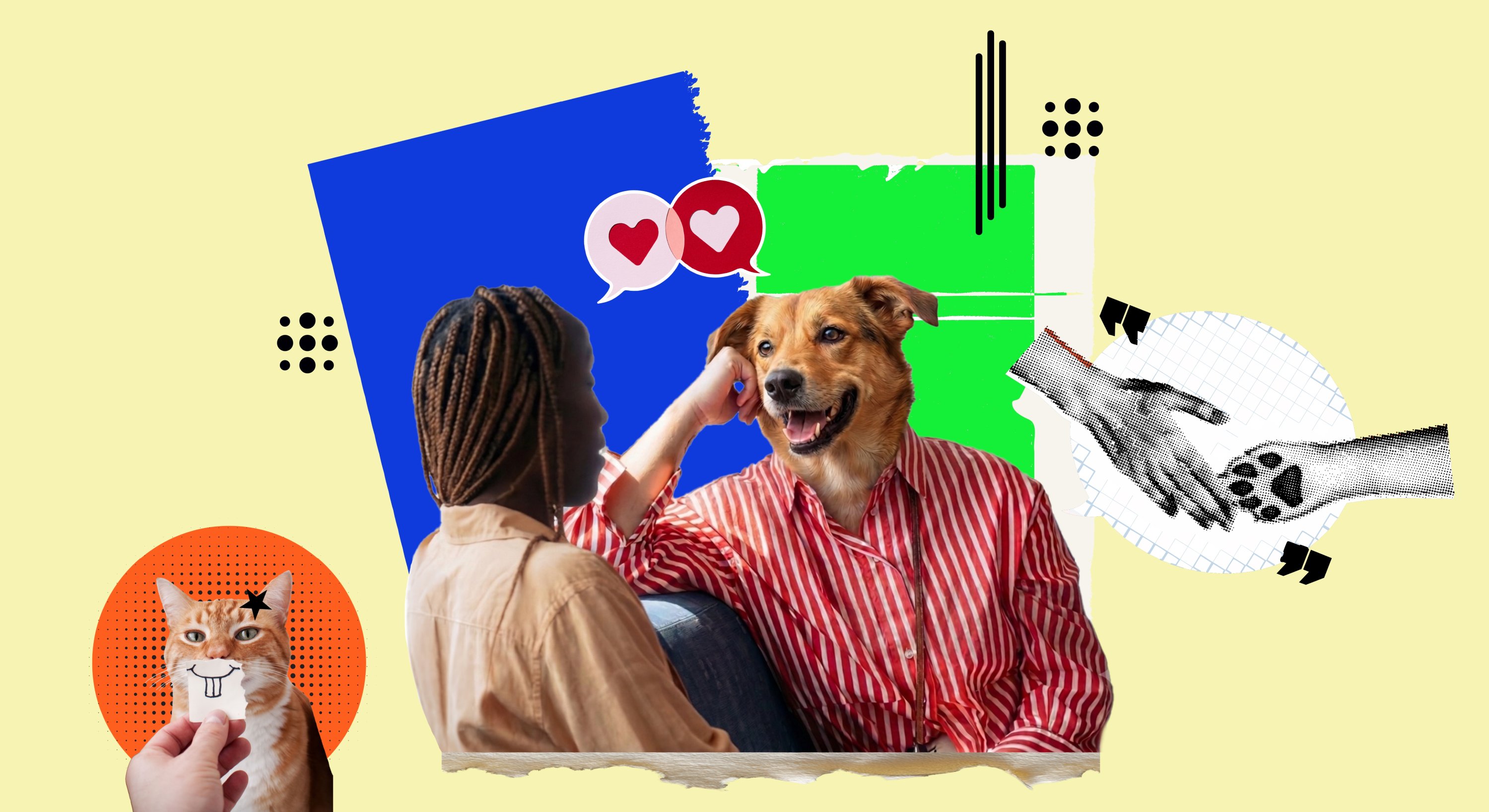
What our love for pets says about human relationships
Summarized and contextualized by DistantNews.
At a glance
In-depth
Sources not specified
Context piece
- Pets are increasingly treated as cherished family members, with pet cafes and dog parks thriving in major cities.
- The human nervous system seeks emotional security, and relationships with pets offer acceptance free from social expectations, judgment, or fear of rejection.
- Bonding with pets releases oxytocin, a hormone that increases feelings of security and love while lowering stress hormones, and research suggests pets can participate in emotional co-regulation.
The growing trend of treating pets as cherished family members, evident in thriving pet cafes and crowded dog parks, prompts reflection on human relationships. The human brain constantly seeks not only love but also emotional security, questioning whether one is safe, accepted, and included.
Relationships with pets uniquely address these fundamental needs. Unlike many human interactions, these bonds are largely free from social expectations, hidden agendas, or the fear of being evaluated. A pet's affection is not contingent on social status, financial situation, or professional success. This unconditional acceptance can be deeply emotionally restorative for many people.
Am I safe here? What I am talking about is not simply physical security; it is also emotional. Will I be judged? Will I be rejected? Will I be criticized? Will I be abandoned? Will I be accepted as I am? Will I be included and held? All these are fundamental needs that build emotional security.
This connection is also a biological process rooted in co-regulation, where the nervous system regulates itself in conjunction with another living being. Just as a baby is soothed by a parent's presence, an adult can rebalance their nervous system through a reassuring relationship. The quiet presence of a dog, the purring of a cat, or even a friend's company can signal safety to the body.
Physical contact with pets demonstrably increases oxytocin levels, a hormone associated with feelings of security, love, and peace. This bonding also lowers the stress hormone cortisol, slows heart rate, and reduces muscle tension, shifting the body from a stress response to a state of rest and repair. Fascinatingly, this relationship is not one-sided; research indicates cats can sense human emotional states and respond accordingly, potentially participating in co-regulation. One personal account describes a cat licking away tears, providing undeniable comfort and a sense of being seen.
Whether he understood my sadness or simply responded to the signals my body was giving, the effect was unmistakable: I felt calmer, seen and less alone.
DistantNews Editorial
Originally published by Daily Sabah. Summarized and contextualized by our editorial team with added local perspective. Read our editorial standards.
More Stories


From Our Blog

What Gets Lost (and Found) When News Is Translated

The Critical Role of Diaspora Media in Global News

What Travellers Should Know About Countries with Restricted Press

A Digital Nomad's Guide to Following Local News

How the Same Story Looks Different in Different Countries
