


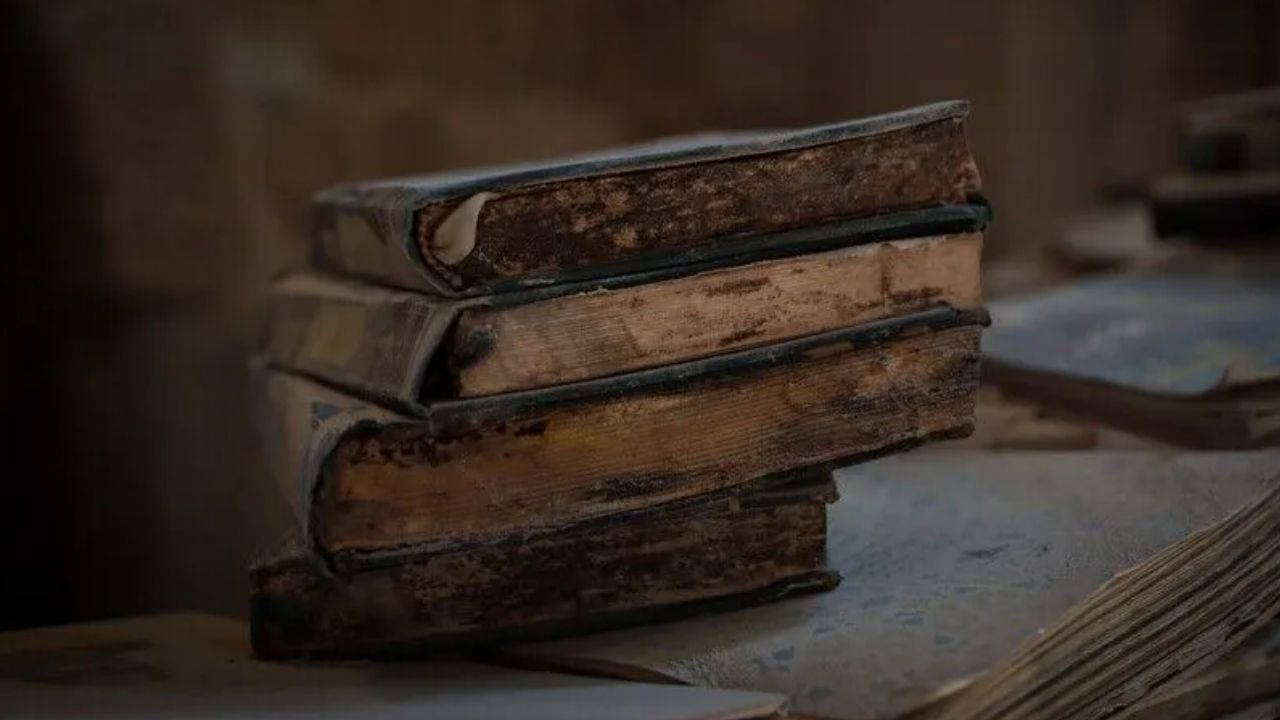
Are rare books being 'sacrificed' for AI? European booksellers raise alarm
Translated from Turkish, summarized and contextualized by DistantNews.
At a glance
News
Named sources
In the courts
- Used bookstores in Europe claim AI companies are buying rare books in bulk, scanning them for AI training, and then destroying them.
- An internal document from AI company Anthropic, revealed in a copyright lawsuit, details a secret project called "Project Panama" aimed at scanning all the world's books.
- This practice raises concerns about the destruction of physical literary heritage to feed AI models, with books being physically dismantled after scanning.
Used bookstores across Europe are sounding the alarm, alleging that artificial intelligence companies are systematically acquiring rare and valuable books, only to scan them for AI training and subsequently destroy the physical copies.
Industry insiders claim that these books are digitized for AI model training. After the scanning process, the books are reportedly dismantled, with their covers and pages separated. This practice has intensified following revelations about Anthropic, an AI company, and its clandestine "Project Panama," initiated in 2024. Details emerged in January through an internal company document submitted as evidence in a copyright lawsuit.
Our attempt to scan all the books in the world is Project Panama. We do not want it to be known that we are working on this project.
The document allegedly states, "Our attempt to scan all the books in the world is Project Panama. We do not want it to be known that we are working on this project." Evidence presented in court suggests Anthropic spent tens of millions of dollars acquiring millions of books within approximately a year. The books were physically cut, their pages scanned individually, and the resulting digital content was used to train AI models, including the company's chatbot, Claude.
This lawsuit against Anthropic is one of many legal battles initiated by authors, artists, photographers, and media organizations against major tech companies. The evidence highlights a perceived sacrifice of human-created knowledge and works for the benefit of machine learning. Companies using printed books as raw data for their language models are seen as endangering the physical legacy of rare literary works.
I experienced great surprise.
Pieter de Vries, who has operated a used bookstore in the Netherlands for 40 years, shared a concerning experience. He received an email from a person identifying as "Nataly" from the Singapore-based AI firm "2077AI," with a large order list. The email inquired about the availability of books with specific ISBN numbers. De Vries initially dismissed it as spam, given his focus on very old and rare books and the fact that the ISBN system dates back to the 1970s.
After reading reports in the German press about similar allegations, a journalist contacted de Vries. He then asked some Dutch colleagues if they had received similar emails. Several had, but like de Vries, they had deleted the messages, assuming they were spam or phishing attempts. De Vries noted that the order list contained all types of books, not just rare ones, fueling his suspicion about the AI companies' true intentions.
They also thought it was a spam or phishing attempt and deleted the message.
DistantNews Editorial
Originally published by Cumhuriyet in Turkish. Translated, summarized, and contextualized by our editorial team with added local perspective. Read our editorial standards.
More Stories



From Our Blog

What Gets Lost (and Found) When News Is Translated

The Critical Role of Diaspora Media in Global News

What Travellers Should Know About Countries with Restricted Press

A Digital Nomad's Guide to Following Local News

How the Same Story Looks Different in Different Countries
