

What still speaks for bank stocks?
Translated from German, summarized and contextualized by DistantNews.
At a glance
Analysis
Sources not specified
Context piece
- European banks are showing resilience and strong performance, outperforming other sectors despite geopolitical tensions and rising oil prices.
- Higher capital buffers and improved profitability have made the European banking sector more robust, with the Euro-Stoxx-Banks index rising significantly.
- Rising interest rates and inflation concerns are creating opportunities for banks, though the European Central Bank's policy remains uncertain.
Europe's banking sector is emerging as a surprisingly strong performer, capturing investor attention amidst global economic uncertainties. Despite recent geopolitical events, such as renewed tensions with Iran and disappointing earnings from tech giants like Samsung Electronics, European banks have demonstrated remarkable resilience.
Despite the oil prices rising significantly in the meantime and the associated concerns about European economic growth, the sector has gained a good deal.
The Euro-Stoxx-Banks index has seen a substantial increase of approximately 23 percent over the past three months. This growth is attributed to several factors, including higher capital buffers and enhanced profitability, positioning the sector more robustly than in previous periods. Data from the European Banking Authority shows a solid average hard core capital ratio of 16.18 percent in the fourth quarter of 2025, well above the regulatory minimum of 11.2 percent, indicating a strong capacity to absorb unexpected losses.
Rising interest rates have significantly contributed to the sector's economic success. The end of the era of ultra-low interest rates has led to higher yields on longer-term loans, widening the spread between what banks earn on fixed-rate credits and the short-term rates they offer depositors. This trend is expected to continue as inflation fears, fueled by rising oil prices, push yields on longer-dated bonds higher.
This means that the difference between the rate at which banks earn on fixed-interest loans and the short-term rate at which banks pay savers for their deposits has risen sharply.
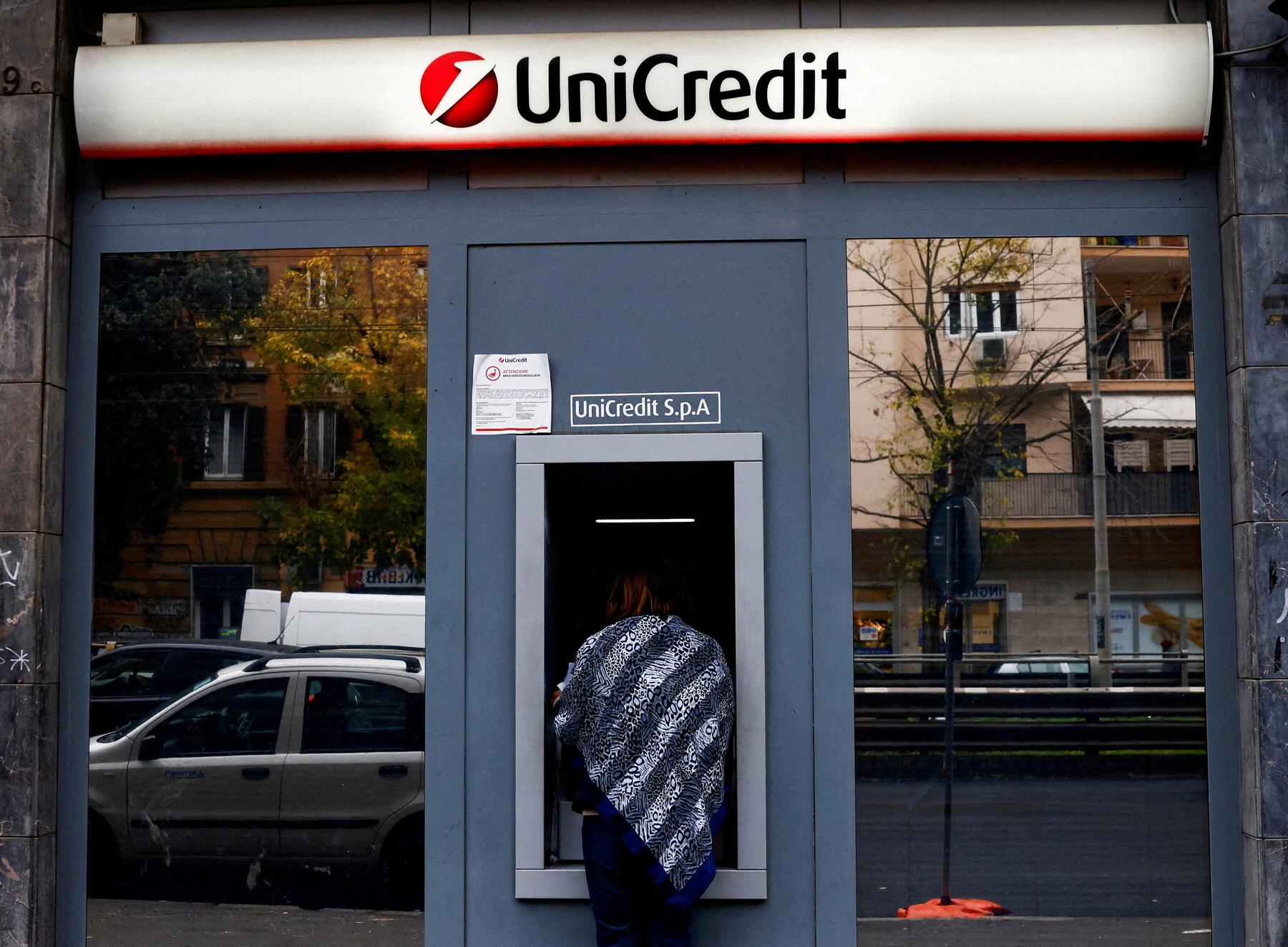
However, the future path for interest rates remains uncertain, with the European Central Bank balancing inflation concerns against a fragile economic outlook. Investors looking to capitalize on the potential growth in European bank stocks can consider index certificates tracking the Euro-Stoxx-Banks index, which features major players like Spain's Banco Santander and Italy's UniCredit.
Whether the ECB will also raise the key interest rate swiftly this year – a circumstance that in turn influences short-term interest rates – remains uncertain.
DistantNews Editorial
Originally published by Die Presse in German. Translated, summarized, and contextualized by our editorial team with added local perspective. Read our editorial standards.
More Stories



From Our Blog

What Gets Lost (and Found) When News Is Translated

The Critical Role of Diaspora Media in Global News

What Travellers Should Know About Countries with Restricted Press

A Digital Nomad's Guide to Following Local News

How the Same Story Looks Different in Different Countries
