

What the Iran war has revealed about Brics+
Summarized and contextualized by DistantNews.
At a glance
Analysis
Sources not specified
Context piece
- The U.S.-Israeli military campaign against Iran served as a stress test for the expanded Brics+ group.
- The conflict revealed Brics+ is a flexible coalition, not a military alliance, with members prioritizing national interests.
- While criticized for failing a geopolitical test, the group's strength lies in accommodating diversity and selective cooperation, not rigid commitments.
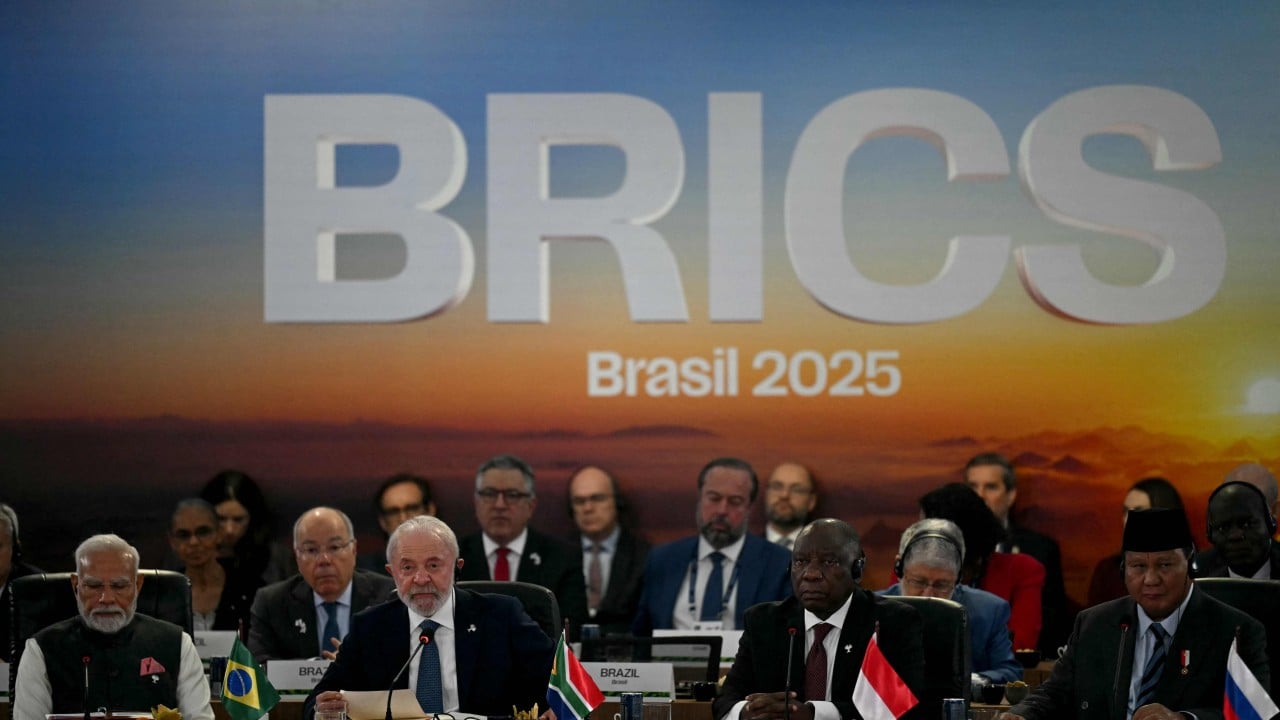
The U.S.-Israeli military campaign against Iran has exposed the nature of the expanded Brics+ group, revealing it to be a flexible coalition rather than a unified military alliance or ideological bloc. The conflict highlighted how members, despite shared dissatisfaction with Western dominance, harbor profoundly different national interests. This became evident as Iran was a target of the war, while another Brics+ member, the United Arab Emirates, faced Iranian strikes on its territory.
This divergence of interests has led to criticism that Brics+ failed its first major geopolitical test. However, this perspective misunderstands the group's fundamental purpose. Brics+ was not designed for the kind of collective responses typical of traditional alliances. Instead, its appeal lies in its ability to accommodate diversity, allowing members to cooperate selectively while maintaining room for independent action.
Western analytical frameworks, often centered on highly institutionalized alliances with common threat perceptions, struggle to grasp the logic of Brics+. The group's attractiveness stems precisely from its capacity to bring together states with varied national interests under a banner of shared dissatisfaction with the existing global order. Judging Brics+ by alliance-centric assumptions risks overlooking its unique operational model, which prioritizes flexibility and selective engagement over rigid, formal commitments.
DistantNews Editorial
Originally published by South China Morning Post. Summarized and contextualized by our editorial team with added local perspective. Read our editorial standards.
More Stories

From Our Blog

Countries Without a Free Press: What You Need to Know

What Press Freedom Means for the News You Read

What Gets Lost (and Found) When News Is Translated

The Critical Role of Diaspora Media in Global News

What Travellers Should Know About Countries with Restricted Press
