


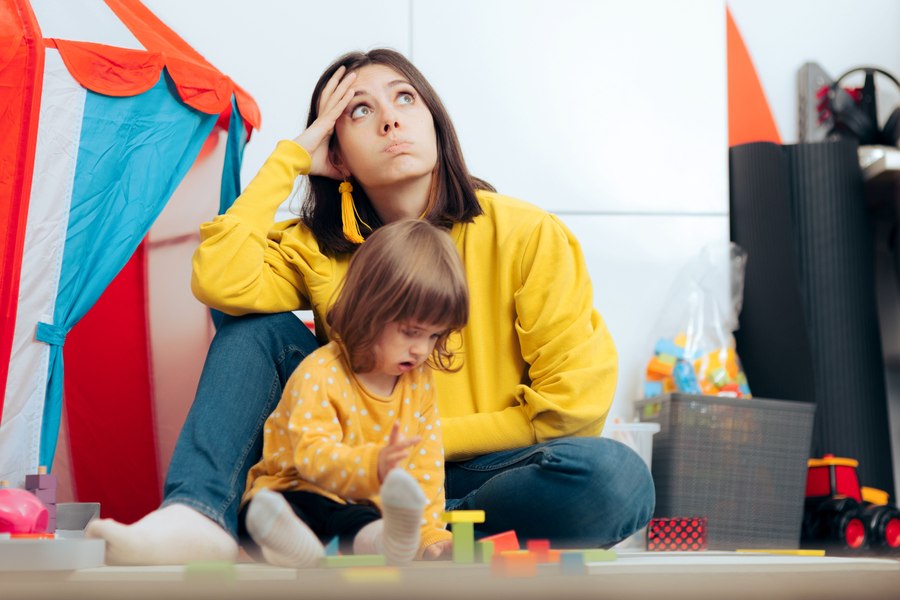
What the 'tradwife' phenomenon hides: Influencers promoting homemaker life build online businesses
Translated from Romanian, summarized and contextualized by DistantNews.
At a glance
Analysis
Named sources
Context piece
- The "tradwife" phenomenon, where influencers promote a traditional homemaker lifestyle, is gaining traction on social media.
- A study reveals that many popular "tradwife" influencers monetize this lifestyle through online businesses, despite advocating financial dependence on husbands.
- The movement taps into a psychological need for security and predictability amid economic instability and the pressures of modern life.
Millions of women are following influencers on TikTok and Instagram who champion the "tradwife" image: a woman who abandons her career to dedicate herself to her family and rely financially on her husband. However, a new study indicates that many of these popular content creators are profiting from promoting this very lifestyle, building lucrative online businesses around it.
The study, published in the journal Psychology of Women Quarterly, suggests that the success of these influencers stems not only from the popularity of their messages but also from the business models they have constructed. Despite advocating for a life of financial dependence on a partner, many "tradwives" generate substantial income through advertisements, subscriptions, courses, or products sold to their online communities.
The 'tradwife' phenomenon is not just a social media trend, but reflects a deep psychological need for security, predictability, and belonging. In a time when many people feel the pressure of performance, economic instability, and the difficulty of balancing professional and personal life, the image of an apparently simple existence, where roles are clearly defined, can become extremely attractive.
The "tradwife" movement promises a return to a family structure where the woman exclusively manages the household, and the man is the sole financial provider. Yet, an analysis from the University of Michigan debunks this facade, revealing that behind the image of domestic submission lies a significant money-making operation. The research found that nearly two-thirds of the analyzed viral videos contained clear monetization strategies, paradoxically generating considerable online revenue for influencers who strongly advocate for financial dependence on their partners.
Beyond the commercial aspect, the content often promotes a strict ideological agenda. Over 40% of these clips explicitly encourage women to abandon their careers in favor of motherhood, and many even offer "guides" on how women should present themselves visually to please their husbands. Psychotherapist Laura Găvan explains that the "tradwife" phenomenon reflects a deep psychological need for security, predictability, and belonging, particularly appealing in times of economic instability and the struggle to balance professional and personal lives. The meticulously curated and often conflict-free images presented on social media, impeccable homes, calm children, harmonious relationships, create an alluringly simple and coherent narrative that attracts the human brain.
Social networks amplify this attraction by offering carefully constructed images, where conflicts, fatigue, compromises, and the real difficulties of couple life are almost completely absent. Impeccable houses, quiet children, harmonious relationships, and an atmosphere of permanent calm are presented. The human brain is attracted to simple and coherent stories, and repeated exposure
DistantNews Editorial
Originally published by Adevărul in Romanian. Translated, summarized, and contextualized by our editorial team with added local perspective. Read our editorial standards.
More Stories


From Our Blog

What Gets Lost (and Found) When News Is Translated

The Critical Role of Diaspora Media in Global News

What Travellers Should Know About Countries with Restricted Press

A Digital Nomad's Guide to Following Local News

How the Same Story Looks Different in Different Countries
