


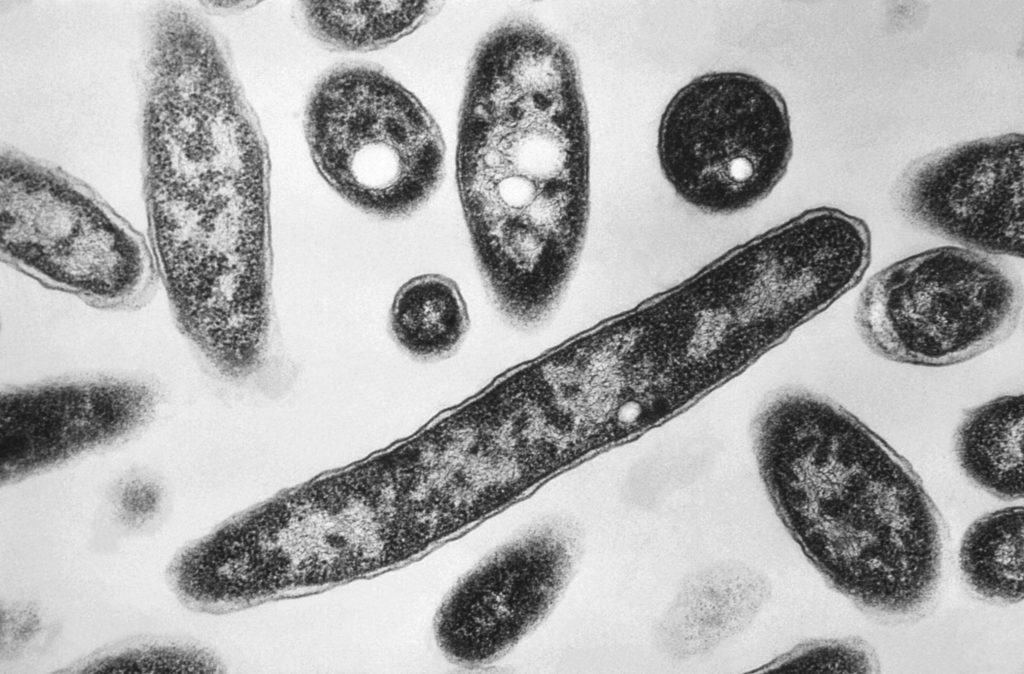
What to know about Legionnaires' disease making people sick in New York City
Summarized and contextualized by DistantNews.
At a glance
News
Named sources
Ongoing story
- New York City health officials are investigating a cluster of 23 Legionnaires' disease cases in the Upper East Side, with 17 hospitalizations and no deaths.
- The likely source is a cooling tower in the affected neighborhoods, and the city is testing such systems in the area.
- Legionnaires' disease is a type of pneumonia caused by Legionella bacteria, spread through contaminated water systems, and is not transmitted person-to-person.
New York City health officials are actively investigating a cluster of Legionnaires' disease cases affecting two neighborhoods on the Upper East Side. As of July 6, the outbreak has resulted in 23 confirmed cases, leading to 17 hospitalizations, but thankfully, no fatalities have been reported.
Authorities have identified cooling towers, typically found atop buildings to regulate temperature, as the probable source of the bacteria. The city's health department is currently testing all such towers within the affected areas, identified as Carnegie Hill and Yorkville, spanning ZIP codes 10028, 10128, and 10075.
Legionnaires' disease is a form of pneumonia caused by Legionella bacteria, which thrive in warm water and can spread through building water systems like showerheads, hot tubs, and cooling towers. Transmission occurs when people inhale tiny droplets of contaminated water. Health officials have reassured residents that the disease cannot be contracted from person-to-person contact or from drinking tap water, bathing, showering, or cooking.
Symptoms, which typically appear two days to two weeks after exposure, include cough, fever, headaches, muscle aches, and shortness of breath. Individuals aged 50 and older, smokers, those with chronic lung diseases, or weakened immune systems are at a higher risk. While treatable with antibiotics, the disease can be fatal if left untreated, with complications potentially leading to respiratory failure, shock, and organ failure.
DistantNews Editorial
Originally published by PBS NewsHour. Summarized and contextualized by our editorial team with added local perspective. Read our editorial standards.
More Stories


From Our Blog

How the Same Story Looks Different in Different Countries

What Gets Lost (and Found) When News Is Translated

The Critical Role of Diaspora Media in Global News

What Travellers Should Know About Countries with Restricted Press

A Digital Nomad's Guide to Following Local News
