

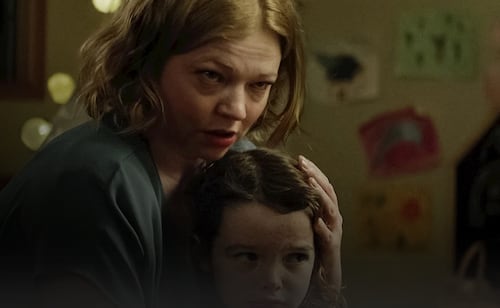

What to Watch: “Mal de Amores,” a Story of Freedom, Secrets and Family Desires
Translated from Spanish and summarized by DistantNews. Read the original for the full story.
At a glance
In-depth
Sources not specified
Context piece
- “Mal de Amores” follows Emilia Sauri, a liberal family’s daughter in Puebla who dreams of studying and practicing medicine during the Mexican Revolution.
- Her ambitions and desire for independence compete with a romantic dilemma involving a revolutionary and a doctor seeking peace.
- The series adapts Ángeles Mastretta’s novel and was adapted and produced by her daughter, Catalina, who also shares directing duties with Humberto Hinojosa.
“Mal de Amores” begins with the familiar ingredients of a period romance, but its heroine wants more than a love story. Emilia Sauri wants to study medicine, live independently and decide her own future in a Mexico where women did not enjoy those choices.
Raised in Puebla by a liberal, open-minded family during the Mexican Revolution, Emilia pursues an ambition that was unusual for women of her time: becoming a doctor. Her path is complicated by two men who represent very different lives.
One is Daniel Cuenca, her first love, who becomes a revolutionary. The other is Antonio Zavalza, a doctor who seeks peace. But the central question is not simply which man Emilia will choose. It is what she must do to become the person she wants to be.
That focus keeps the series from settling into a conventional period romance. Love remains central, but it shares the story with ambition, independence and the decisions of a woman determined not to leave her fate in someone else’s hands.
The series adapts Ángeles Mastretta’s novel. Catalina Mastretta, the author’s daughter, read the book at age 12 and imagined bringing it to the screen. Decades later, she adapted and produced the series and shares directing duties with Humberto Hinojosa. “Mal de Amores” is available on Netflix.
About this summary
Originally published by El Universal in Spanish. Translated, summarized, and contextualized automatically by DistantNews, with a note on how the source frames the story. Not individually reviewed before publishing. How this works.
More Stories


From Our Blog

What Press Freedom Means for the News You Read

News in Translation: What Gets Lost, and How We Keep the Framing

Diaspora Media: How Communities Abroad Follow Home

Traveling Where the Press Is Not Free: How to Read the News There

The Digital Nomad's Guide to Local News
