

What Türkiye Offers NATO, What It Wants in Return
Translated from English, summarized and contextualized by DistantNews.
At a glance
News
Sources not specified
Context piece
- NATO's Ankara summit begins, focusing on burden-sharing, European defense initiatives, and the alliance's role regarding Ukraine and Russia.
- Türkiye, as host, seeks greater inclusion in European security, integration of its defense industry, and the lifting of restrictions on its defense exports.
- The summit aims to strengthen NATO's eastern border, address the southern flank, and foster political solidarity among allies.
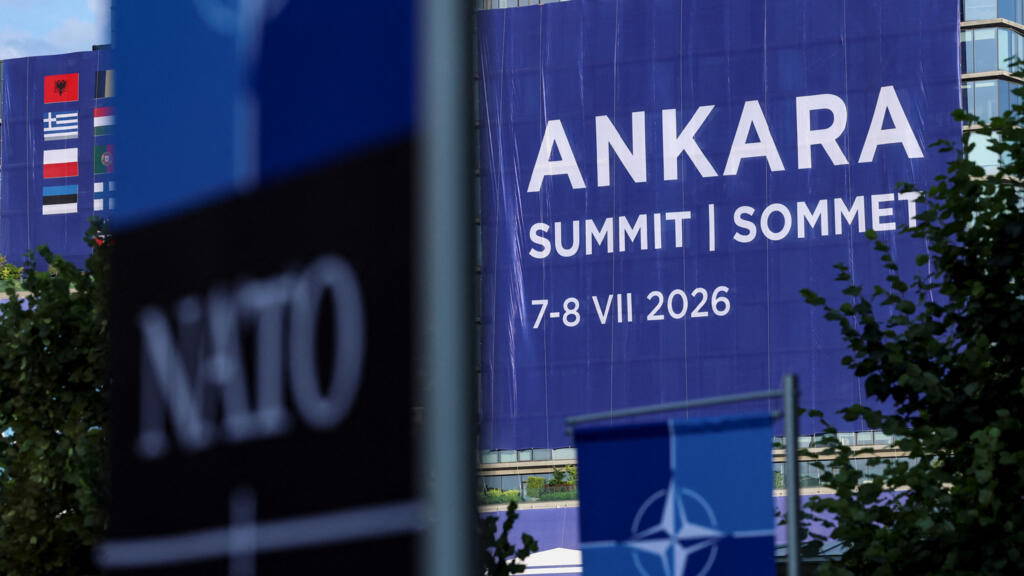
The NATO summit in Ankara commences today, marking a critical juncture for the alliance's future. Discussions will center on the tangible outcomes of burden-sharing commitments from previous summits, emphasizing that increased defense spending alone is insufficient. The agenda prioritizes making burden-sharing strategic through joint procurement and defense-industry integration to resolve bottlenecks in areas like air defense and personnel capacity.
A key focus will be on a new framework to bridge the Europe-U.S. divide and ensure continued American engagement. This includes exploring the "Europeanization" of NATO through programs like the Security Action for Europe (SAFE) and addressing the implications for non-EU members such as the United Kingdom, Türkiye, and Norway. The summit will also reaffirm NATO's core mission of deterrence against Russia, with discussions on strengthening the alliance's eastern border and developing new mechanisms.
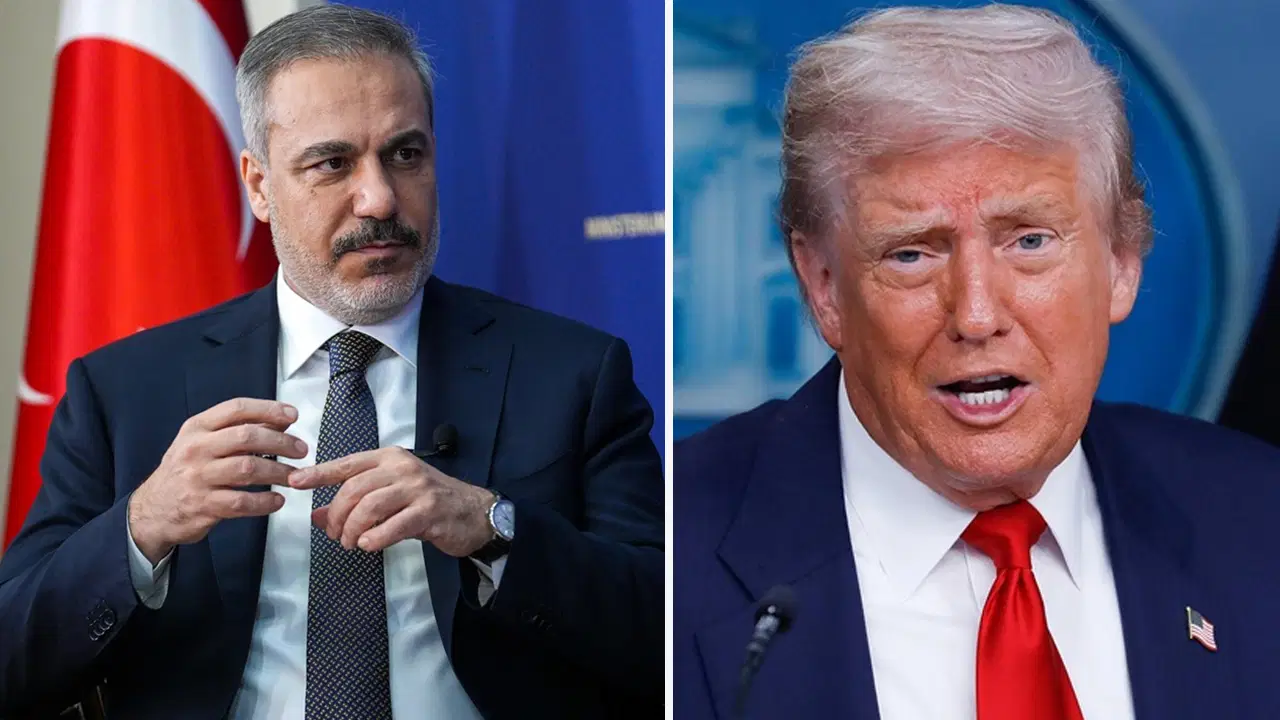
As the host nation, Türkiye's role and expectations are prominent. Türkiye positions itself not merely as a "flank country" but as a central actor in the southern flank's security. It highlights its capabilities as a defense industry producer and technology developer, contributing to NATO's security through its own capacity and diplomatic power. Türkiye's primary demands include the lifting of restrictions on its defense industry, greater participation in European security initiatives, and defense industry integration.
DistantNews Editorial
Originally published by Daily Sabah in English. Translated, summarized, and contextualized by our editorial team with added local perspective. Read our editorial standards.
More Stories

From Our Blog

What Gets Lost (and Found) When News Is Translated

The Critical Role of Diaspora Media in Global News

What Travellers Should Know About Countries with Restricted Press

A Digital Nomad's Guide to Following Local News

How the Same Story Looks Different in Different Countries
