


When is Sargazo Least Present in Cancun?
Translated from Spanish, summarized and contextualized by DistantNews.
At a glance
News
Sources not specified
Context piece
- Sargazo, a type of seaweed, affects Quintana Roo's beaches, impacting tourism in destinations like Cancún.
- The presence of sargazo varies seasonally and geographically due to factors like wind and currents, with lower levels typically seen from November to March.
- Authorities and hotels are working to remove sargazo, and travelers can consult updated reports and hotel information to plan their visits effectively.
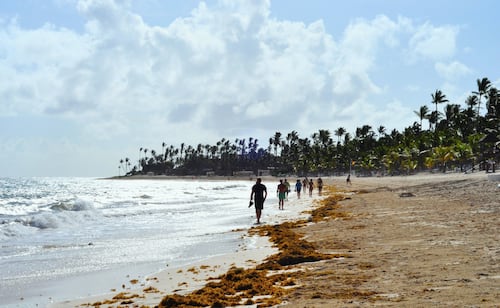
Cancun's pristine beaches, a major draw for tourists, are often impacted by sargazo, a type of seaweed that has increasingly affected Quintana Roo's coastlines in recent years. Travelers planning a visit may wonder about the best time to avoid this natural phenomenon.
the presence of sargazo varies from one destination to another, as it depends on factors such as wind, marine currents, and cleaning efforts in each destination.
The presence of sargazo is not constant and varies significantly by location. Quintana Roo Governor Mara Lezama explained that factors such as wind, marine currents, and local cleanup efforts influence its distribution. This variability means that conditions can differ from one destination to another within the state.
many of the hotels and authorities are carrying out sargazo removal work.
To navigate these conditions, authorities advise travelers to consult updated beach reports and monitor social media for real-time updates from other visitors. Sebastián Ramírez, director general of the National Fund for Tourism Promotion (Fonatur), noted that many hotels and local authorities are actively engaged in sargazo removal efforts.
sargazo does not disappear completely, as it is part of a natural phenomenon. However, its presence usually decreases starting in November.
While sargazo does not disappear entirely, its presence typically diminishes starting in November. The Interdisciplinary Group for the Study of Sargazo (GIES) at UNAM indicates that the periods between November and March are considered low seasons for the macroalgae. Specifically, from December to February, the probability of encountering large accumulations on the beaches is lower. With careful planning and up-to-date information, visitors can choose the ideal time to experience Cancun without the sargazo being the sole deterrent.
the periods between November and March are considered low season for the macroalgae, while from December to February, there is a lower probability of finding large accumulations on the beach.
DistantNews Editorial
Originally published by El Universal in Spanish. Translated, summarized, and contextualized by our editorial team with added local perspective. Read our editorial standards.
More Stories



From Our Blog

What Press Freedom Means for the News You Read

What Gets Lost (and Found) When News Is Translated

The Critical Role of Diaspora Media in Global News

What Travellers Should Know About Countries with Restricted Press

A Digital Nomad's Guide to Following Local News
