


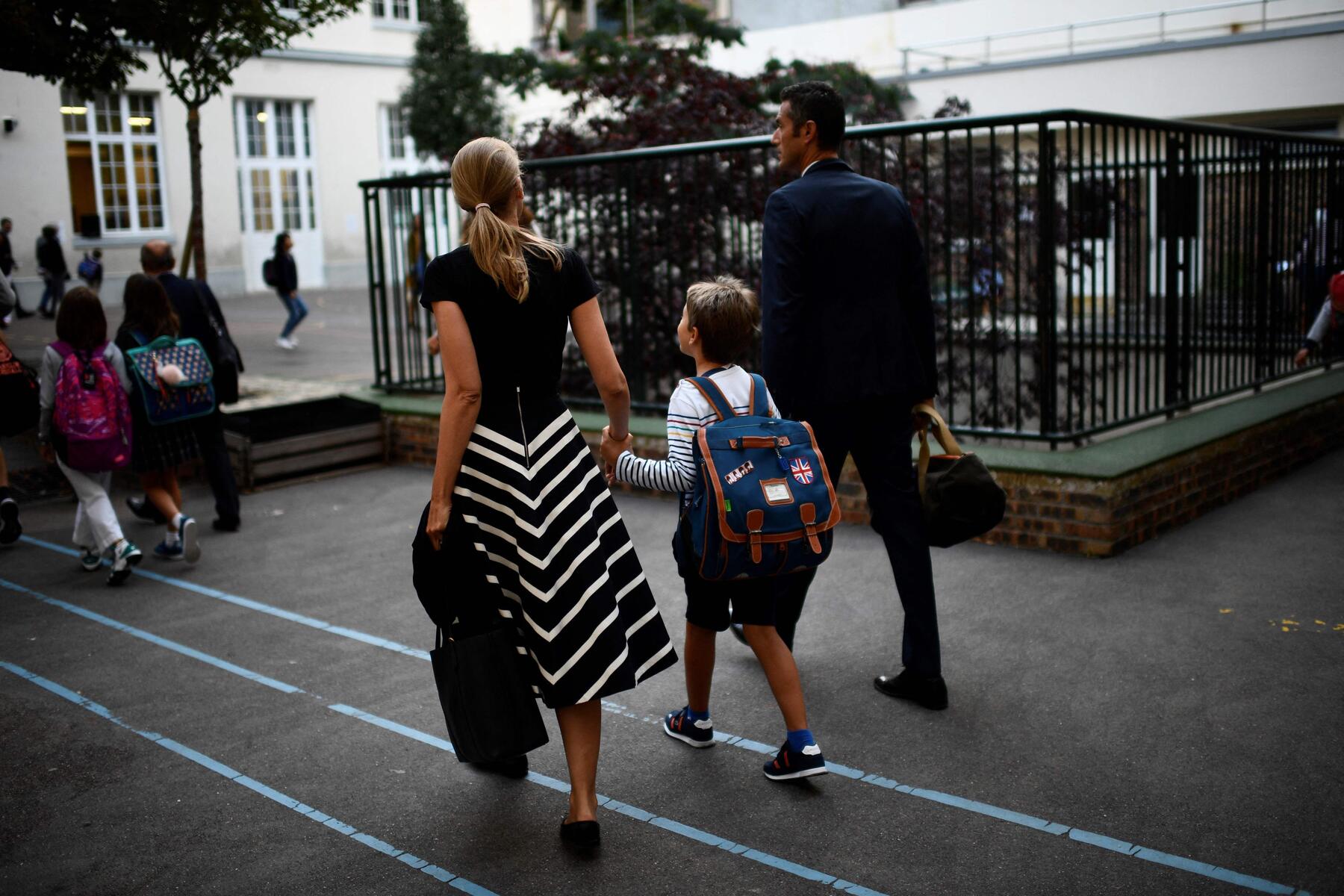
When parents opt out, politics must step in
Translated from German, summarized and contextualized by DistantNews.
At a glance
Analysis
Sources not specified
Context piece
- Schools in Austria are increasingly unable to rely on parental involvement, a problem that requires political solutions.
- The article contrasts parents who are highly engaged in their children's education with those who are not, highlighting disparities across schools.
- The government is urged to address the reality of varying parental engagement rather than lamenting the issue, with new reforms aiming to provide schools with more flexibility.
Schools across Austria are facing a growing challenge as parental involvement becomes increasingly unreliable, a situation that demands political action rather than mere complaint. The article highlights stark differences in parental engagement, with some parents deeply invested in their children's academic success, actively participating in school events and coordinating efforts, while others show little to no involvement.
These disparities are evident in the varying levels of school activities, from festive events to essential support for students' educational progress and well-being. The reasons for this lack of engagement are multifaceted, ranging from genuine disinterest and a misunderstanding of education's value to parental overwhelm. Regardless of the cause, the consequence is that many schools, particularly in urban areas, cannot count on parents as "education partners" for support in areas like upbringing, language acquisition, or mental health.
This situation places a significant burden on the state, which is compelled to fill the void left by insufficient family support. While previous administrations have often lamented this issue, the current government is being credited for working with the existing realities. Reforms are underway, moving beyond philosophical debates to practical solutions.
One such practical measure involves the allocation of resources. Previously, schools designated as "problem areas" might receive an additional math teacher, even when a second social worker was more urgently needed. New reforms aim to grant schools greater flexibility in choosing how to best utilize resources, such as opting for a social worker instead of a subject-specific teacher, to address the specific needs arising from varied parental engagement.
DistantNews Editorial
Originally published by Die Presse in German. Translated, summarized, and contextualized by our editorial team with added local perspective. Read our editorial standards.
More Stories



From Our Blog

What Gets Lost (and Found) When News Is Translated

The Critical Role of Diaspora Media in Global News

What Travellers Should Know About Countries with Restricted Press

A Digital Nomad's Guide to Following Local News

How the Same Story Looks Different in Different Countries
