


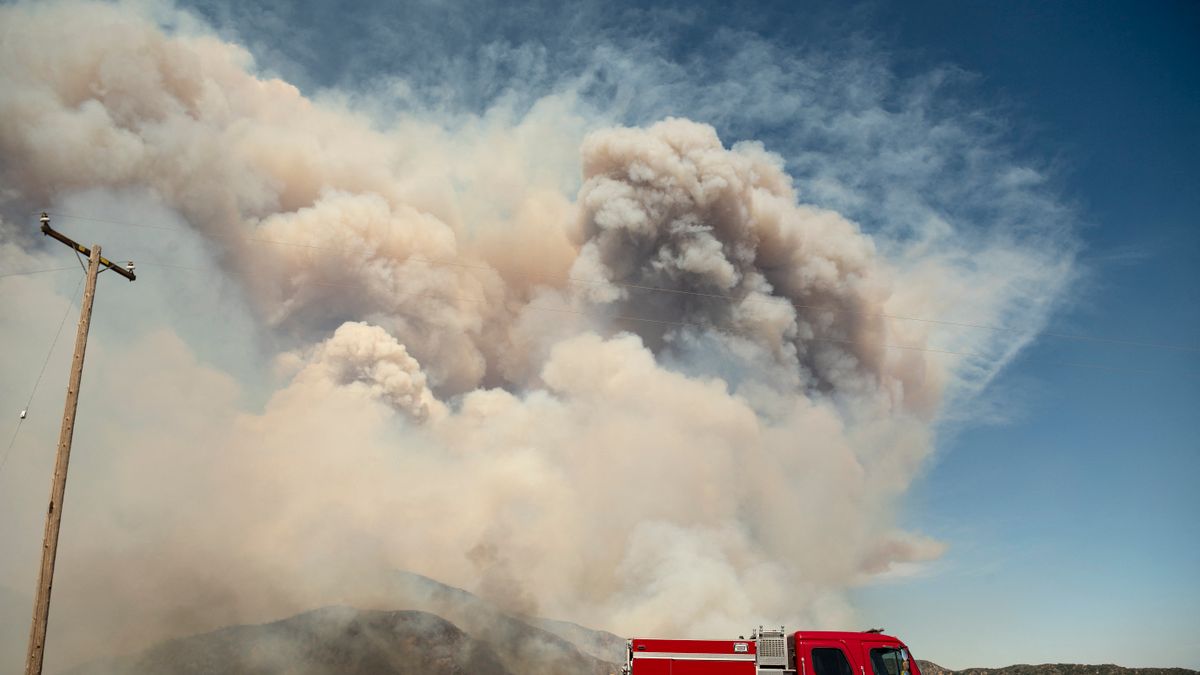
When Smoke Breeds Lightning: How Fearsome Fire Clouds Form in Wildfires
Translated from Hungarian, summarized and contextualized by DistantNews.
At a glance
In-depth
Named sources
Context piece
- Pyro-cumulus clouds, formed by intense wildfires, create dangerous firestorms and fire whirls.
- These clouds generate powerful updrafts and winds that can exceed 200 km/h, making them uncontrollable.
- Climate scientists emphasize that such extreme fire events are amplified by global warming, requiring new international approaches.
The terrifying phenomenon of firestorms and fire whirls is directly linked to the formation of pyro-cumulus clouds, which emerge from the intense heat of massive wildfires. When the updraft beneath these clouds reaches a critical velocity, the rapidly rising hot air draws in surrounding cooler air with immense force. This creates a horizontal, gale-force wind that rushes towards the fire's center from all directions, acting like a giant bellows feeding the flames.
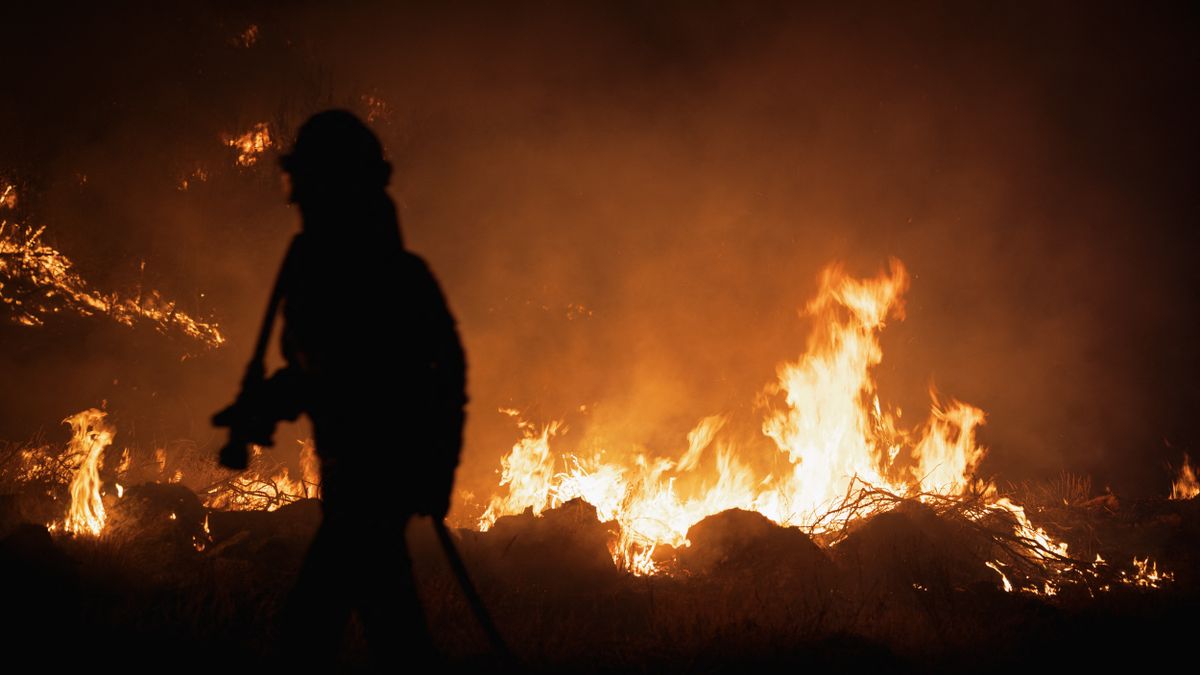
If this inflow of wind interacts with topographical features like valleys or ridges, the rising column of hot air can begin to rotate, spawning a fire whirl. While not true meteorological tornadoes, these rotating columns of fire are devastating. Their cores can reach temperatures of up to 1,000 degrees Celsius, with wind speeds exceeding 200 km/h. They possess the power to uproot trees and hurl burning debris over vast distances, rendering conventional firefighting tactics ineffective.
When a wildfire escalates to the pyro-cumulus and firestorm phase, firefighting strategies must shift dramatically from direct suppression to evacuation and defense. According to analyses by the European Forest Fire Information System (EFFIS), the atmospheric conditions under pyro-cumulus clouds paralyze human intervention for several reasons. Firefighting aircraft and helicopters cannot approach due to downdrafts and unpredictable wind gusts that threaten a crash. The firestorm's own winds override weather forecasts, dictating the fire's path irrespective of prevailing meteorological conditions. Furthermore, the sheer energy release at the firestorm's core can melt vehicles and protective gear, forcing ground crews to retreat several kilometers.
Climate researchers acknowledge that wildfires are no longer isolated environmental problems but phenomena amplified by global warming. Addressing these supercharged fires in the future will necessitate entirely new scientific approaches and international cooperation.
Ez a szél oxigénnel táplálja a lángokat, mintha egy gigantikus kohó fújtatója lenne.
DistantNews Editorial
Originally published by Magyar Nemzet in Hungarian. Translated, summarized, and contextualized by our editorial team with added local perspective. Read our editorial standards.
More Stories
From Our Blog

Countries Without a Free Press: What You Need to Know

What Press Freedom Means for the News You Read

What Gets Lost (and Found) When News Is Translated

The Critical Role of Diaspora Media in Global News

What Travellers Should Know About Countries with Restricted Press
