


WHO issues heat survival rules: 'Turn off fans above 40°C'
Translated from Korean, summarized and contextualized by DistantNews.
At a glance
News
Official statement
Context piece
- The World Health Organization (WHO) has issued guidelines for surviving extreme heat, warning that heatwaves are increasing globally due to climate change.
- Heat-related deaths have significantly risen, particularly among the elderly, with an estimated 489,000 deaths annually worldwide between 2000-2019.
- WHO advises limiting outdoor activities during peak heat, staying hydrated, and using fans cautiously, noting they can worsen heatstroke if temperatures exceed 40°C (104°F).
As record-breaking heatwaves grip the globe, the World Health Organization (WHO) is urging strict adherence to basic heat survival measures, including avoiding midday outings and maintaining cool indoor environments. The WHO emphasizes that extreme heat poses a serious health risk, capable of exacerbating cardiovascular and kidney diseases, and even becoming life-threatening.
According to WHO data released on July 31, heatwaves are becoming more frequent, longer-lasting, and more intense worldwide due to climate change. The organization reported an approximate 85% increase in heat-related mortality among individuals aged 65 and older between 2000-2004 and 2017-2021. Globally, an estimated 489,000 people died annually from heat exposure between 2000 and 2019.
The WHO warns that extreme heat can trigger heat exhaustion and heatstroke, while also worsening existing conditions such as cardiovascular and respiratory diseases, diabetes, kidney problems, and mental health issues. It can even lead to acute kidney injury. Vulnerable populations, including the elderly, infants, pregnant women, individuals with chronic illnesses, outdoor workers, and those without adequate cooling facilities, are particularly at risk and require heightened caution.
To mitigate the impact of heatwaves, the WHO recommends avoiding strenuous activities and outdoor excursions during the hottest parts of the day, seeking refuge in shaded or air-conditioned spaces, and resting adequately. It is advised to minimize direct sun exposure, as perceived temperatures can be 10-15°C higher than the actual air temperature. Indoors, drawing curtains and blinds during the day to block sunlight and opening windows at night for ventilation can help. Unplugging unused electrical appliances also contributes to lowering indoor temperatures.
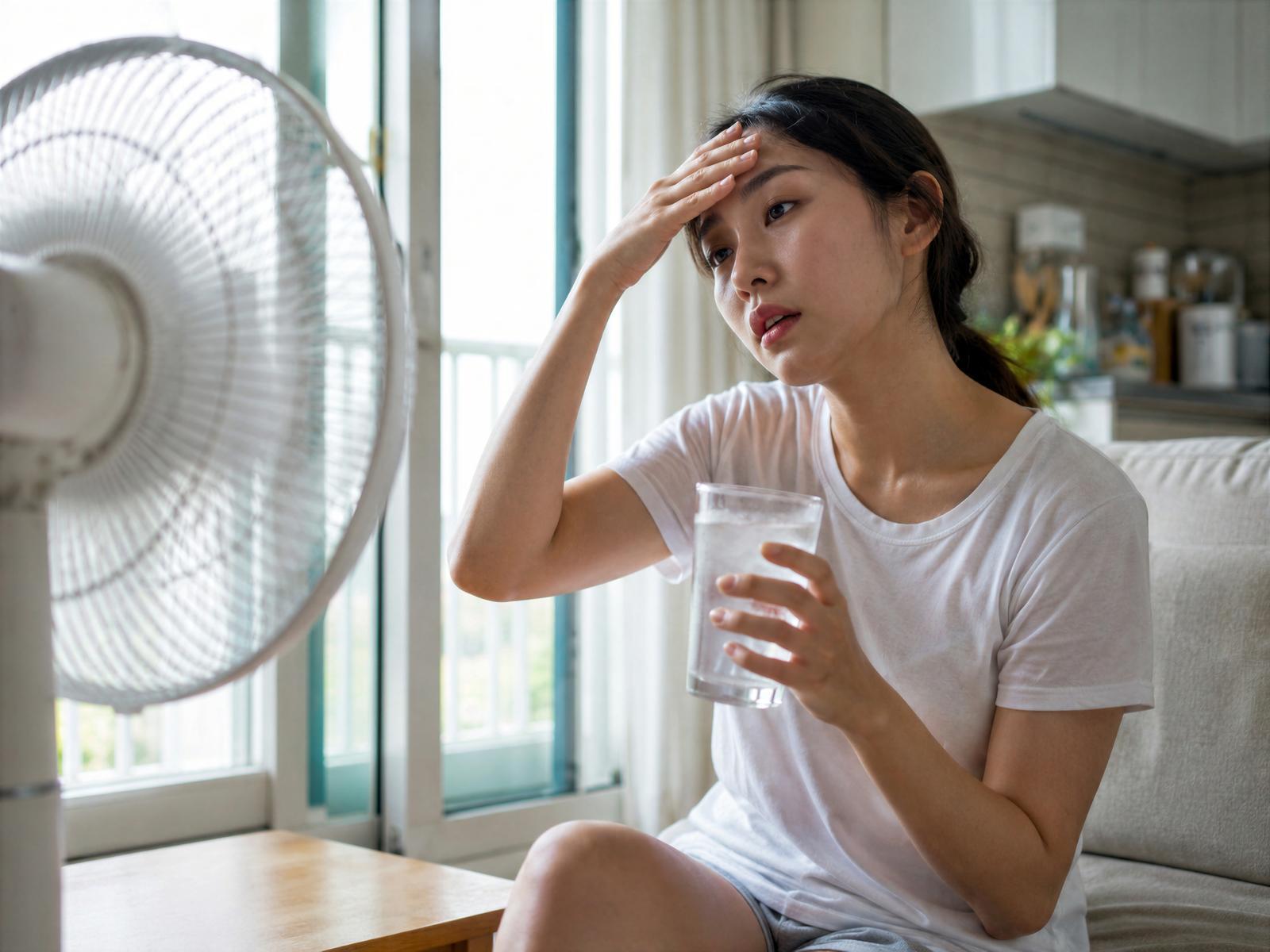
Notably, the WHO advises caution with fan usage. While fans can aid in cooling when temperatures are below 40°C, they may increase body temperature if used in conditions exceeding this threshold by circulating hot air. The organization suggests using air conditioning set around 27°C in conjunction with a fan to lower perceived temperature by approximately 4°C while potentially reducing cooling costs by up to 70%. Maintaining adequate hydration is crucial; the WHO recommends drinking about a glass of water every hour, even without feeling thirsty, aiming for 2-3 liters daily. Wearing loose, light-colored clothing and using cool showers or damp cloths can also help regulate body temperature. The WHO stresses that heat-related illnesses are preventable through personal vigilance, monitoring heat advisories, and checking on vulnerable individuals.
DistantNews Editorial
Originally published by Dong-A Ilbo in Korean. Translated, summarized, and contextualized by our editorial team with added local perspective. Read our editorial standards.
More Stories


From Our Blog

What Gets Lost (and Found) When News Is Translated

The Critical Role of Diaspora Media in Global News

What Travellers Should Know About Countries with Restricted Press

A Digital Nomad's Guide to Following Local News

How the Same Story Looks Different in Different Countries
