


Who owns South Africa’s wildlife? Hunting quotas quietly rewrite the biodiversity compact
Translated from English and summarized by DistantNews. Read the original for the full story.
At a glance
Opinion
Documents & data
New plan
- South Africa published 2026 and 2027 CITES export quotas allowing trophies from up to 150 elephants annually, alongside black rhino and leopard quotas.
- The leopard quota appeared three days after a draft national conservation strategy was released for public comment, prompting criticism of the timing and public participation process.
- The article links the quotas to broader policy changes and questions whether wildlife held in public trust is being transferred toward private commercial interests.
South Africa’s wildlife policy is being rewritten quietly, the article argues, not through one dramatic announcement but through government notices, regulatory amendments and decisions described as technical administration. Taken together, those changes raise a stark question: is the country’s biodiversity becoming a private commercial asset for privileged landowners and foreign trophy hunters?
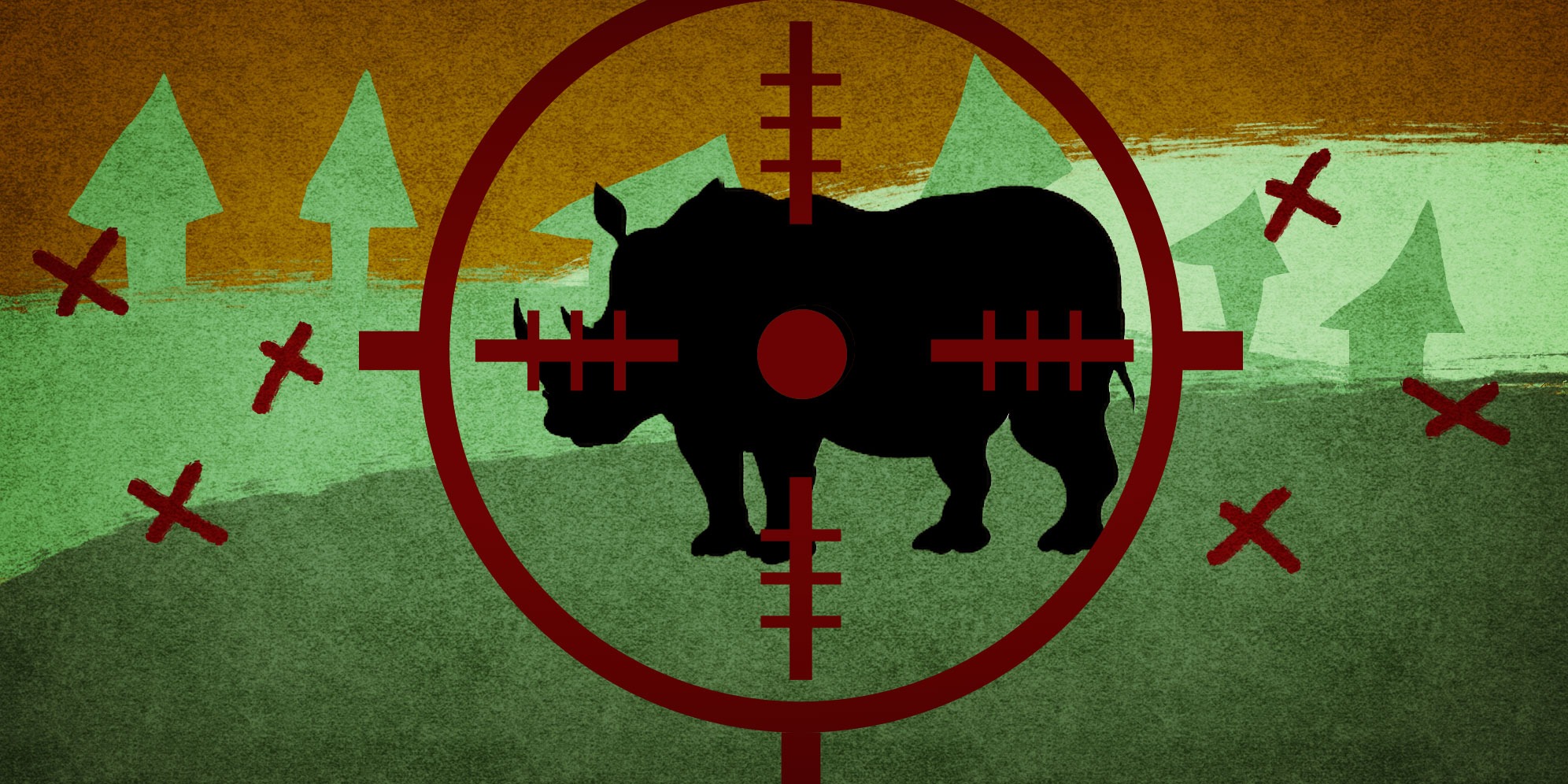
The latest development came on 31 August 2026, when the government published Government Notice 7867 in the Government Gazette. The notice set CITES export allocations for elephant, rhinoceros and leopard hunting trophies for 2026 and 2027. It allows exports from up to 150 elephants a year, while the black rhino quota stands at 11 trophies in each year. The leopard quota allows 11 trophies in 2026 and 10 in 2027.
The article says the reductions from the February proposal, which called for 12 black rhino and 11 leopard trophies in each year, are not the central issue. The deeper question is what evidence supports any quota. The timing of the leopard decision is presented as especially troubling. Authorities released the draft National Leopard Conservation Strategy and Action Plan for public comment on 28 August, then published the hunting quota three days later. The article characterizes that sequence as evidence that public participation had become “theatre,” with conservation consultation presented for show while commercial allocations proceeded.
The animals involved are among South Africa’s most recognizable and threatened species. The black rhino remains one of the world’s most threatened rhino species, while leopard populations are difficult to quantify confidently and have declined for decades, the article says. It places the quotas within a wider eight-month pattern that includes renewed movement toward trophy-export quotas and an apparent shift in the state’s position on litigation over welfare provisions in wildlife use and hunting. The article says the government effectively failed to oppose the hunting industry’s Constitutional Court challenge to those provisions.
About this summary
Originally published by Daily Maverick in English. Translated, summarized, and contextualized automatically by DistantNews, with a note on how the source frames the story. Not individually reviewed before publishing. How this works.
More Stories


From Our Blog

News in Translation: What Gets Lost, and How We Keep the Framing

Diaspora Media: How Communities Follow News From Home

Traveling Where the Press Is Not Free: How to Read the News There

The Digital Nomad's Guide to Local News

The Same Story, Different Countries: How Coverage Changes at the Border
