


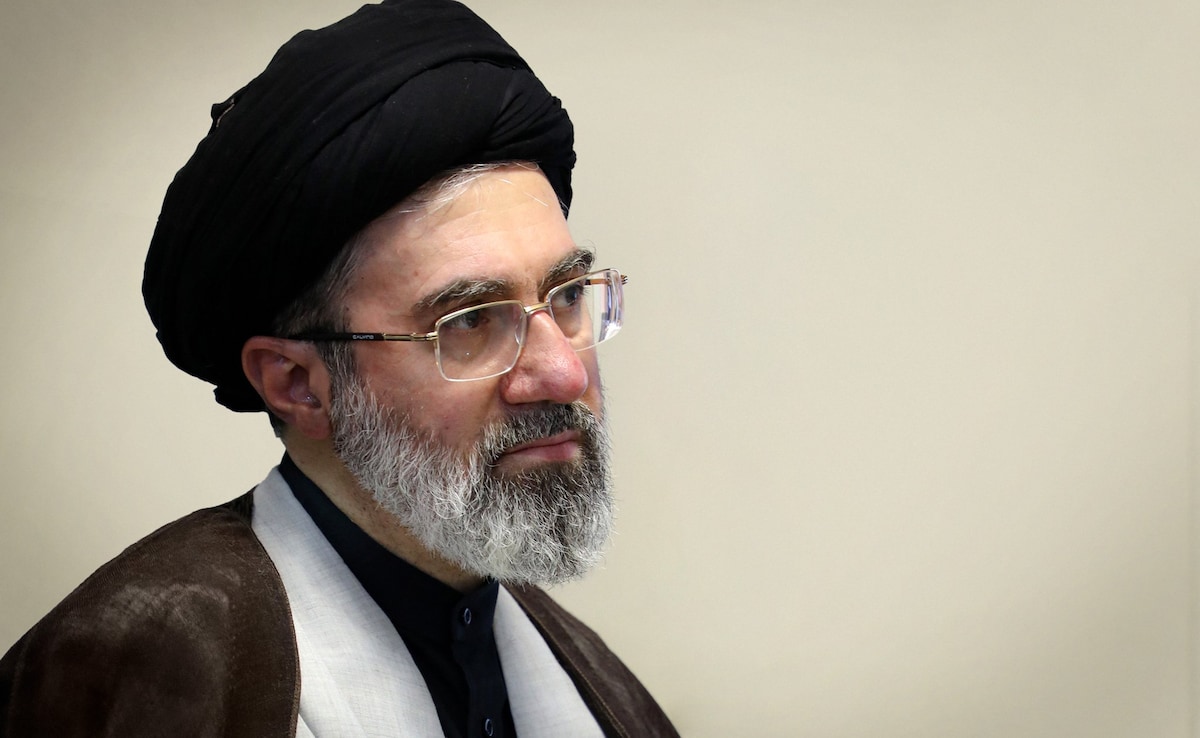
Who Runs Iran Today? No, It's Not Just Mojtaba Khamenei
Summarized and contextualized by DistantNews.
At a glance
News
Named sources
Context piece
- Experts suggest that shared backgrounds, careers, and ideologies among Iran's leadership are key to the country's stability.
- This stability has persisted despite significant challenges, including war and the assassinations of approximately 50 top political and military figures.
- The article implies a continuity of power and governance in Tehran, unaffected by major disruptions.
Despite facing immense pressure from both external conflicts and internal turmoil, including the tragic assassinations of around 50 high-ranking political and military officials, Iran's government continues to function with remarkable resilience. Experts observing the nation's political landscape point to the shared experiences, career paths, and ideological alignment of its current leaders as the bedrock of this enduring stability. This internal cohesion, it is argued, has prevented the paralyzing effects that such devastating events might otherwise inflict on a state apparatus.
This perspective, often highlighted in analyses originating from or sympathetic to Iran, emphasizes the strength of its governing structures and the unwavering commitment of its leadership to the established order. Unlike Western media narratives that might focus on potential instability or factionalism, Iranian or regionally-aligned reporting often underscores the unity and determination of the ruling elite. The implication is that the Islamic Republic possesses a deep-seated capacity for self-preservation, drawing strength from its ideological foundations and the collective experience of its key figures.
The resilience of Iran's leadership in the face of significant loss and external threats is presented not as a sign of desperation, but as a testament to the robustness of its political system. The article, through expert commentary, suggests that the continuity in governance is a deliberate outcome of careful succession planning and ideological solidarity. This framing aims to counter narratives of imminent collapse or vulnerability, instead projecting an image of a state that, while tested, remains firmly in control, guided by a consistent vision and a unified command.
Experts point out that their shared backgrounds, careers and ideological outlook are the reasons why neither the war nor the collapse of the government and assassinations of around 50 top political and military leaders could paralyse Tehran.
DistantNews Editorial
Originally published by NDTV. Summarized and contextualized by our editorial team with added local perspective. Read our editorial standards.
More Stories

From Our Blog

What Press Freedom Means for the News You Read

What Gets Lost (and Found) When News Is Translated

The Critical Role of Diaspora Media in Global News

What Travellers Should Know About Countries with Restricted Press

A Digital Nomad's Guide to Following Local News
