

WHO unveils $518 million Ebola plan for DRC
Summarized and contextualized by DistantNews.
At a glance
News
Named sources
Ongoing story
- The WHO has launched a $518 million plan to combat Ebola in the Democratic Republic of Congo (DRC) from June to November 2026.
- WHO Director-General Tedros Adhanom Ghebreyesus met with DRC President Felix Tshisekedi to discuss the outbreak and response efforts.
- The plan emphasizes political commitment, sustained financing, community engagement, and strengthening health systems, while warning against travel or trade restrictions.
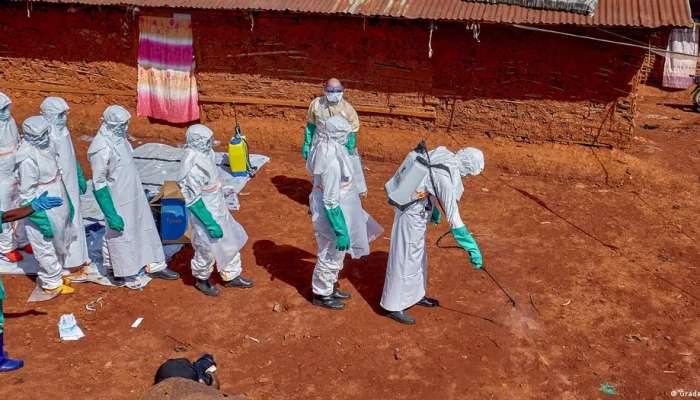
The World Health Organization (WHO) has unveiled a comprehensive $518 million plan to contain the Ebola outbreak in the Democratic Republic of Congo (DRC), covering the period from June to November 2026. The initiative, developed in collaboration with the Africa CDC and partners like UNICEF, UNHCR, WFP, IFRC, and FINDdx, underscores the critical need for strong political commitment, sustained financing, and active community engagement.
Containing #Ebola depends on political commitment, sustained financing, and the trust and engagement of communities. @AfricaCDC and @WHO have launched a Continental Preparedness and Response Plan that is estimated at US$518 million for June-November 2026, with partners including@UNICEF,@Refugees,@WFP,@ifrc and @FINDdx.
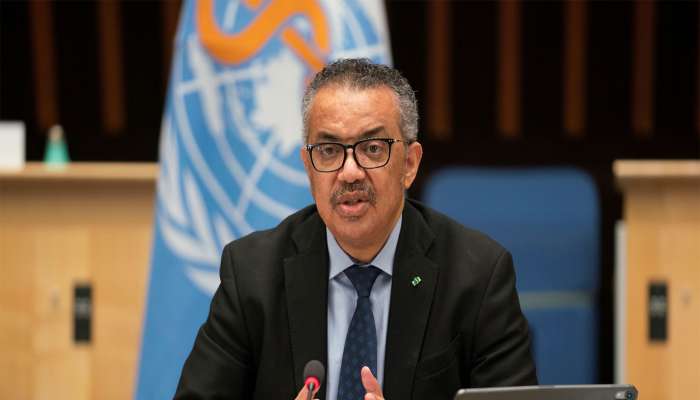
WHO Director-General Tedros Adhanom Ghebreyesus recently held a constructive meeting with DRC President Felix Tshisekedi. They discussed the ongoing outbreak caused by the Bundibugyo virus, particularly in Bunia, the hardest-hit province. Ghebreyesus briefed the President on the progress in scaling up diagnostics and treatment, including the establishment of an Ebola treatment center by WHO, which has since been handed over to local health authorities.
Both leaders agreed that community mobilization is paramount to stopping the outbreak. This includes engaging local leaders and networks, ensuring safe and dignified burials, reinforcing infection prevention measures, and encouraging early treatment-seeking behavior. The recovery of patients and their return home serves as proof that early intervention saves lives, reinforcing the urgency to reach everyone needing care.
Earlier this week, I had a constructive meeting with #DRC President Felix Tshisekedi on the #Ebola outbreak caused by the Bundibugyo virus. I briefed him on my visit last weekend to Bunia, the hardest-hit province, and on our progress scaling up diagnostics and treatment, including an Ebola treatment center built by @WHO and handed over to health authorities.
Furthermore, they stressed the importance of not neglecting essential health and humanitarian services while fighting Ebola. Ghebreyesus praised the extraordinary dedication of DRC's frontline health workers, emphasizing the necessity of their proper support. He called upon the international community to back the DRC-led response with coordinated support and resources, cautioning against travel or trade measures that could impede efforts. The WHO pledged to remain committed until the outbreak ends, aiming to leverage this emergency to build a stronger national health system.
We agreed: stopping this outbreak depends on communities. That means mobilizing local leaders and networks, ensuring safe and dignified burials, strengthening infection prevention, and helping people with symptoms seek care early, when it can save lives. Encouragingly, patients have already recovered and returned home, proof that early treatment works and a reminder of why we must reach every person who needs care. We also agreed that even as we fight Ebola, essential health and humanitarian services must not be neglected, and need the right attention. I praised DRC's frontline health workers, whose dedication is extraordinary, and stressed that they must be properly supported to do their jobs. At this critical moment, the international community must back the DRC-led response with coordinated support and real resources. And it must not impose travel or trade measures that only hinder it. @WHO will stay the course until this outbreak ends, and we will use this emergency to build a stronger health system across the country.
DistantNews Editorial
Originally published by Times of Oman. Summarized and contextualized by our editorial team with added local perspective. Read our editorial standards.
More Stories

From Our Blog

What Gets Lost (and Found) When News Is Translated

The Critical Role of Diaspora Media in Global News

What Travellers Should Know About Countries with Restricted Press

A Digital Nomad's Guide to Following Local News

How the Same Story Looks Different in Different Countries
