

WHO warns of epidemic risk in Venezuela after double earthquake
Translated from Greek, summarized and contextualized by DistantNews.
At a glance
News
Named sources
Ongoing story
- The WHO warns of an increased risk of epidemics in Venezuela following a major earthquake a week ago.
- Health services are under extreme pressure, with facilities operating beyond capacity due to a surge in injured patients.
- Damaged water and sanitation systems, coupled with population displacement, raise concerns about outbreaks of preventable and vector-borne diseases.
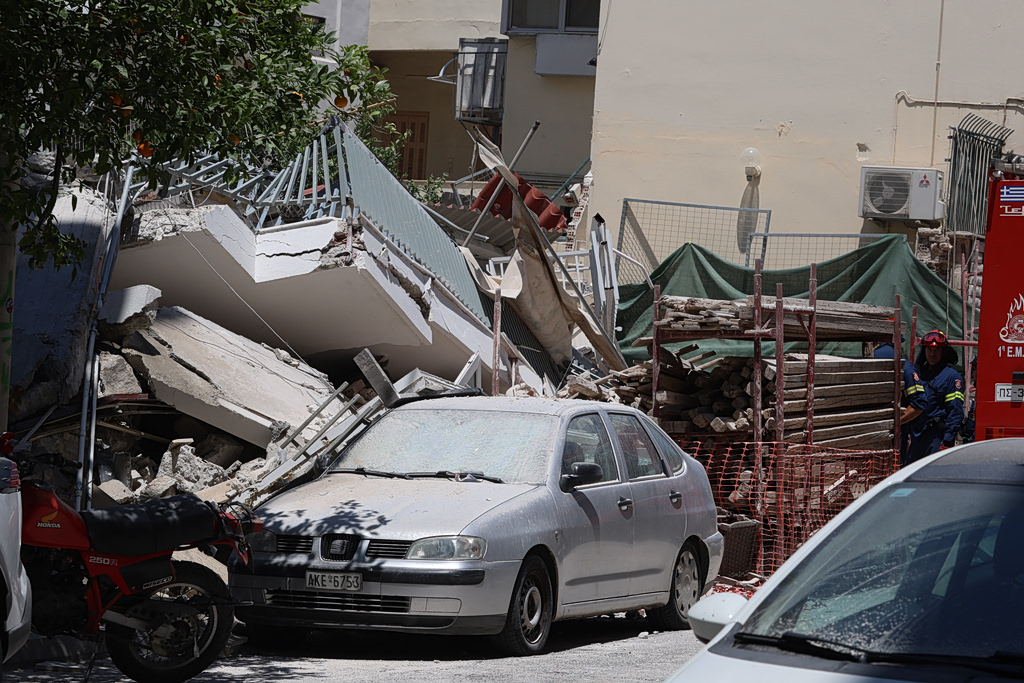
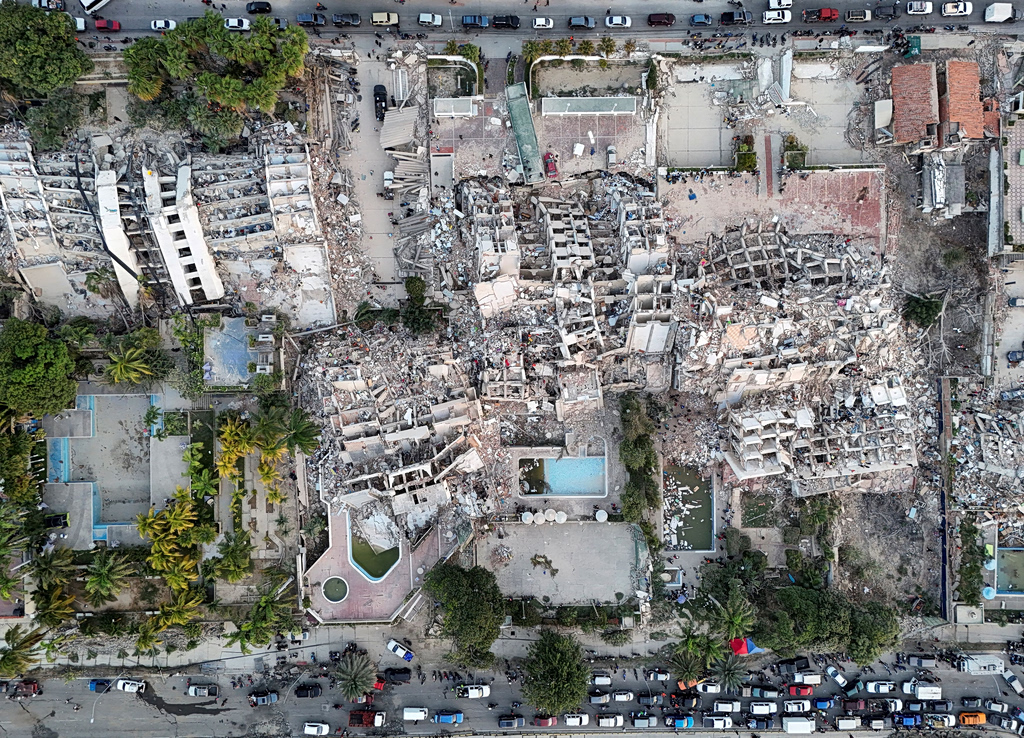
The World Health Organization (WHO) has expressed grave concern over the potential for epidemic outbreaks in Venezuela, a week after the country was struck by a significant earthquake. The organization highlighted the "insufficient" tracking of casualties and missing persons.
Health services are under extreme pressure, with facilities operating beyond their capacity.
"Health services are under extreme pressure, with facilities operating beyond their capacity" due to the massive influx of injured individuals, stated WHO spokesperson Christian Lindmeier at a press conference in Geneva. According to Jorge Rodríguez, president of the National Assembly, the official death toll has reached 1,719, with 5,034 injured. The UN reports that approximately 50,000 people remain unaccounted for.
Lindmeier cautioned that "there is an increased risk of disease outbreaks." Severe problems with water, sanitation, and health systems, combined with the displacement of a large part of the population, could lead to outbreaks of vaccine-preventable diseases such as measles, diphtheria, and whooping cough. The WHO spokesperson also noted that these conditions could foster the spread of vector-borne diseases, like those transmitted by mosquitoes, and water-borne illnesses including yellow fever, dengue fever, chikungunya, Zika, West Nile fever, and malaria.
There is an increased risk of disease outbreaks.
"The country's interim president (Delcy Rodríguez) reported that 38 hospitals have been affected," Lindmeier said. As of June 27, the WHO had gathered reports from 21 health facilities in Caracas, La Guaira, Miranda, and Falcón. Three of these facilities are in critical condition, six have structural damage or are partially operational, while the rest are functioning with significant limitations, according to the WHO representative. Initial assessments reveal severe difficulties in providing patient care, with overcrowded hospitals, long waiting lists for surgeries, particularly in trauma orthopedics and neurosurgery, shortages in biosecurity measures, and extreme pressure on medical staff.
The country's interim president (Delcy Rodríguez) reported that 38 hospitals have been affected.
DistantNews Editorial
Originally published by Ta Nea in Greek. Translated, summarized, and contextualized by our editorial team with added local perspective. Read our editorial standards.
More Stories
From Our Blog

What Gets Lost (and Found) When News Is Translated

The Critical Role of Diaspora Media in Global News

What Travellers Should Know About Countries with Restricted Press

A Digital Nomad's Guide to Following Local News

How the Same Story Looks Different in Different Countries
