

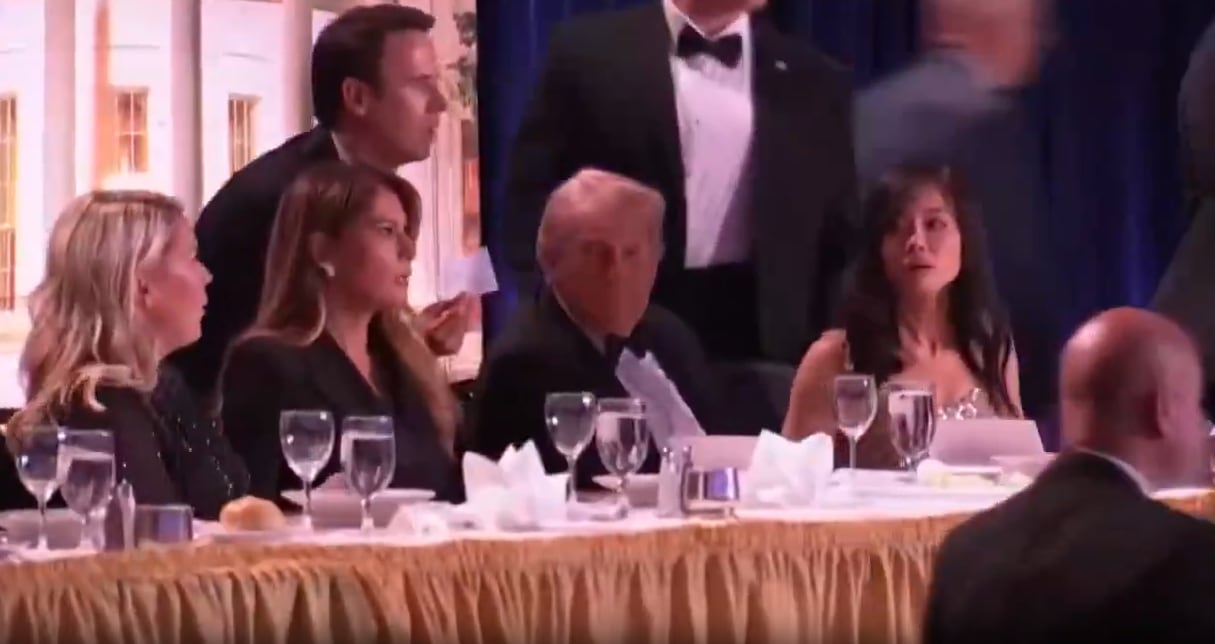

Who will be the next Orbán? European leaders place their bets
Translated from Spanish, summarized and contextualized by DistantNews.
TLDR
- European Union leaders agreed to a €90 billion loan for Ukraine after Hungary's veto was overcome.
- Polish Prime Minister Donald Tusk noted the absence of Russian representatives during a key EU summit.
- The departure of Viktor Orbán from Hungary's leadership is seen as a significant blow to the 'reactionary international,' but concerns remain about potential successors.
The recent informal summit of the European Union in Cyprus marked a significant moment, with leaders finally unlocking a €90 billion loan for Ukraine. This breakthrough came after Hungary's veto was overcome, a development that Polish Prime Minister Donald Tusk wryly noted as a moment where, "For the first time in years, there were no Russians in the room." This sentiment, however, was fleeting, as Tusk quickly encountered Slovakia's pro-Moscow Prime Minister Robert Fico, underscoring that the ideological battles within the EU are far from over.
For the first time in years, there were no Russians in the room.
The defeat of Viktor Orbán in Hungary was hailed by some as a serious setback for the "reactionary international." The Bratislava newspaper Dennik N declared that Robert Fico "has been left alone" following Orbán's loss, suggesting it was a "hard blow" from which the Slovakian prime minister might not recover. Like Orbán, Fico has drawn criticism for his frequent use of vetoes to extract concessions. However, the article points out a subtle difference: while both leaders are obstructionist, Fico tends to keep communication channels open for compromise, whereas Orbán often seemed content with deadlock.
Robert Fico has been left alone.
From a Central European perspective, the political landscape is shifting. The Czech Republic's Foreign Minister Petr Macinka admitted his government had "lost an ally within the European Union" with Orbán's diminished influence. The article also mentions Andrej Babiš, a close associate of Orbán and co-founder of the nationalist group "Patriots for Europe," who has shown reservations about supporting Ukraine's war effort and a willingness to approach Russia. This highlights a persistent undercurrent of skepticism towards deeper EU integration and strong support for Ukraine among certain political factions in the region, a viewpoint often at odds with the prevailing sentiment in Western European capitals.
it was a hard blow from which (the Slovakian prime minister) might not recover.
DistantNews Editorial
Originally published by La Nación in Spanish. Translated, summarized, and contextualized by our editorial team with added local perspective. Read our editorial standards.
More Stories

From Our Blog

What Gets Lost (and Found) When News Is Translated

The Critical Role of Diaspora Media in Global News

What Travellers Should Know About Countries with Restricted Press

A Digital Nomad's Guide to Following Local News

How the Same Story Looks Different in Different Countries
