


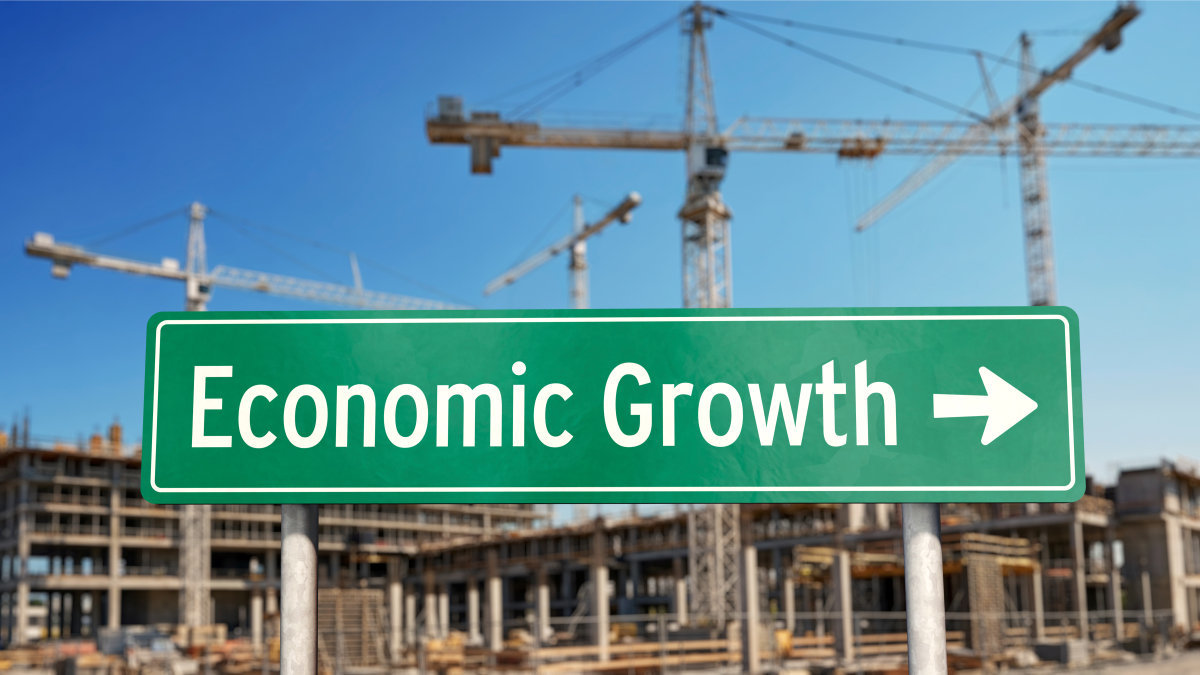
Why advocate for growth? To help the poor live better lives.
Translated from Korean, summarized and contextualized by DistantNews.
At a glance
Analysis
Named sources
Context piece
- The article explores the fundamental reasons behind advocating for economic growth over welfare, challenging the notion that growth proponents are selfish.
- It argues that economic growth is essential for improving the lives of the poor, citing historical examples of countries that prioritized welfare without growth, leading to economic decline.
- The piece suggests that current education systems may fail to adequately explain the rationale for economic growth, potentially leading students to view growth advocates negatively.
The debate between prioritizing welfare versus economic growth often leads to the assumption that growth advocates are inherently selfish or uncaring towards the poor. However, this perspective overlooks the core argument that sustainable economic growth is the most effective means to uplift impoverished populations and improve overall societal well-being.
If you only emphasize welfare, you end up like Argentina or Venezuela, where all your surplus money disappears.
Proponents of economic growth argue that it creates the necessary conditions for widespread prosperity. Unlike welfare systems, which redistribute existing wealth, economic growth expands the overall economic pie, generating more resources that can then be used to support social programs and improve living standards. The article posits that focusing solely on welfare without corresponding growth can deplete a nation's resources, leading to economic stagnation or decline, as seen in countries like Argentina and Venezuela, which, despite initial wealth and welfare programs, faced severe economic hardship due to a lack of growth.
Historically, thinkers like Adam Smith in "The Wealth of Nations" emphasized economic growth as a means to national prosperity. The underlying principle is that growth, achieved through mechanisms like market expansion, division of labor, and specialization, ultimately aims to make the populace, including the poor, better off. The argument is not that welfare is unimportant, but that it is most effective and sustainable when built upon a foundation of a growing economy.
The reason why growth proponents advocate for economic growth over welfare is simple. It is because the poor become better off when there is growth.
The article raises concerns about how this nuanced perspective is taught, particularly in educational settings. It suggests that students often understand the goals of welfare advocates, to help the needy, but struggle to grasp the motivations behind advocating for economic growth. This lack of understanding can lead to a skewed perception, where welfare is seen as inherently virtuous and growth as potentially self-serving, when in reality, growth is presented as a strategy for broad-based improvement, especially for the less fortunate.
Economic growth itself cannot be the goal. Economic growth is a means to achieve a more ultimate goal. The ultimate goal is for the people to live better.
Ultimately, the piece advocates for a clearer understanding of economic principles, emphasizing that the pursuit of economic growth is not about enriching the already wealthy but about creating a more prosperous society for all. It suggests that a robust economy provides the resources and opportunities necessary for effective poverty reduction and improved quality of life, making it a critical component of societal progress.
If a poor country emphasizes welfare, the lives of the poor will not improve. Which country's poor live better: a poor country with excellent welfare or a rich country that does not emphasize welfare?
DistantNews Editorial
Originally published by Dong-A Ilbo in Korean. Translated, summarized, and contextualized by our editorial team with added local perspective. Read our editorial standards.
More Stories



From Our Blog

What Gets Lost (and Found) When News Is Translated

The Critical Role of Diaspora Media in Global News

What Travellers Should Know About Countries with Restricted Press

A Digital Nomad's Guide to Following Local News

How the Same Story Looks Different in Different Countries
