


Why are millions of Tajiks unemployed?
Translated from English, summarized and contextualized by DistantNews.
At a glance
News
Named sources
Context piece
- Tajikistan's labor market has grown, but millions of able-bodied residents, particularly women and those in rural areas, remain outside the workforce.
- A 2025 labor force survey reveals a significant increase in people not participating in the labor market over the past 21 years, rising from 1.3 million to 3.8 million.
- Regional disparities exist, with some areas showing higher labor force engagement while others struggle with underutilization, especially in Khatlon region and RRP.
The labor market in Tajikistan presents a complex picture, with official statistics indicating growth yet a substantial portion of the population remaining disengaged from work. Asia-Plus reports on the findings of the 2025 labor force survey, highlighting that while the working-age population and the labor force have increased over the past two decades, the number of people *not* participating in the labor market has surged dramatically.
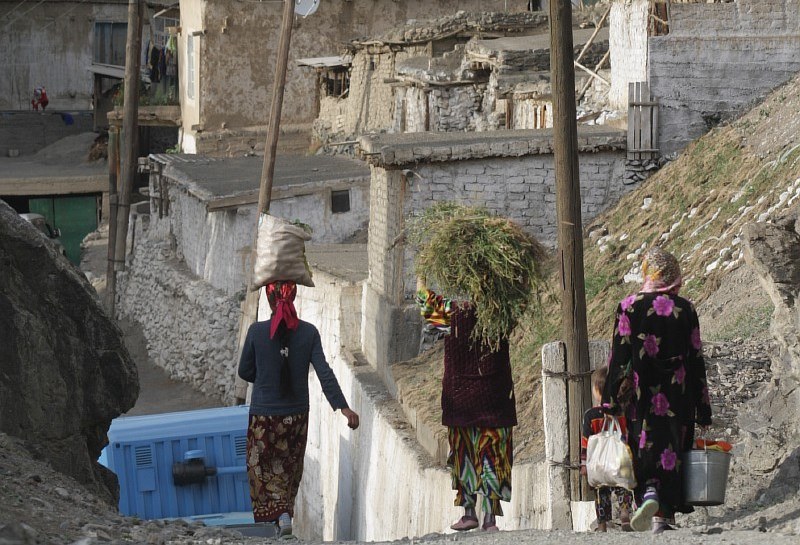
This surge, from approximately 1.3 million in 2004 to a staggering 3.8 million by 2025, is a critical concern. The survey underscores a significant gender disparity, with women disproportionately remaining outside the labor market. Furthermore, the data reveals a strong rural concentration of both the population and the labor force, with over 70% residing in rural areas. This geographical concentration means that employment challenges and underutilization of labor potential are particularly acute in regions like Khatlon and the Rasht Valley (RRP), despite these areas having the largest working-age populations.
From a Tajik perspective, these figures point to deep-seated structural issues within the economy. The growth in the labor force is not translating into sufficient job creation or participation, especially for women and those in rural communities. The uneven development across regions, with Sughd and GBAO showing higher engagement while Khatlon and RRP lag, suggests a need for targeted regional development strategies. The sheer number of people outside the labor force, exceeding the size of the labor force itself, is a stark indicator that Tajikistan's key labor market challenge has shifted from merely reducing unemployment to actively engaging millions of its citizens, particularly women and those in underdeveloped regions, in productive economic activity. This is not just an economic issue; it's a social imperative for the nation's development.
DistantNews Editorial
Originally published by Asia-Plus in English. Translated, summarized, and contextualized by our editorial team with added local perspective. Read our editorial standards.
More Stories


From Our Blog

What Gets Lost (and Found) When News Is Translated

The Critical Role of Diaspora Media in Global News

What Travellers Should Know About Countries with Restricted Press

A Digital Nomad's Guide to Following Local News

How the Same Story Looks Different in Different Countries
