

Why Books for Babies? Csirimojó Kiadó Revives Central European Children's Literature
Translated from Hungarian, summarized and contextualized by DistantNews.
At a glance
In-depth
Sources not specified
Context piece
- Csirimojó Kiadó focuses on publishing children's books from Central European countries, aiming to reintroduce regional literature to Hungarian readers.
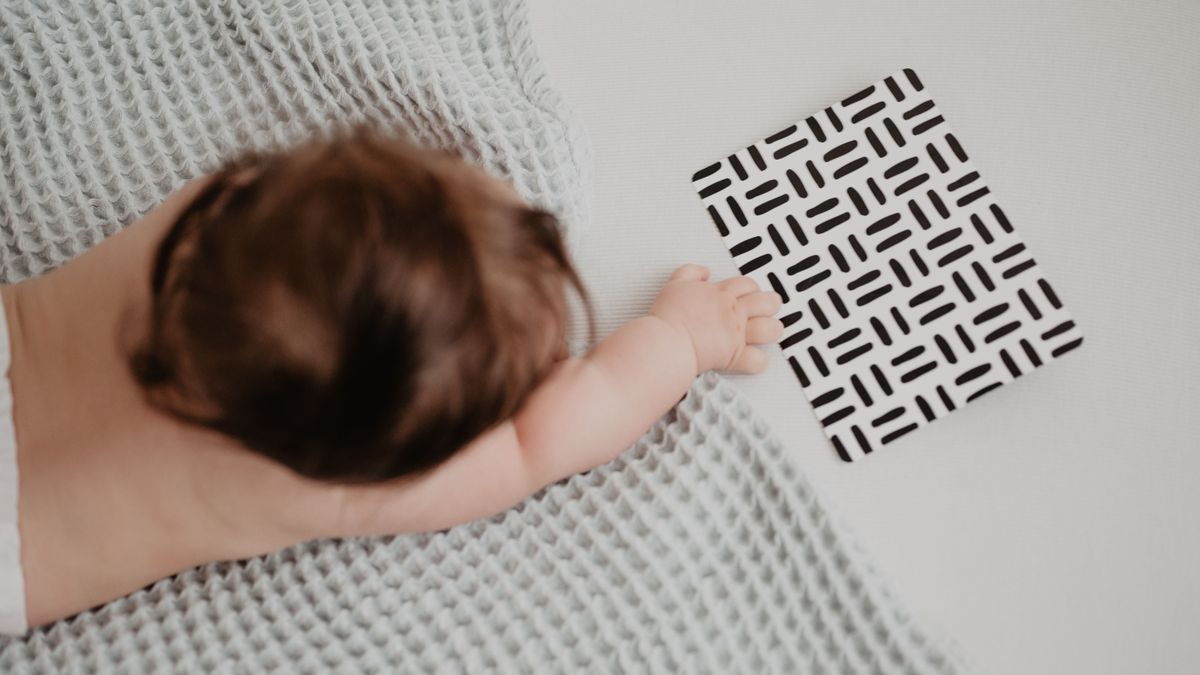
- The publisher emphasizes the importance of visual elements like illustrations and book design, viewing books as objects to be cherished, not just text.
- Csirimojó Kiadó also organizes literature therapy sessions, discovering that their books can serve as conversation starters and tools for self-discovery for adults.
Csirimojó Kiadó is dedicated to reviving Central European children's literature in Hungary, a gap identified by its founders who grew up immersed in the region's culture. "We grew up in a Czech-Slovak-Hungarian cultural environment, and as translators, I was also familiar with contemporary literature," said Flóra Peťovská, the art director. "So, day by day, I faced the fact that there is a gap in the Hungarian book market."
For us, visuality is almost always the first impression. The illustration, graphic design, typography, paper quality, or even the binding solution of a book are just as important as the story itself.
The publisher views books not merely as text but as tangible objects. "For us, visuality is almost always the first impression. The illustration, graphic design, typography, paper quality, or even the binding solution of a book are just as important as the story itself," Peťovská explained. This meticulous attention to visual appeal extends to selecting books with multiple layers, akin to an onion, offering new discoveries with each reading.
We grew up in a Czech-Slovak-Hungarian cultural environment, and as translators, I was also familiar with contemporary literature. So, day by day, I faced the fact that there is a gap in the Hungarian book market.
This focus on visual quality led Csirimojó Kiadó to rediscover Central European children's literature. Peťovská noted that while Czech and Polish children's books have strong traditions in illustration and design, they rarely reached Hungarian readers after the fall of communism. The publisher's mission, born from this realization, is to share these cultural treasures. "We joined forces, formed an association, and were guided not by business considerations in publishing, but by the desire to introduce this cultural value to domestic readers," she said.
We joined forces, formed an association, and were guided not by business considerations in publishing, but by the desire to introduce this cultural value to domestic readers.
Reader feedback indicates a strong demand for these unique books. "They love them not because they are Slovak or Polish, but because they dare to be different: they tackle more special themes, create a unique visual world, and often represent a completely different perspective than what is common in Hungary," Peťovská added. The publisher also organizes literature therapy sessions, finding that many of their children's books offer profound insights and serve as excellent starting points for self-reflection for adults.
They love them not because they are Slovak or Polish, but because they dare to be different: they tackle more special themes, create a unique visual world, and often represent a completely different perspective than what is common in Hungary.
DistantNews Editorial
Originally published by Magyar Nemzet in Hungarian. Translated, summarized, and contextualized by our editorial team with added local perspective. Read our editorial standards.
More Stories


From Our Blog

Countries Without a Free Press: What You Need to Know

What Press Freedom Means for the News You Read

What Gets Lost (and Found) When News Is Translated

The Critical Role of Diaspora Media in Global News

What Travellers Should Know About Countries with Restricted Press
