

Why Crimea could decide the war's fate and why Putin's control is eroding
Translated from Romanian, summarized and contextualized by DistantNews.
At a glance
Analysis
Named sources
Context piece
- Vladimir Putin's control over Crimea is weakening due to intense military and logistical pressure, according to military expert Hamish de Bretton-Gordon.
- Ukraine's frequent drone and missile strikes within Russian territory, including near Moscow, expose vulnerabilities in Russia's air defense system.
- Crimea, once a strategic gain for Putin, is becoming a burden with visible effects of the war, including population departures and infrastructure problems.
Vladimir Putin's grip on Crimea is showing signs of fragility, facing increasing military and logistical pressure, according to an analysis by military expert Hamish de Bretton-Gordon published in The Telegraph. The peninsula, illegally annexed by Russia in 2014 and hailed by the Kremlin as a symbol of Putin's ambitions to restore Russian influence, is increasingly becoming a liability rather than a strategic asset.
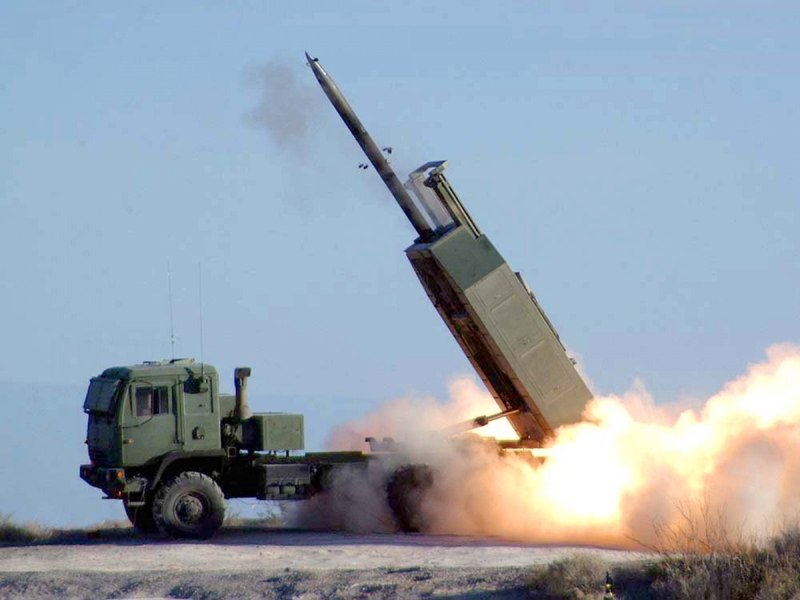
Ukraine's intensified campaign of drone and missile strikes deep inside Russian territory, reaching as far as Moscow, has exposed significant vulnerabilities in Russia's air defense capabilities. These attacks are not confined to the front lines; they are increasingly impacting areas previously considered secure, demonstrating a shift in the conflict's dynamics. The effects of the war are becoming more apparent in Crimea itself, a region once celebrated as a popular Black Sea tourist destination. Reports indicate a growing exodus of its population and an atmosphere of uncertainty, transforming what was presented as a major strategic victory into a significant challenge for the Kremlin.
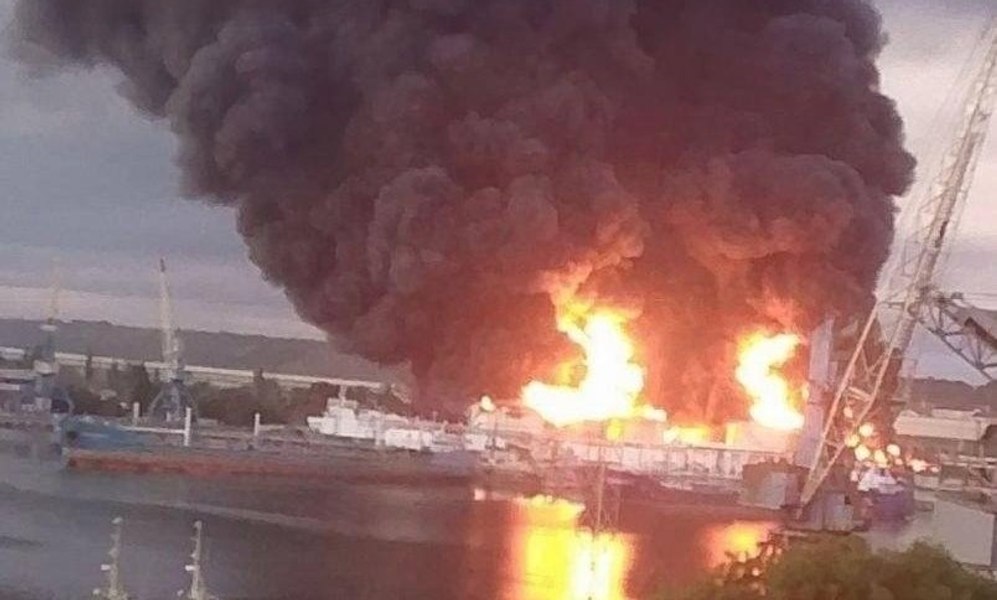
The analysis suggests Putin's position is more vulnerable now than at any point since the full-scale invasion of Ukraine began. The Russian authorities' acknowledgment of the gravity of the situation in Crimea, with measures described as akin to martial law, signals a notable political and military setback. Infrastructure problems, including fuel shortages and power outages, are exacerbating the difficulties. Sevastopol, a key base for the Russian Black Sea Fleet, has been heavily impacted by Ukrainian strikes, diminishing its military significance. The long queues at the peninsula's exit points further suggest that many residents no longer perceive Crimea as a secure location, especially with disruptions to the supply of essential goods like fuel due to attacks on the so-called "land corridor" through Donetsk and Luhansk regions.
Crimea, initially presented by the Kremlin as definitive proof of Putin's strategic success, now risks becoming a symbol of the failures of the so-called "special military operation." The article references Ukrainian strikes on the Slaviansk refinery and power plants in Crimea, coordinated by the SBU over 40 days. The relatively moderate Western reaction to the 2014 annexation, with many European states reducing their engagement, is contrasted with the current situation, highlighting how the peninsula's strategic value has eroded.
DistantNews Editorial
Originally published by Adevărul in Romanian. Translated, summarized, and contextualized by our editorial team with added local perspective. Read our editorial standards.
More Stories

From Our Blog

What Gets Lost (and Found) When News Is Translated

The Critical Role of Diaspora Media in Global News

What Travellers Should Know About Countries with Restricted Press

A Digital Nomad's Guide to Following Local News

How the Same Story Looks Different in Different Countries
