



Why did Prime Minister Kim suddenly change his stance on abolishing prosecutors' investigation rights?
Translated from Korean, summarized and contextualized by DistantNews.
At a glance
Opinion
Named sources
Context piece
- South Korean Prime Minister Kim initially supported further deliberation on prosecutors' supplementary investigation rights.
- He abruptly announced the government's final decision to abolish these rights, shifting responsibility to the National Assembly.
- Critics question the sudden change in stance, suspecting political motivations linked to party leadership races.
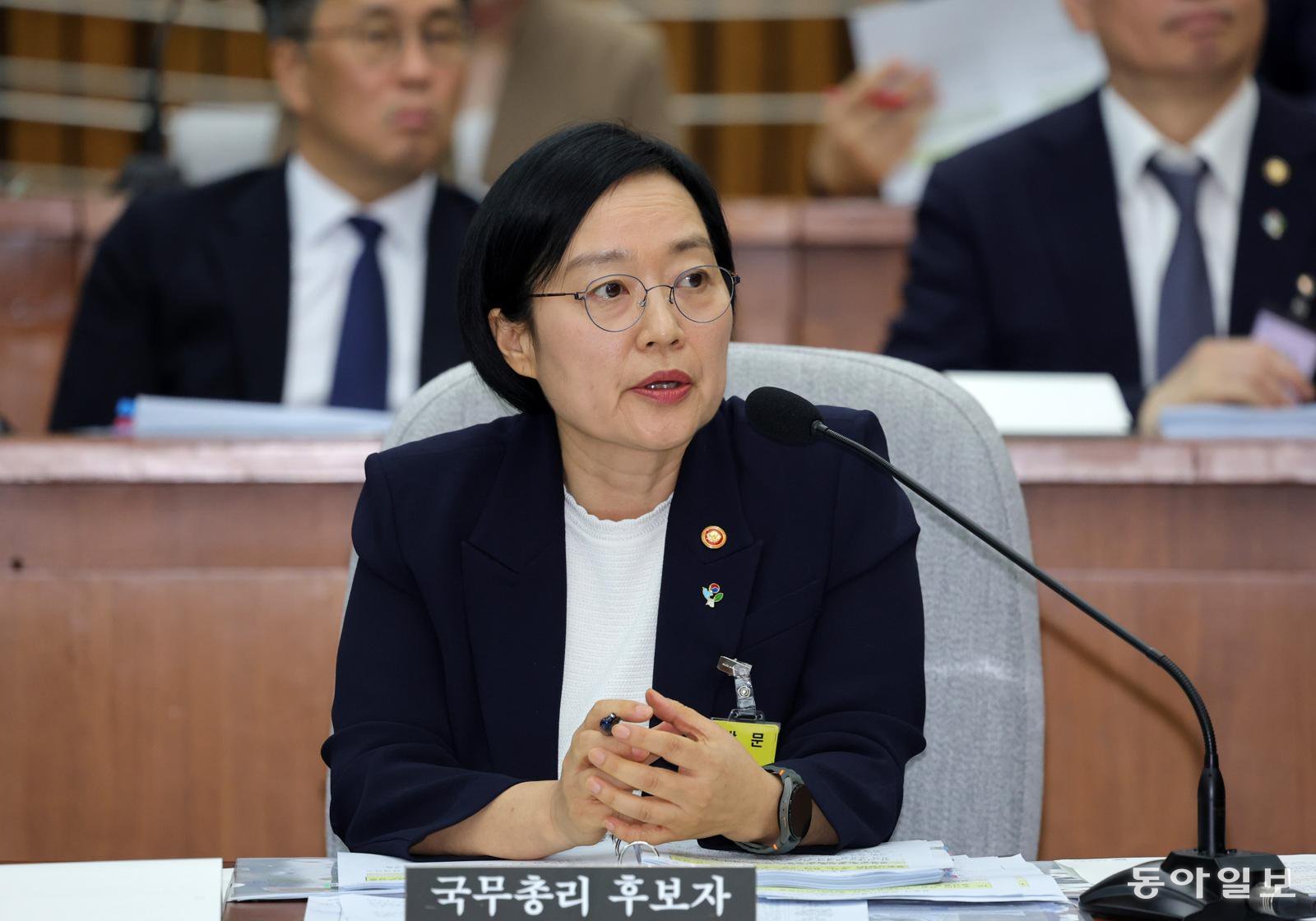
South Korean Prime Minister Kim Seok-ho has abruptly reversed his position on prosecutors' supplementary investigation rights, a key issue in the ongoing judicial reform. Just days after stating that "deliberation is the President's consistent stance," Kim announced on June 25 that the government has finalized its basic position to abolish these rights. He further stated that the government would not submit its own bill to the National Assembly, leaving the legislative process entirely to lawmakers.
The deliberation is the President's consistent stance.
This sudden shift has drawn criticism and confusion, particularly given the Prime Minister's previous emphasis on continued discussion. The government's reform plan, which includes abolishing the Prosecutor's Office and establishing a Public Prosecutors' Office and a Serious Crimes Investigation Agency, passed the National Assembly last September. The core debate since then has centered on whether prosecutors should retain supplementary investigation rights.
While a faction within the Democratic Party has strongly advocated for a complete abolition, President Lee had previously indicated that some supplementary rights might be necessary in exceptional cases. The establishment of a special task force under the Prime Minister's Office in October last year was seen as part of this deliberative process, with the task force aiming to present the government's opinion by June. The Prime Minister's decision to step back now, leaving the matter solely to the National Assembly, is difficult to comprehend.
The supplementary investigation rights of prosecutors have been finally settled as the government's basic position to abolish them.
Legal experts have consistently warned that the complete removal of prosecutors' supplementary investigation rights could lead to cases being buried or result in inadequate investigations and prosecutions. President Lee himself had previously used analogies like "if you dislike the maggots, do you get rid of the earthenware jar?" and warned of future problems if all exceptional cases are blocked.
It is more efficient not to submit a separate government bill for the National Assembly's free discussion.
Critics also point out that Prime Minister Kim failed to address potential side effects of abolishing these rights or propose countermeasures during his announcement. This inconsistency has sparked backlash among advisory committee members, who question the purpose of the task force and the government's budget allocation if the issue is treated as a disposable agenda item. Political observers widely believe Kim's announcement is linked to the upcoming race for the ruling party's leadership, suggesting he felt pressured by the 'pro-abolition' faction's mobilization of hardline party members.
if you dislike the maggots, do you get rid of the earthenware jar?
DistantNews Editorial
Originally published by Dong-A Ilbo in Korean. Translated, summarized, and contextualized by our editorial team with added local perspective. Read our editorial standards.
More Stories


From Our Blog

What Gets Lost (and Found) When News Is Translated

The Critical Role of Diaspora Media in Global News

What Travellers Should Know About Countries with Restricted Press

A Digital Nomad's Guide to Following Local News

How the Same Story Looks Different in Different Countries
