


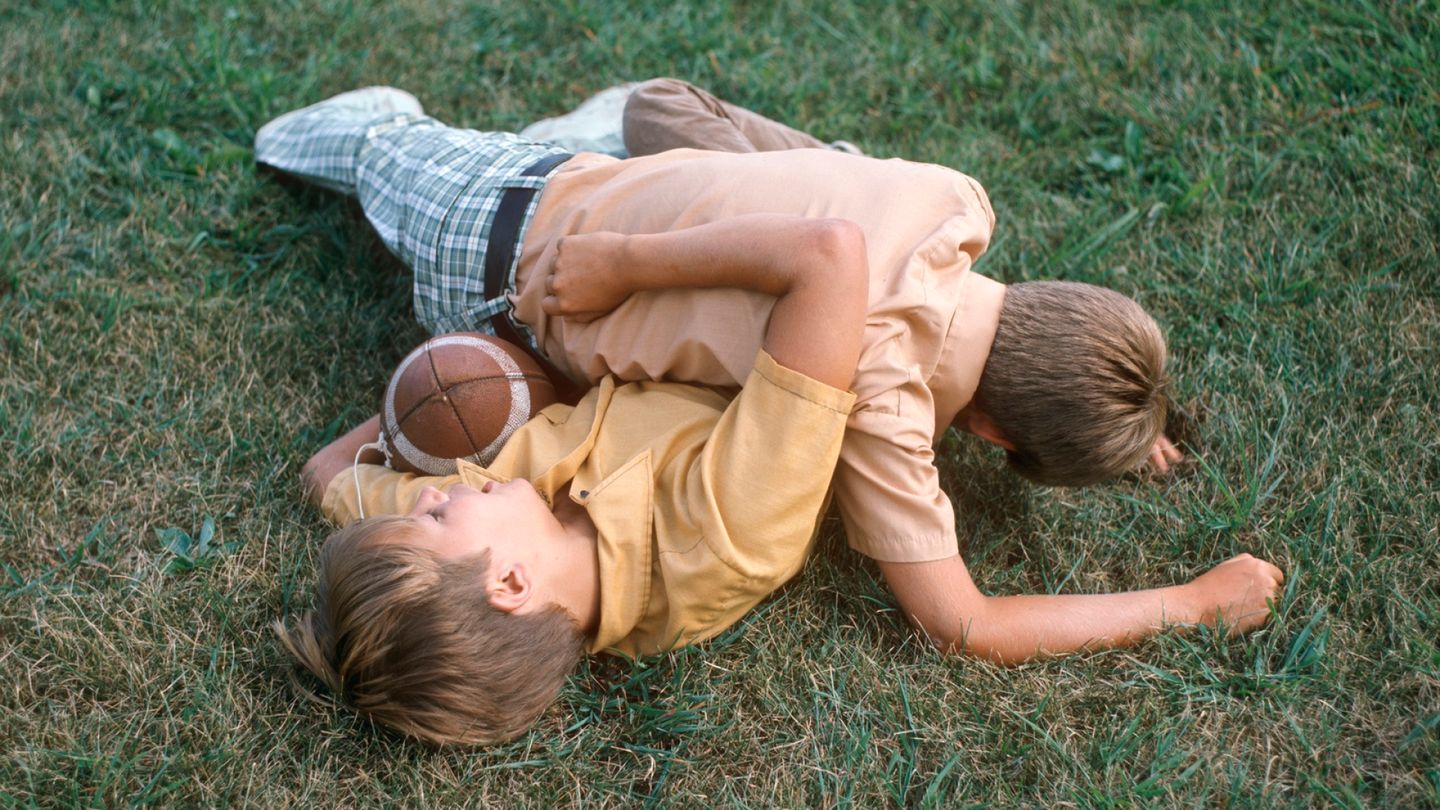
Why do brothers fight so much, even when they love each other?
Translated from Finnish, summarized and contextualized by DistantNews.
At a glance
Explainer
Named sources
Context piece
- Brothers often fight frequently, even when they love each other, a phenomenon explained by the unique nature of sibling relationships.
- Sibling conflict, while sometimes intense, is not the opposite of love but often stems from warmth and care, involving learning to navigate boundaries and share attention.
- These disputes help children learn about sharing, respecting limits, and understanding each other's feelings, with adult guidance being crucial.
- The sibling bond is one of life's longest relationships, and learning to argue and reconcile constructively is a valuable life skill.
Brothers frequently engage in disputes, a common observation that often puzzles parents who know their children love each other. Research indicates that siblings, particularly brothers, tend to squabble more with each other than with their friends. This dynamic is possible because the sibling relationship acts like a rubber band – it stretches and strains but rarely breaks.
Contrary to the idea that fighting signifies a lack of affection, sibling conflicts often arise from a place of warmth and care. Brothers are adept at pushing each other's buttons, triggering laughter one moment and arguments the next. These disputes can be sparked by competition for parental attention, personal space, or possessions.
These conflicts are not entirely detrimental; they serve as a learning ground for essential social skills. Through temporary disagreements, children learn the importance of sharing, considering others' feelings, and establishing personal boundaries. It is vital for them to learn how to articulate their limits and to recognize when their sibling is upset. Mastering the art of arguing and making up in a way that leaves both parties satisfied is a significant developmental achievement.
Adults play a critical role in guiding children through these conflicts, providing support, instruction, and modeling constructive behavior. Fighting should never escalate to bullying or violence. The sibling relationship is unique and often one of the longest-lasting human connections one experiences. Learning to navigate disagreements and offer forgiveness, while also expecting it in return, builds resilience and strengthens this enduring bond. It requires courage, built on a foundation of trust that allows for both conflict and reconciliation.
Se on tärkeää, koska sisarussuhde on ainutlaatuinen. Veljesten välinen suhde on usein yksi elämän pisimmistä ihmissuhteista, joka kestää vauvasta vaariin.
DistantNews Editorial
Originally published by Helsingin Sanomat in Finnish. Translated, summarized, and contextualized by our editorial team with added local perspective. Read our editorial standards.
More Stories



From Our Blog

What Gets Lost (and Found) When News Is Translated

The Critical Role of Diaspora Media in Global News

What Travellers Should Know About Countries with Restricted Press

A Digital Nomad's Guide to Following Local News

How the Same Story Looks Different in Different Countries
