



Why do Finland’s assistant coaches keep changing? The Football Association says it took a deliberate risk
Translated from Finnish and summarized by DistantNews. Read the original for the full story.
At a glance
Analysis
Named sources
Ongoing story
- Finland’s coaching staff has changed repeatedly since Jacob Friis became head coach, including turnover among assistant, goalkeeping and set-piece coaches.
- Analyst Tuukka Kotimäki linked the changes to the recruitment of internationally connected coaches with opportunities abroad.
- Football Association sporting director Aki Hyryläinen said the risk was recognized, but that the team had attracted high-quality staff.
Finland’s men’s national team has seen a rapid turnover of coaching staff since Danish coach Jacob Friis took charge. The changes have reshaped much of the group assembled around him during the opening World Cup qualifying matches against Malta and Lithuania.
The original staff included assistants Lars Stensgaard and Tim Sparv, set-piece coach Sergio Almenara, goalkeeper coach Ville Wallén, fitness coach Joni Ruuskanen and video analyst Henri Lehto. Stensgaard began work in August 2025 because of commitments from his previous roles and missed the first two senior international windows.
There is no need to blame those who have left. You only have to look at the positions Jyri Nieminen has held and where he went. At the same time, it is clear that the turnover is quite extraordinary.
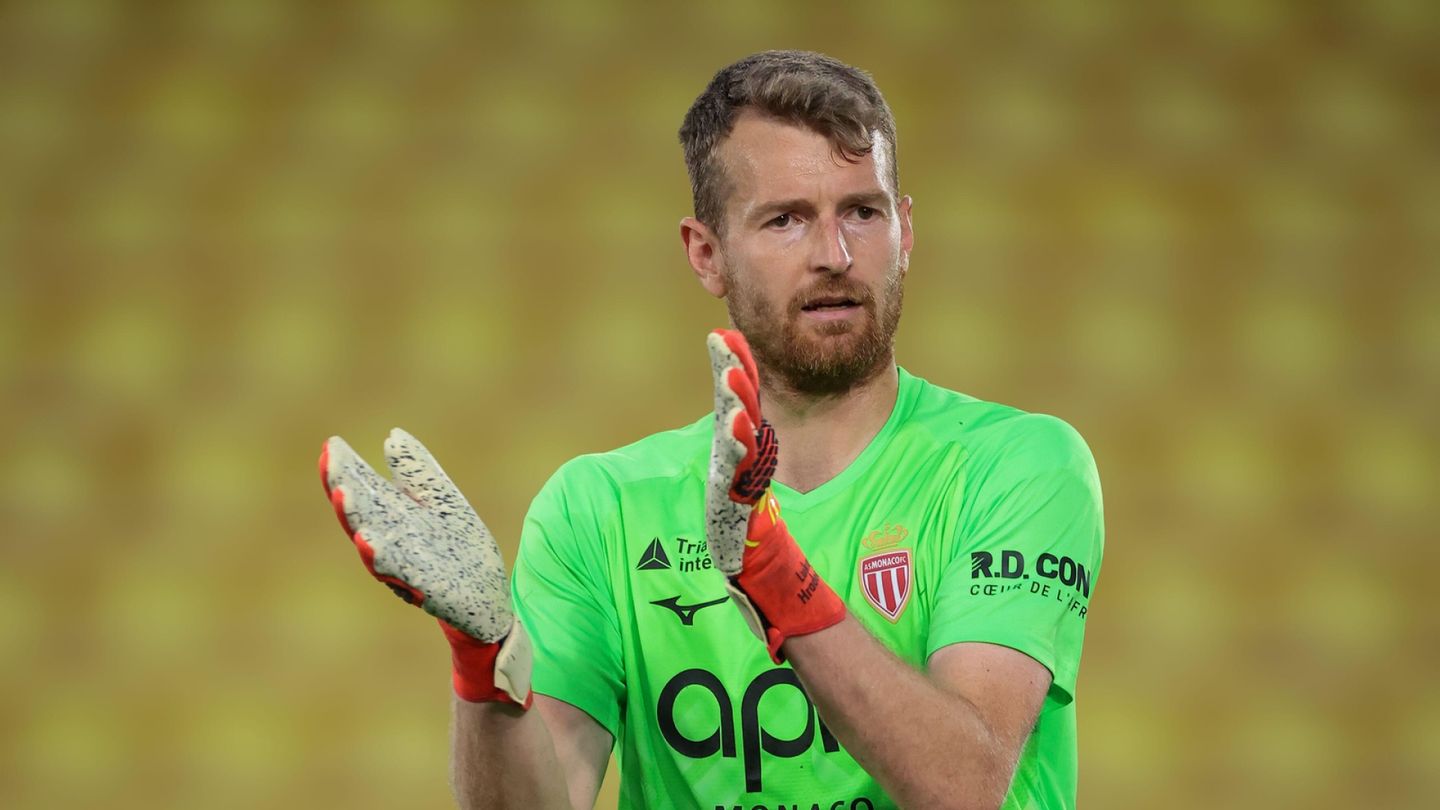
The goalkeeping position changed several times. Jyri Nieminen joined in autumn 2025 after Wallén handled the role in spring and Miika Salmi took it during the summer. Nieminen later left for AC Monaco, with Dennis Neudahm replacing him. Almenara departed for personal reasons in January 2026 and was replaced by Abel Lorincz in summer 2026.
That tells a harsh story about the position of Finland’s senior national team in the international football food chain in 2026. We are seeing a harsh realism in that regard.
Sparv also left in early summer 2026 to join Portugal’s Mafra. Finland replaced him with former Finnish striker Jonatan Johansson. The sequence has prompted football analyst Tuukka Kotimäki to describe the turnover as striking, while stressing that departing coaches should not be blamed.
Kotimäki said the changes reflected Finland’s position in the international football hierarchy. When the Football Association announced Friis’s contract in March 2025, it also made clear that it wanted to overhaul the coaching team. Sparv was retained to provide continuity, but the association also recruited coaches with international-level experience and stronger links to opportunities in foreign leagues.
When Friis’s contract was announced in March 2025, it became clear that the coaching team was to be reshaped vigorously. Tim Sparv was kept to provide continuity, which was a sensible move. Now we are paying the price for wanting to bring in international-level people whose networks and opportunities in foreign leagues are clearly greater. That is why there has been movement.
Aki Hyryläinen, the association’s sporting director, acknowledged the trade-off. Some of the coaches joined while maintaining other jobs, he said, and the association understood that this created a risk. It nevertheless believed it had brought high-quality people into the setup. The supplied article ends during Hyryläinen’s explanation of Sparv’s situation.
Coaches joined while continuing their own roles. It was a recognized risk. We managed to bring in high-quality people.
About this summary
Originally published by Helsingin Sanomat in Finnish. Translated, summarized, and contextualized automatically by DistantNews, with a note on how the source frames the story. Not individually reviewed before publishing. How this works.
More Stories


From Our Blog

News in Translation: What Gets Lost, and How We Keep the Framing

Diaspora Media: How Communities Follow News From Home

Traveling Where the Press Is Not Free: How to Read the News There

The Digital Nomad's Guide to Local News

The Same Story, Different Countries: How Coverage Changes at the Border
