

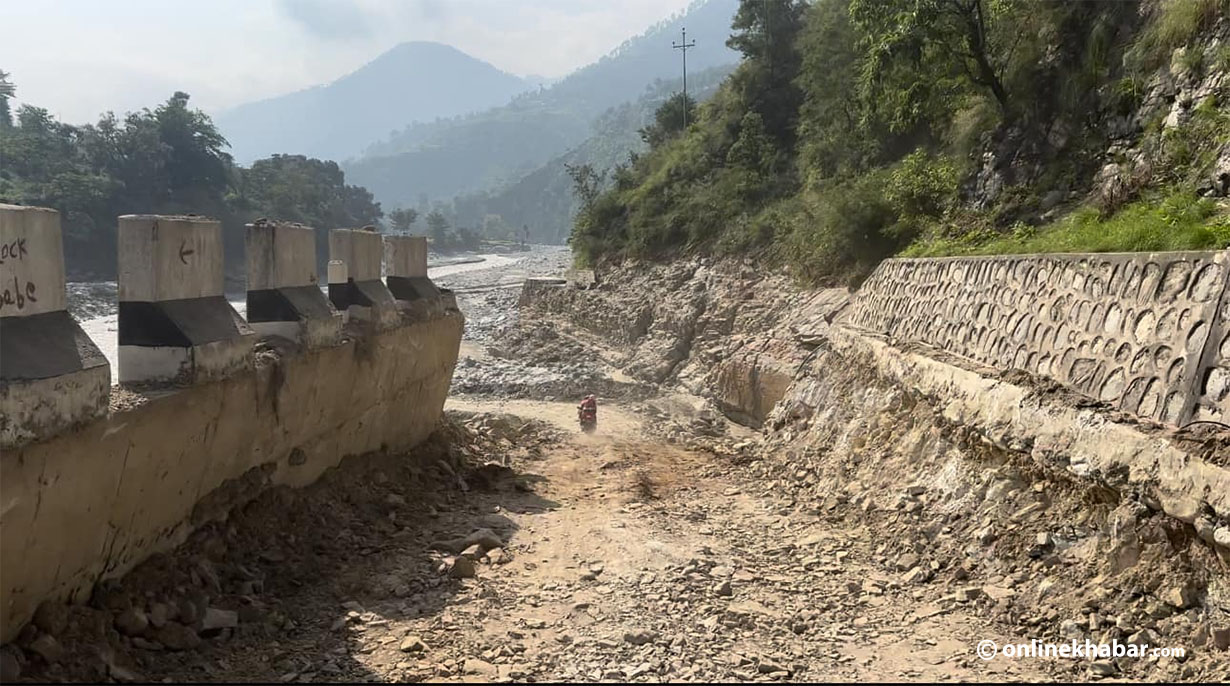
Why do some Nepalis become wealthy while Nepal remains poor?
Summarized and contextualized by DistantNews.
At a glance
In-depth
Sources not specified
Context piece
- Nepal faces a persistent crisis of poverty, unemployment, corruption, and inequality despite its rich culture and resilient people.
- Decades of political transformation have failed to resolve these deep-seated issues.
- The article questions why some Nepalis achieve wealth while the nation struggles with widespread economic hardship.
Nepal, a nation recognized for its rich cultural heritage and resilient populace, grapples with a persistent economic crisis. Despite numerous political transformations over the decades, the country continues to suffer from widespread poverty, high unemployment, pervasive corruption, and deepening inequality. These challenges undermine the nation's potential and create a stark contrast between its global image and internal realities. The article delves into the paradox of wealth accumulation by some individuals within Nepal while the broader population experiences persistent economic hardship.
The enduring issues of poverty and corruption suggest systemic problems that have resisted solutions offered by various political regimes. Decades of efforts to reform the nation's governance and economy have seemingly failed to yield substantial improvements for the majority of Nepalis. This ongoing struggle highlights the complex interplay of political instability, economic policies, and social structures that contribute to the nation's underdevelopment. The question of how some Nepalis manage to achieve significant wealth amidst such widespread national poverty points towards potential issues of unequal opportunity, resource distribution, and perhaps illicit economic activities.
DistantNews Editorial
Originally published by OnlineKhabar English. Summarized and contextualized by our editorial team with added local perspective. Read our editorial standards.
More Stories


From Our Blog

What Gets Lost (and Found) When News Is Translated

The Critical Role of Diaspora Media in Global News

What Travellers Should Know About Countries with Restricted Press

A Digital Nomad's Guide to Following Local News

How the Same Story Looks Different in Different Countries
